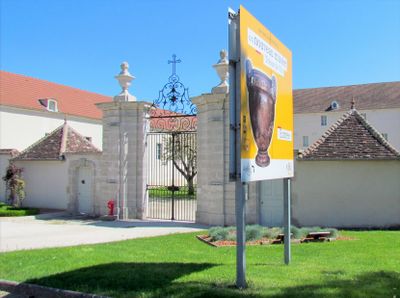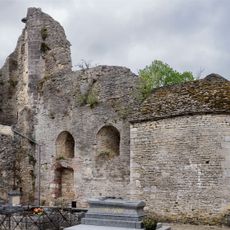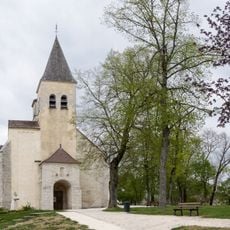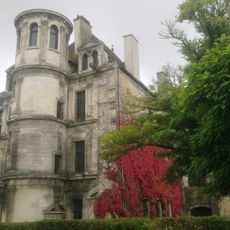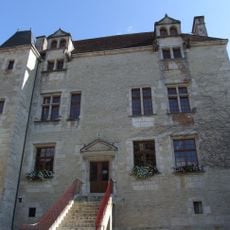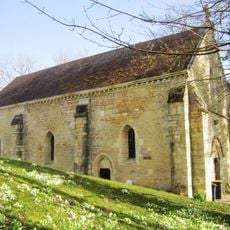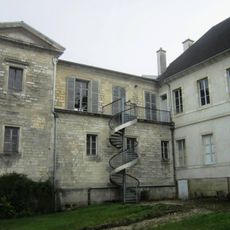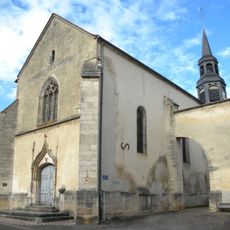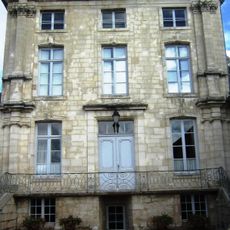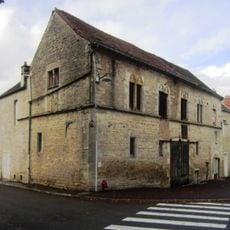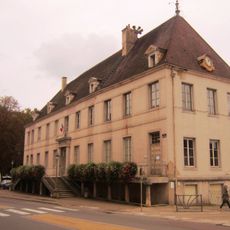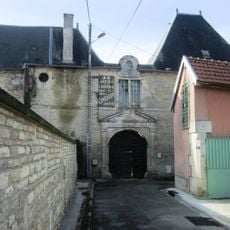
Musée du Pays châtillonnais, Archaeological museum in Châtillon-sur-Seine, France.
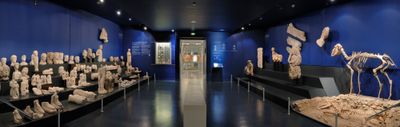
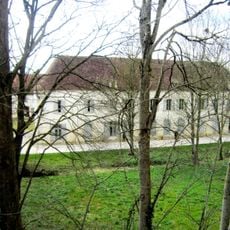
The museum houses archaeological collections from prehistoric and medieval times spread across about 2,000 square meters within a converted abbey building. The display rooms are organized to show fine crafted objects, pottery, and metalwork that trace settlement patterns in the region.
The institution was founded in 1882 by Châtillon's Archaeological and Historical Society and gained international attention after the 1953 discovery of the Lady of Vix burial. This spectacular find from a Celtic grave demonstrated the region's importance as a center of ancient trade networks.
The collections show Celtic objects that reveal how Gallic and Greek worlds connected through trade and cultural exchange. Walking through the rooms, you can sense the relationships these ancient peoples maintained with distant lands.
The museum is open Wednesday through Monday from 10 AM to 5:30 PM, with multimedia guides available to help you navigate the displays. The building sits in a walkable location and offers a comfortable environment for exploring at your own pace.
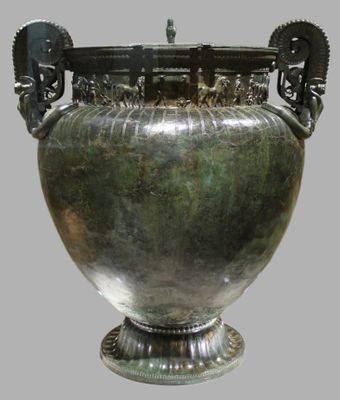
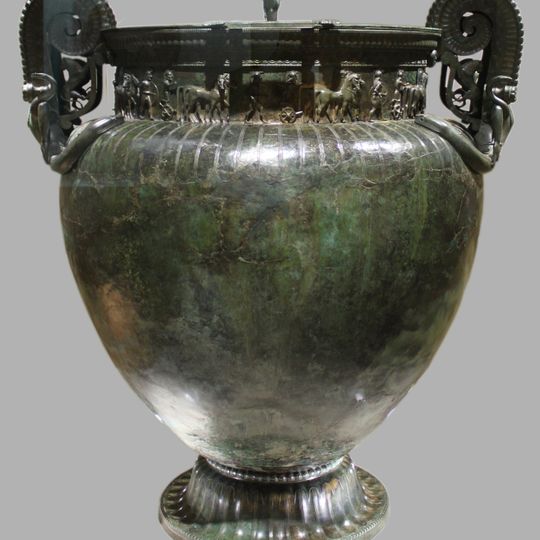
The collection includes one of the oldest and largest ancient Greek bronze vessels ever discovered, standing about 1.64 meters (5 feet 4 inches) tall. This massive krater is striking because it reveals how distant ancient worlds were linked through early trade routes.
The community of curious travelers
AroundUs brings together thousands of curated places, local tips, and hidden gems, enriched daily by 92,154 contributors worldwide.