History of Limerick, city in Munster, Ireland
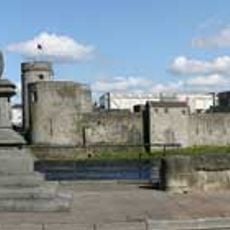
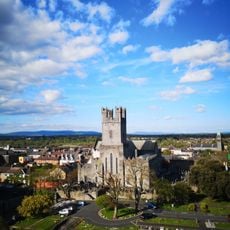
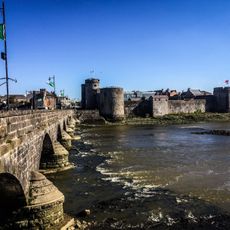
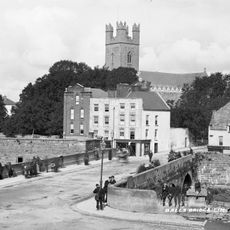
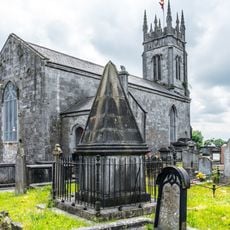
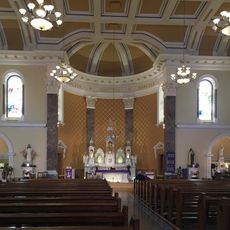
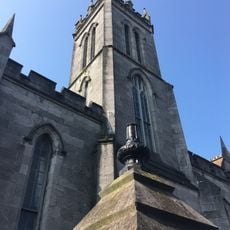
Limerick is a city with a history of nearly 1,100 years, founded by Vikings who chose the island between the Shannon and Abbey Rivers to establish a trading post. Today the city shows different architectural styles from medieval times to the modern era, including St. Mary's Cathedral from the 12th century and King John's Castle built around 1200.
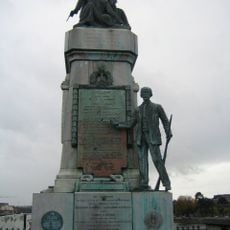
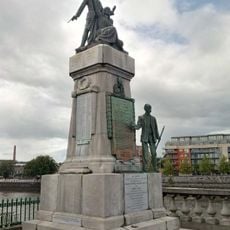
Vikings founded Limerick in 922 as a trading and craft center on a fortified island, but various groups controlled the city over centuries. After the Normans arrived in the 12th century, a series of four major sieges in the 17th century followed, ending with the Treaty of Limerick in 1691 that marked a turning point in Irish history.
Limerick's name comes from the Irish word meaning the area along the Shannon River. The city is also connected to the five-line humorous poem form that started in the 18th century and relates to local poets from nearby Croom.
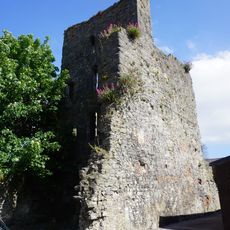
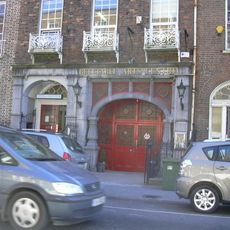
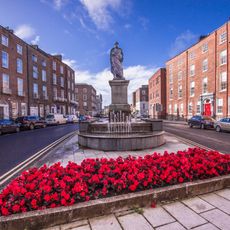
The best way to understand Limerick's history is to walk through the old town on King's Island, where most historic buildings like the cathedral and castle stand side by side. In the southern quarters like Newtown Pery you can see Georgian architecture from the 18th century, showing how the city expanded beyond its original boundaries.
After a rebellion in 1919, the city was declared an independent area by workers for two weeks, an event known as the Limerick Soviet and one of the rare examples of a worker's revolution in Ireland. This brief moment of self-rule is little remembered today but is noted in local labor movement history.
The community of curious travelers
AroundUs brings together thousands of curated places, local tips, and hidden gems, enriched daily by 91,863 contributors worldwide.