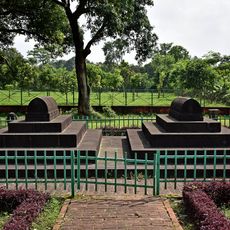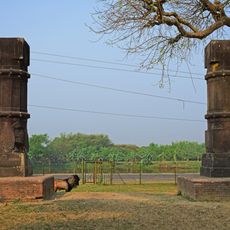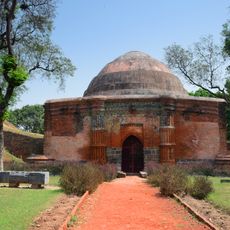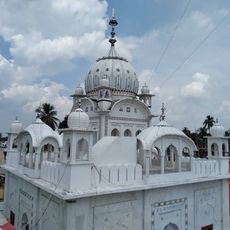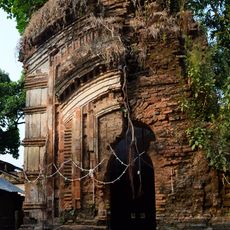
Jagjivanpur, Archaeological site and State Protected Monument in Habibpur, India.
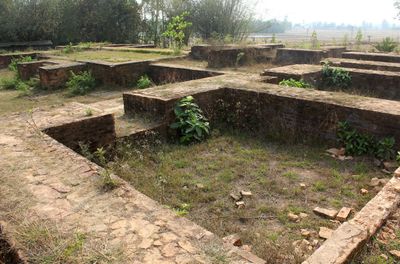
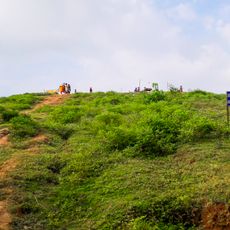
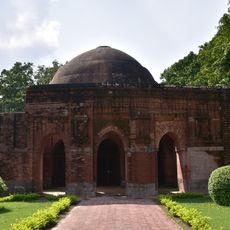
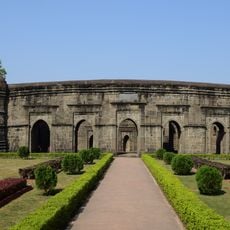
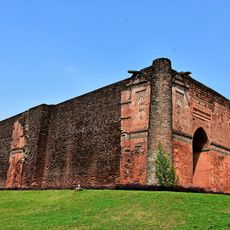
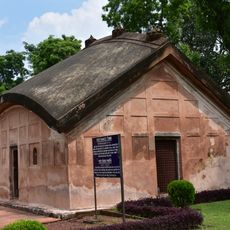
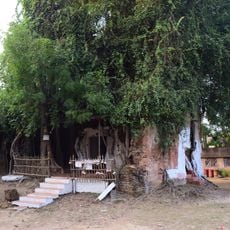
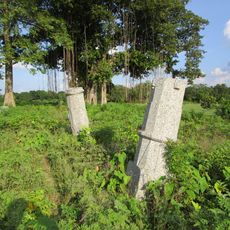
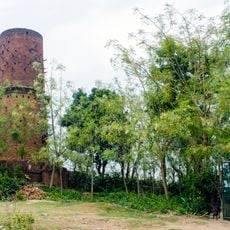
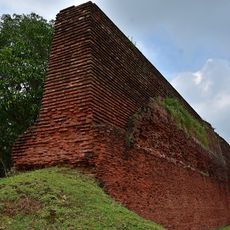
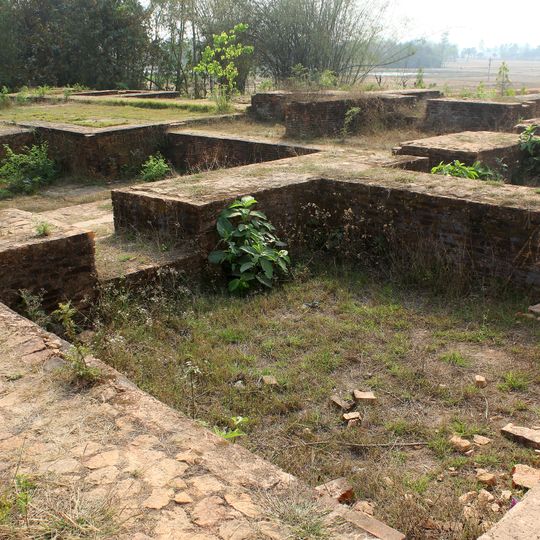
Jagjivanpur is an archaeological site in Habibpur featuring multiple elevated earthen mounds, including the Tulabhita mound which rises to about 5 meters in height. Excavations have revealed Buddhist structures, stupas, and various ancient artifacts scattered across the grounds.
This site functioned as a Buddhist monastery beginning in the 9th century and was documented through a copper plate inscription discovered in 1987. That inscription provided the first evidence proving the existence of Pala emperor Mahendrapaladeva and recorded his land grants.
This location was once a significant Buddhist monastery where monks lived, meditated, and performed ceremonies in dedicated spaces. Visitors walking through the site can still sense the spiritual purpose that shaped how the structures were arranged and used.
Many discoveries from this location are housed at the State Archaeological Museum in Behala, Kolkata, so combining a visit here with a museum trip can provide fuller context. The site itself is located within a local community area, so planning your visit beforehand will help with access and orientation.
Among the excavated remains is a Buddhist stupa that shows clear evidence of an internal hollow chamber, revealing how ancient builders designed these sacred structures internally. This feature offers insight into construction techniques that are often overlooked by casual visitors.
The community of curious travelers
AroundUs brings together thousands of curated places, local tips, and hidden gems, enriched daily by 90,754 contributors worldwide.