Jama Masjid, Fatehpur Sikri, Congregational mosque in Fatehpur Sikri, India
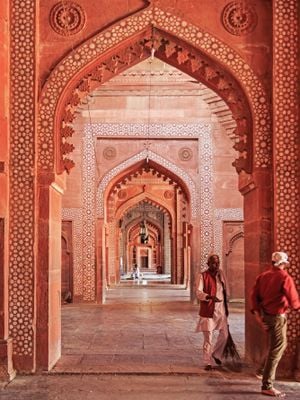
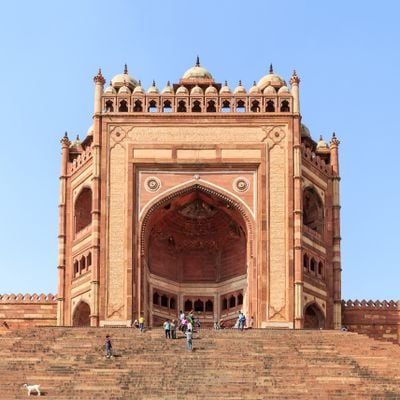
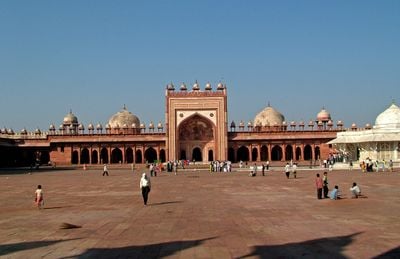
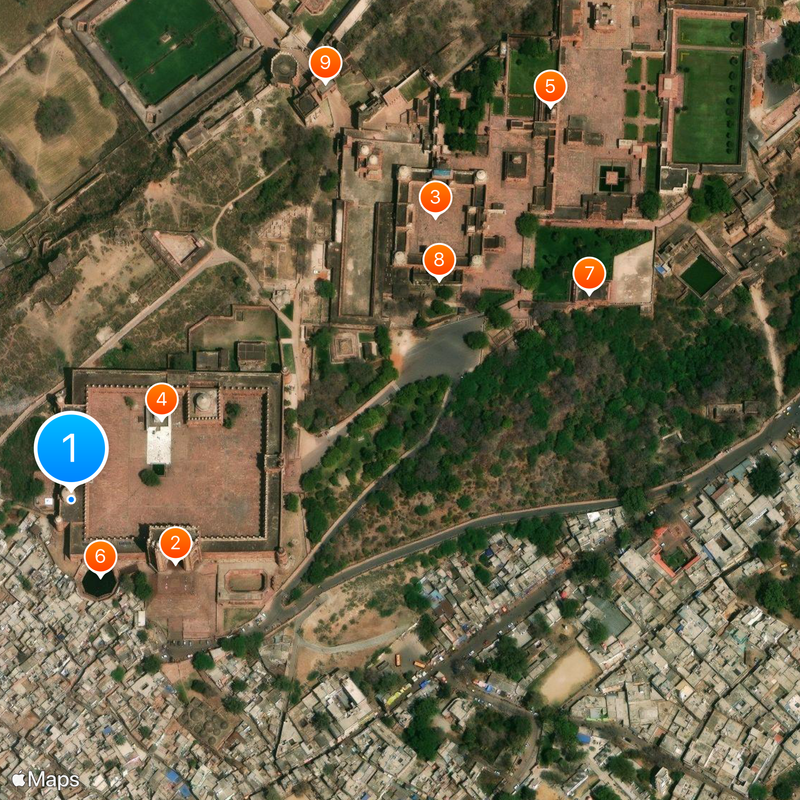
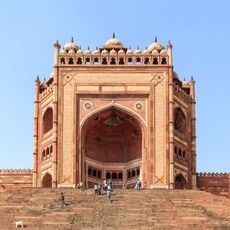
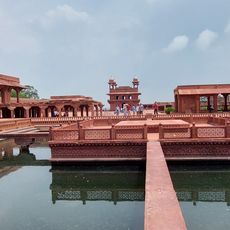
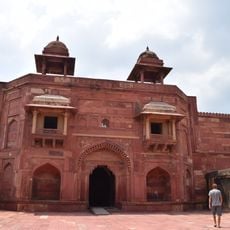
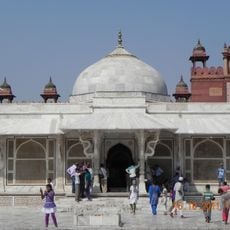
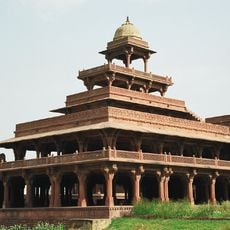
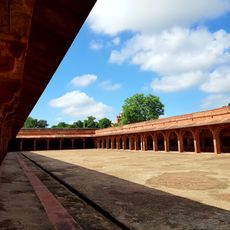
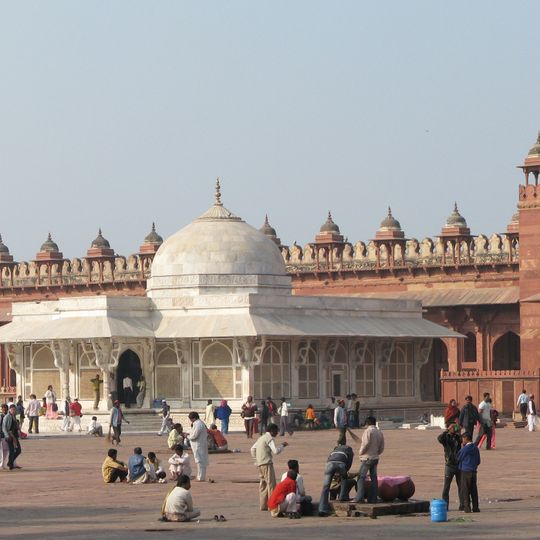
Jama Masjid in Fatehpur Sikri is a red sandstone mosque standing at the highest point of the abandoned city. The complex has a large courtyard with washing fountains and several entrance gates leading to the main prayer area.
Emperor Akbar built this mosque between 1571 and 1574 as part of his new capital city, making it the largest mosque in the Mughal Empire. The city was later abandoned, and the mosque is now part of a UNESCO World Heritage site.
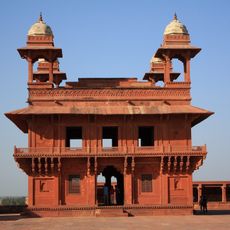
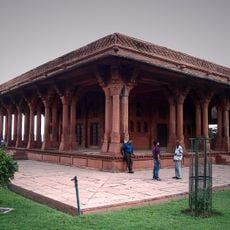
The mosque shows architectural features from Islamic, Hindu, and Jain traditions that came together under Mughal rule. This mixing of building styles appears in the columns, arches, and decorative patterns visible today.
The complex is easy to explore on foot, with clear paths through the courtyard and to the prayer area. Visitors should wear appropriate clothing and be aware that some areas may be restricted during certain prayer times.
The eastern gate, the Badshahi Darwaza, was once the personal entrance for Emperor Akbar and still bears intricately cut mosaics today. This rare decoration hints at the royal importance of the place.
The community of curious travelers
AroundUs brings together thousands of curated places, local tips, and hidden gems, enriched daily by 92,353 contributors worldwide.