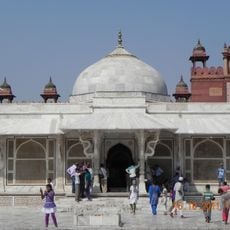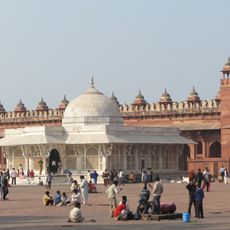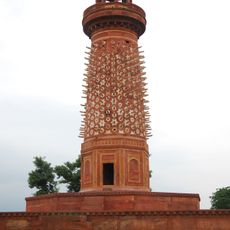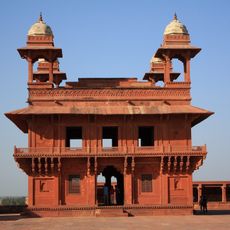
Panch Mahal, Palace and Monument of National Importance in Fatehpur Sikri, India
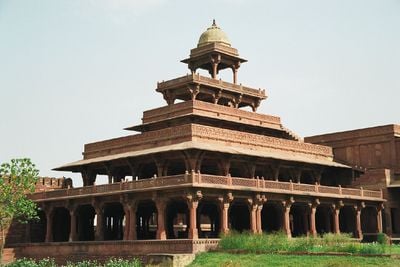
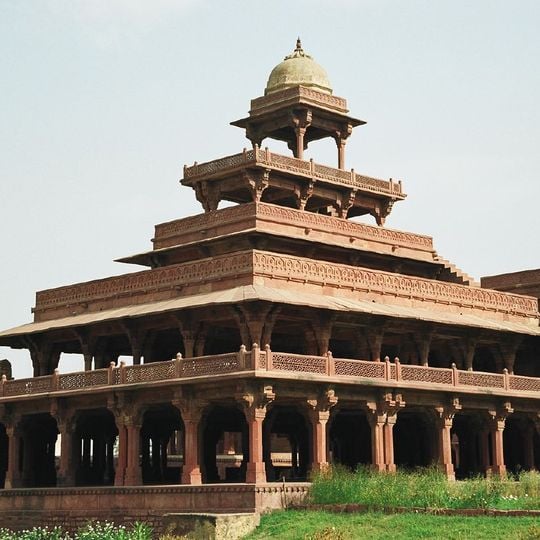
The Panch Mahal is a five-story palace supported by 176 columns that decrease in number as they rise. The ground floor contains 84 intricately carved pillars, while the upper levels become increasingly open and airy.
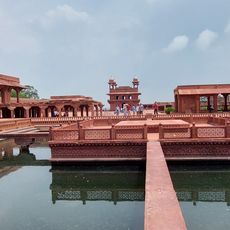
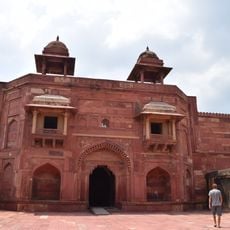
The palace was built in the 16th century under Emperor Akbar as part of the Fatehpur Sikri complex. It stood near the women's quarters of the royal court.
The pillars display Persian, Hindu, and Jain architectural elements through their carved brackets and decorative patterns. This blend reflects the religious diversity that was valued in Akbar's court.
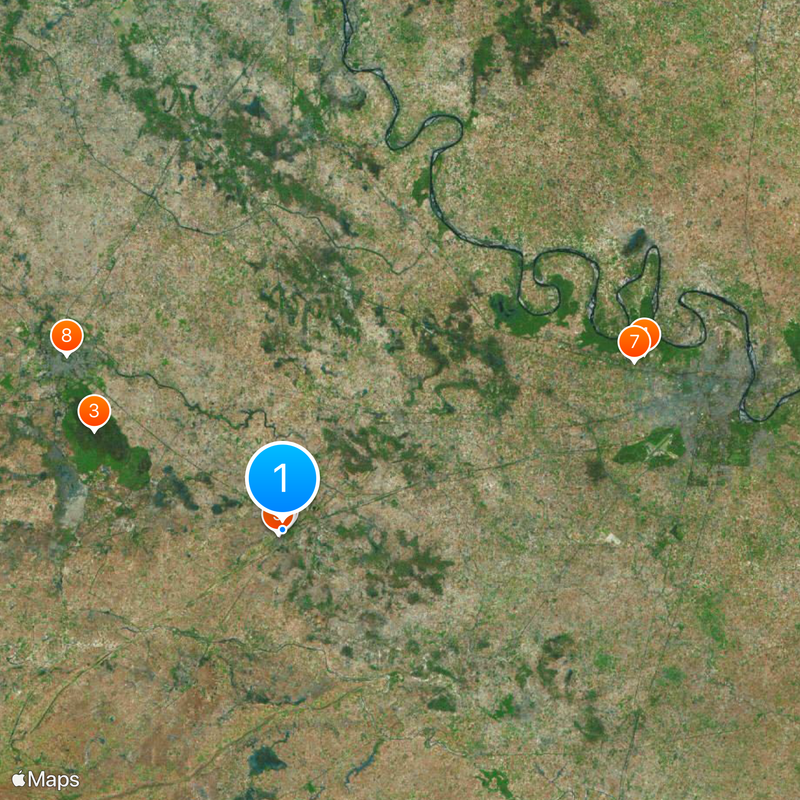
Access is available daily with straightforward entry rules for Indian visitors and international tourists. The grounds are open-air, allowing exploration of the structure from multiple vantage points.
Stone screens between the columns allowed women of the royal household to watch the happenings below while remaining unseen. This architectural feature created a discreet way for them to observe court activities.
The community of curious travelers
AroundUs brings together thousands of curated places, local tips, and hidden gems, enriched daily by 91,795 contributors worldwide.