Jama Masjid, Monument of National Importance in Agra, India
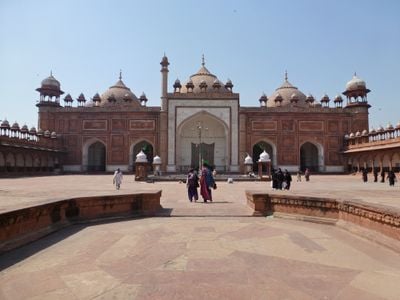
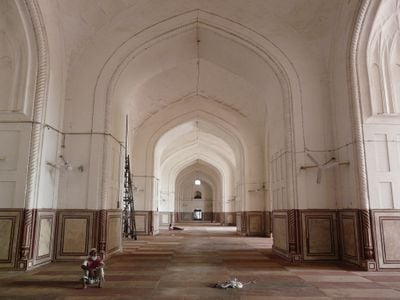
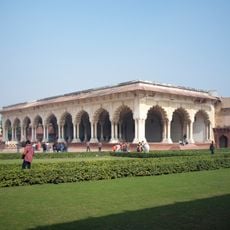
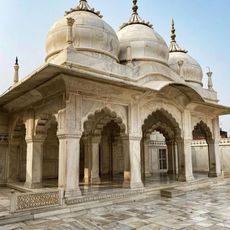
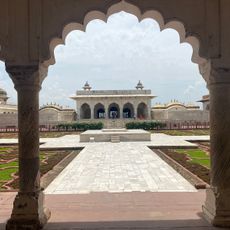
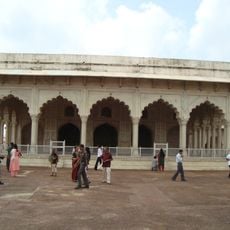
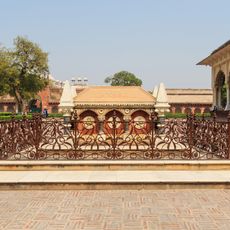
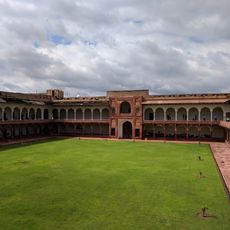
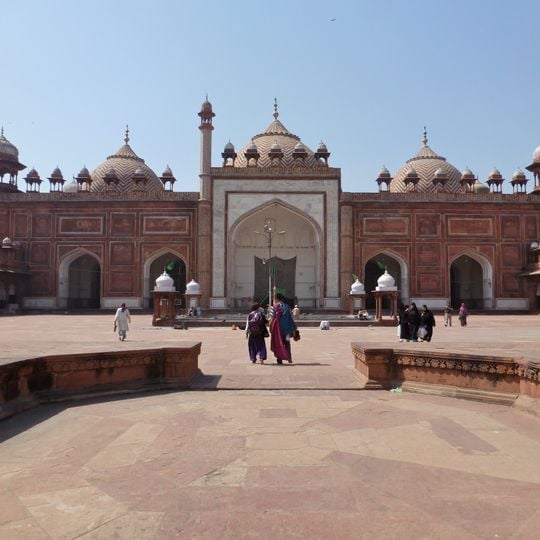
Jama Masjid is a mosque in Agra built on an elevated platform with two minarets and a large open courtyard surrounded by covered arcades. The prayer hall sits behind the courtyard, and the entire complex shows the balanced layout typical of Mughal religious buildings.
The mosque was built between 1650 and 1656 under the patronage of Emperor Shah Jahan and dedicated to his daughter Jahanara Begum. This period saw major construction activity across the region as the Mughal empire commissioned numerous important structures.
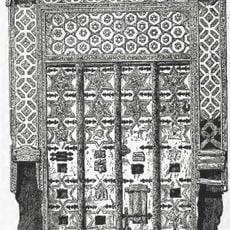
Arabic calligraphy decorates the main entrances and walls, reflecting Islamic traditions and Mughal architectural style that shaped the region. These inscriptions remain visible today and show the religious importance that the place held and continues to hold.
Access to the main level is via a series of steps from the street below, offering views of the entire complex from the entrance area. Visitors should dress modestly and note that the space may be quieter during prayer times throughout the day.
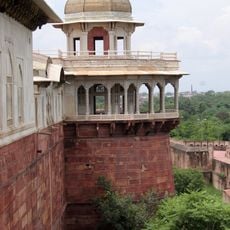
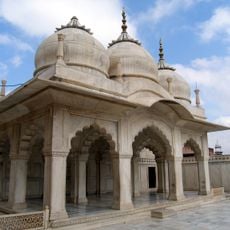
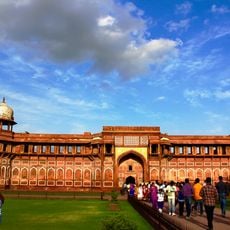
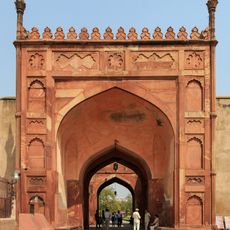
The structure was built primarily from red sandstone with white marble used as decorative accents throughout. This choice of materials creates a striking visual contrast that becomes especially noticeable when sunlight hits the surfaces.
The community of curious travelers
AroundUs brings together thousands of curated places, local tips, and hidden gems, enriched daily by 92,001 contributors worldwide.