Kalimpong district, Administrative district in West Bengal, India
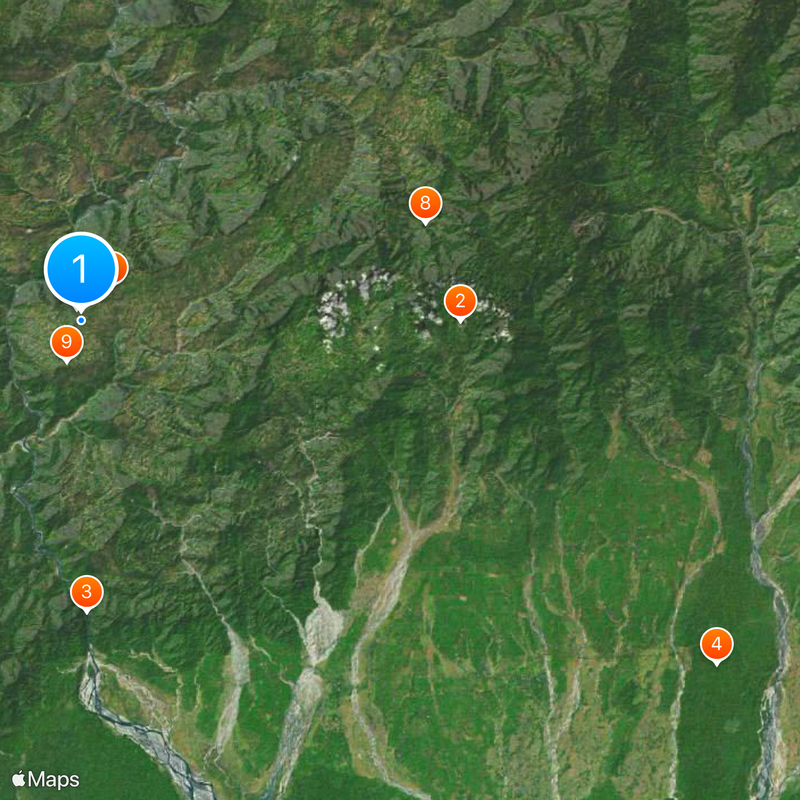
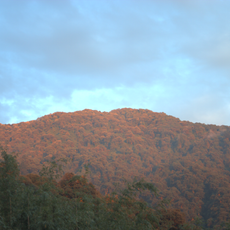
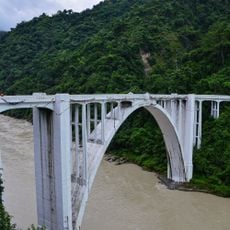
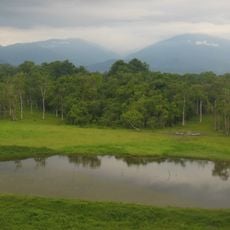
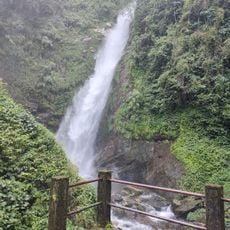
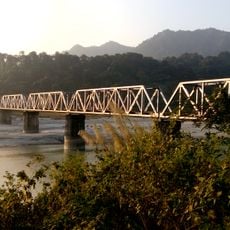
Kalimpong district sits in the Himalayan foothills and is marked by mountain ranges, valleys, and the Teesta River flowing through its terrain. The landscape displays steep slopes, dense vegetation, and water channels that define the region's natural character.
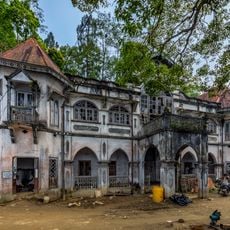
The region came under British control through the Treaty of Sinchula in 1865 after previously belonging to Sikkim. This agreement, which followed the conflict between Britain and Bhutan, permanently altered the area's political status.
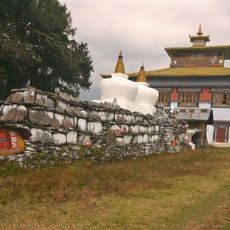
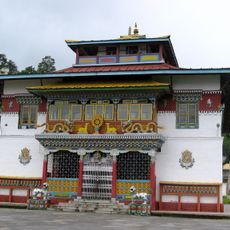
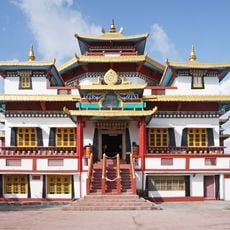
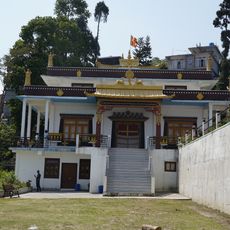
The Lepcha, Bhutia, and Nepali communities shape daily life through their festivals, monasteries, and social gatherings that visitors can witness throughout the district. Their distinct traditions remain visible in local practices and the way people celebrate seasonal events.
The climate is temperate with mild summers and cold winters, making the area accessible for activities throughout the year. Visitors should prepare for varying weather conditions since elevation significantly affects temperatures across different parts of the district.
The district has become known for growing orchids and flowering plants, with many nurseries producing and selling Himalayan bulbs across the region. This focus on floriculture shapes the local economy and creates distinctive planted landscapes throughout the area.
The community of curious travelers
AroundUs brings together thousands of curated places, local tips, and hidden gems, enriched daily by 90,825 contributors worldwide.