Scladina, Archaeological show cave in Sclayn, Belgium.
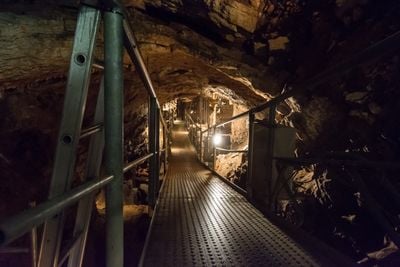
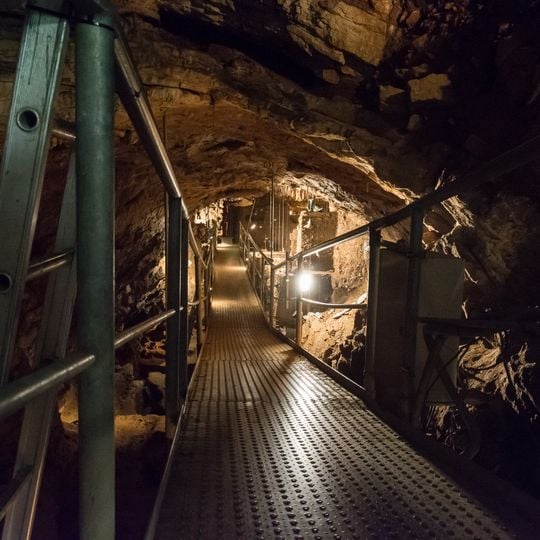
Scladina is a karst cave in the hills of Andenne, Belgium, with several underground chambers and natural corridors that contain geological formations and exposed archaeological layers. It is listed as an exceptional heritage property of Wallonia and also functions as a show cave open to the public.
Excavations started in 1978 and showed that humans occupied this spot across a very long stretch of time reaching back hundreds of thousands of years. A discovery made in 1993 provided key evidence about early human groups in Europe and how they related to later populations.
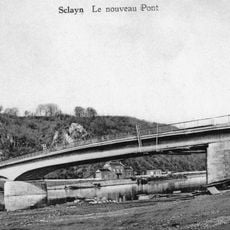
The name Scladina comes from the nearby village of Sclayn, which still exists a short distance away. On guided tours, visitors can observe exposed archaeological layers that show how people used and returned to this space over long periods.
The cave is accessible through guided tours that run on a regular schedule and are available in several languages. Wear shoes with a good grip because parts of the path underground can be damp and slippery.
The remains found in 1993 belonged to a child, and scientists were able to extract genetic material from them that showed a direct link to later European populations. This makes the find one of the few physical records connecting early humans to people living in Europe today.
The community of curious travelers
AroundUs brings together thousands of curated places, local tips, and hidden gems, enriched daily by 92,411 contributors worldwide.