Abitibi gold belt, Geological formation in Ontario, Canada
The Abitibi gold belt is a geological formation in Ontario stretching across 1,000 kilometers through volcanic and sedimentary rock layers from ancient times. These old rock formations are the foundation for numerous gold deposits located far beneath the surface.
Gold discoveries in the early 1900s transformed the region into a mining center, with the Porcupine Gold Rush of 1909 leading to the founding of numerous settlements. These discoveries established the foundation for the long-term development of communities tied to mining operations.
Mining communities along the belt developed their identities through mineral extraction, with towns like Timmins emerging from the Porcupine Gold Rush and local traditions centered on resource work still visible in everyday life.
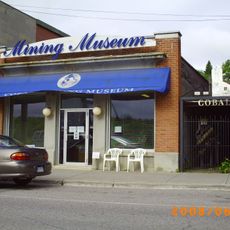
The belt is a large region best explored by car, with towns like Timmins serving as starting points for exploring the area. Visitors should note that access to active mining sites is restricted and most information is available in local museums.
The region holds eleven gold deposits each exceeding 100 tonnes, including the Hollinger-McIntyre deposits that rank among the world's largest gold reserves. This exceptional concentration of mineral wealth in one location makes it one of the most important gold-bearing areas globally.
The community of curious travelers
AroundUs brings together thousands of curated places, local tips, and hidden gems, enriched daily by 91,003 contributors worldwide.