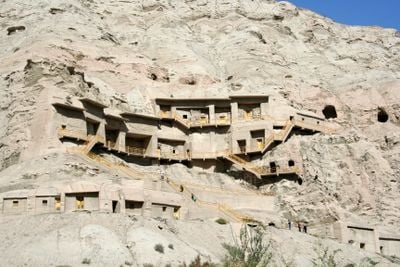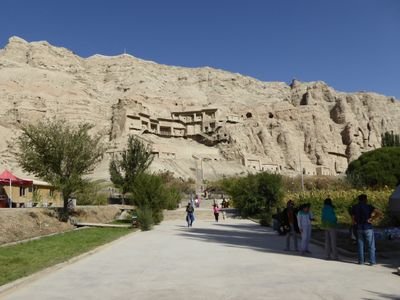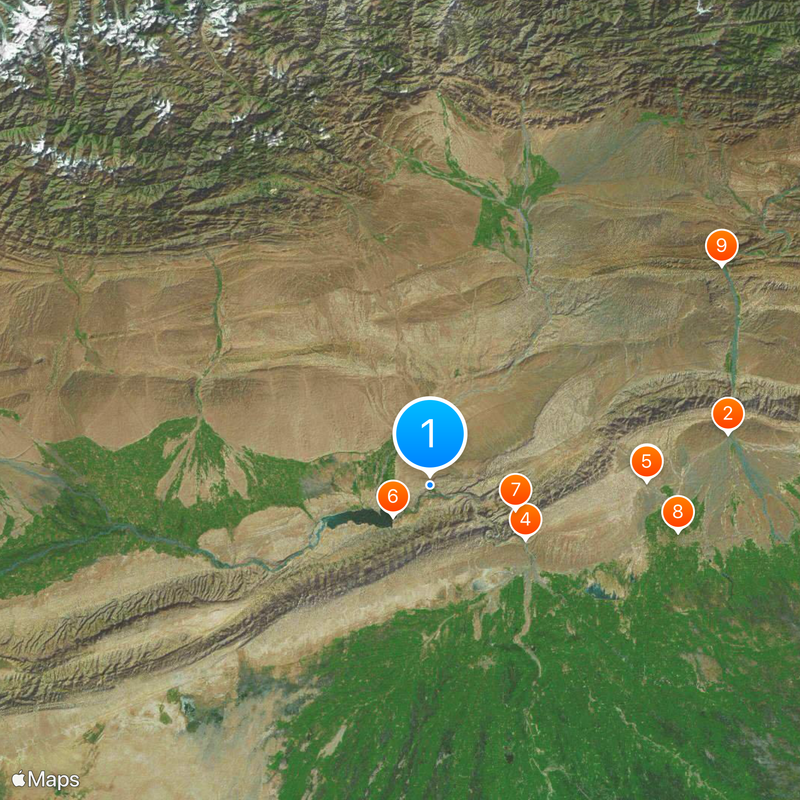
Kizil Caves, Buddhist cave complex in Xinjiang, China.
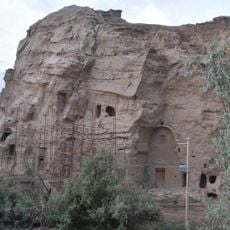
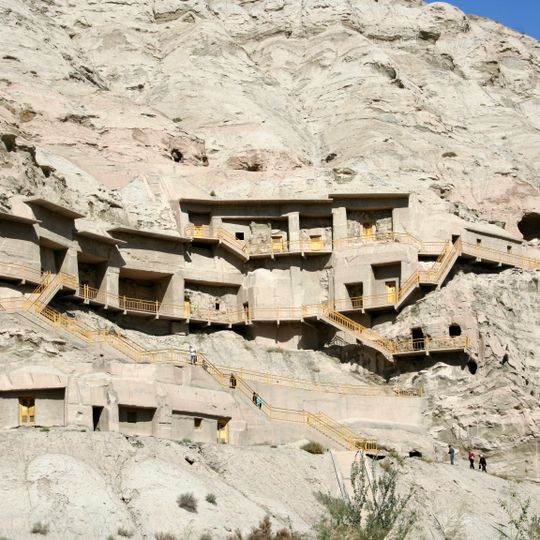
The Kizil Caves are a Buddhist cave complex stretching more than two kilometers along the northern bank of the Muzat River in Xinjiang Province. The site contains more than two hundred temples carved into the rock with varying sizes and shapes.
This cave complex developed between the 3rd and 8th centuries and represents one of the earliest major Buddhist cave systems in China. Its growth over several centuries shows how Buddhism spread and took root in this region of the country.
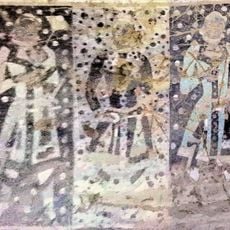
The wall paintings show scenes from Buddha's life in artistic styles that traveled from the west to reach China. These images tell religious stories that visitors can still recognize today when exploring the caves.
Visitors enter the caves in small groups to protect the ancient murals, and can view replicas to explore certain chambers without risk. Entering in groups also helps develop a better understanding of the historical site.
The caves use abundant blue pigments, some made from precious lapis lazuli sourced from Afghanistan, revealing deep trading connections. These rare materials tell of distant cultural contacts along the Silk Road.
The community of curious travelers
AroundUs brings together thousands of curated places, local tips, and hidden gems, enriched daily by 91,679 contributors worldwide.