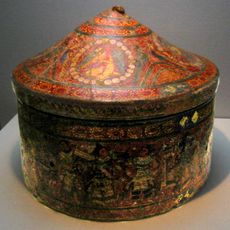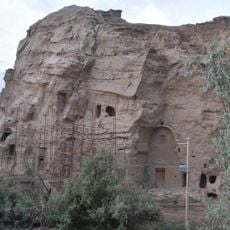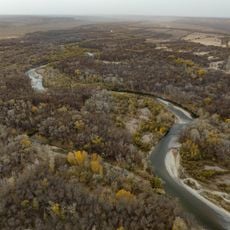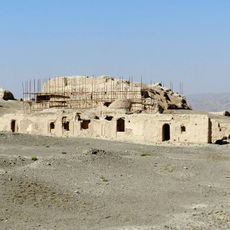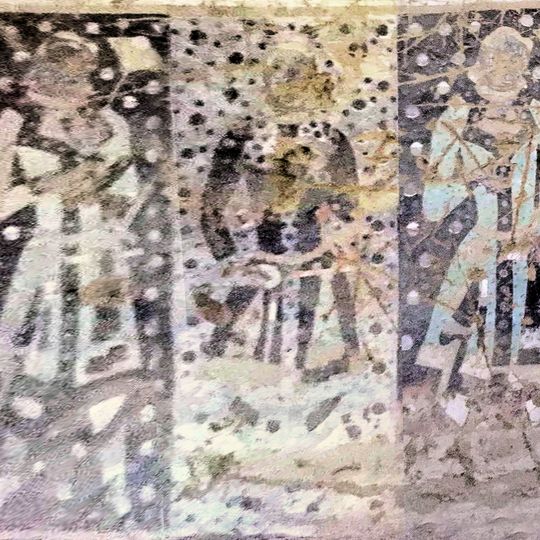
Kizilgaha caves, Buddhist temple complex in Kuqa, China
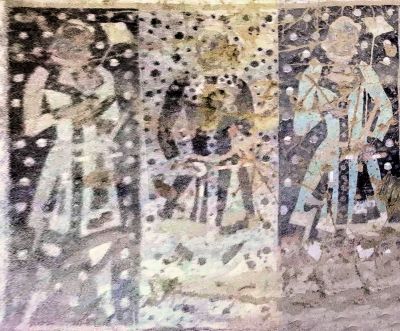
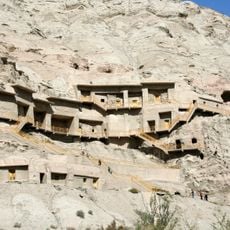
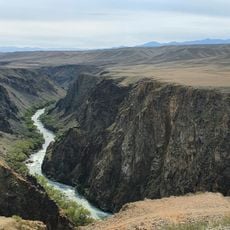
Kizilgaha caves form a Buddhist complex with dozens of chambers carved into riverside cliffs, containing ancient murals and architectural features. The network includes spaces of various sizes, from small meditation rooms to larger gathering areas, all decorated with painted surfaces and stone carvings.
These caves were created primarily between the 5th and 9th centuries as a major Buddhist center during the golden age of Silk Road trade. The complex grew over time with new chambers and artworks added during different periods of occupation and use.
The painted walls display scenes of Buddhist teachings and religious ceremonies that reveal how monks lived and worshipped in these spaces. The artwork shows strong influences from different regions, reflecting the crossroads nature of this ancient community.
Access to the caves requires climbing stairs and walking designated pathways carved into and along the cliffs. Guided tours help visitors navigate the complex layout and understand the different sections and their features.
The caves preserve inscriptions in several ancient languages including Tocharian B and Sanskrit that record religious practices and daily life of early Buddhist communities. These linguistic records provide rare insight into how monks from different backgrounds coexisted and communicated at this location.
The community of curious travelers
AroundUs brings together thousands of curated places, local tips, and hidden gems, enriched daily by 91,834 contributors worldwide.