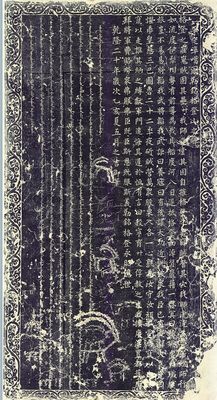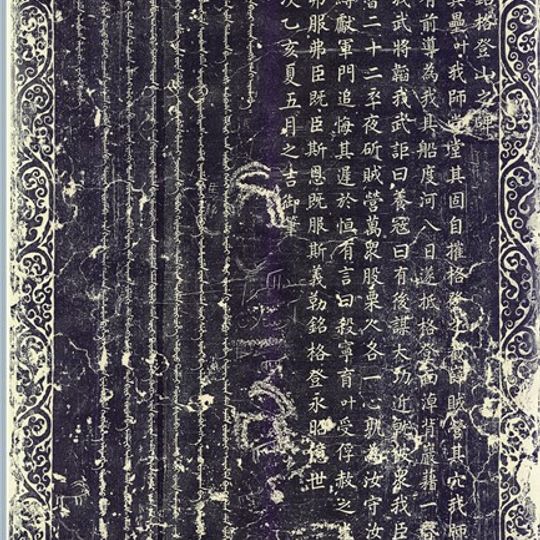
Gedenktafel an die Bezwingung des Khanats der Dsungaren, Stone stele commemorating military victory in Mongolküre, China
This commemorative stone stands in the Gedeng Shan mountains in Xinjiang and bears inscriptions in multiple languages. The carved text documents a major military conquest and the relationships between different peoples during that era.
The stele commemorates the night of 14 May 1755, when Qing officer Ayusi and 22 horsemen raided the Dzungar camp at Gedeng Shan, capturing over 7,000 men and breaking Dawaqi's army. Qianlong ordered the monument; carving began after 1755 and was completed in 1762 under Ili councillor Agui. In 1882, during the Treaty of Ili negotiations, Changshun argued that the stone marked Chinese territory and kept the mountain within China.
The stele's name comes from the Gedeng Shan, which means "back of the skull" in Mongolian. From the time it was erected, officials were sent each spring and autumn to perform sacrifices there, as recorded in the Qinding Huangyu Xiyu Tuzhi. The Chinese text is a four-character rhymed composition by the Qianlong Emperor, and the Manchu, Mongolian and Tibetan versions were translated from it.
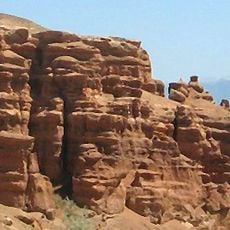
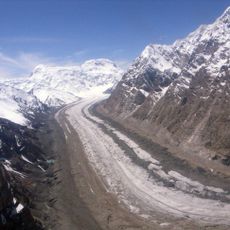
The stele stands on Gedeng Shan at over 1,900 m, about 60 km from Zhaosu county town and roughly 100 m from the Songbai border post, some 200 m from the Sumubai River on the Kazakhstan border. Access is by mountain road; the site is remote and exposed, so sturdy shoes and water are needed.
The stone bears inscriptions in multiple languages, reflecting the multilingual nature of the region during the Qing period. These carved texts make it a rare example of how different peoples communicated and were addressed together.
The community of curious travelers
AroundUs brings together thousands of curated places, local tips, and hidden gems, enriched daily by 93,180 contributors worldwide.