Herzebrock-Clarholz, municipality of Germany
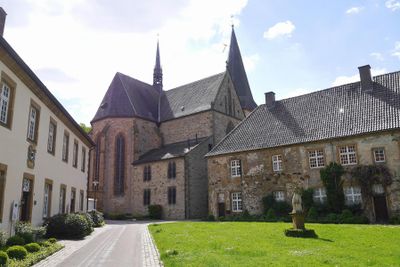
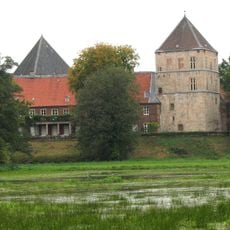
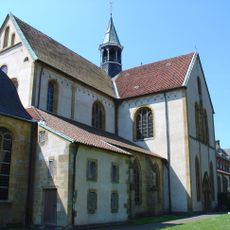
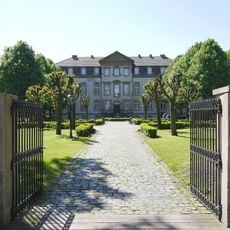
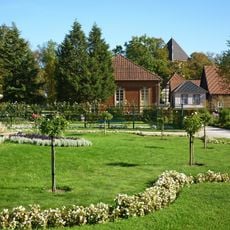
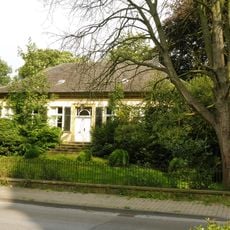
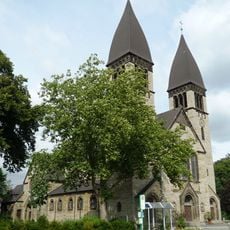
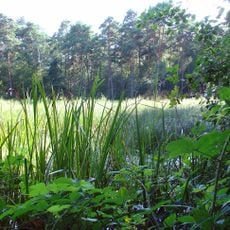
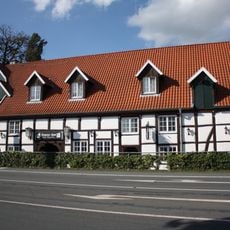
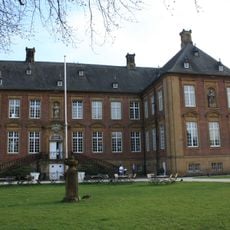
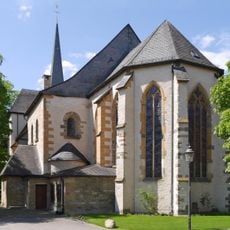
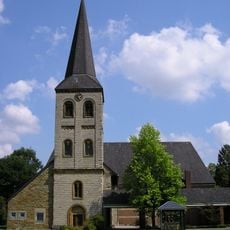
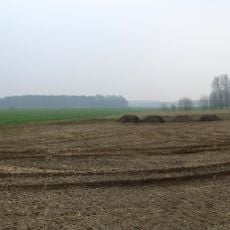
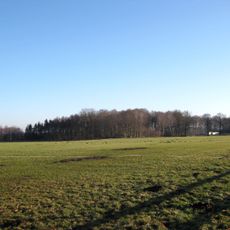
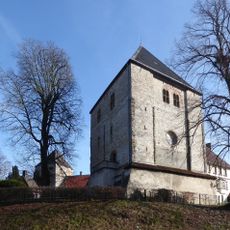
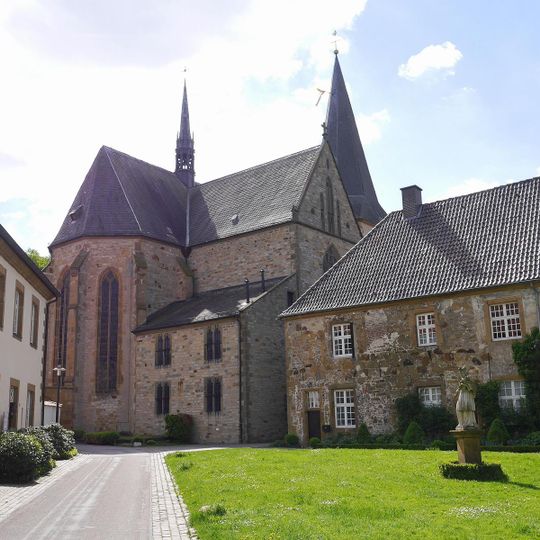
Herzebrock-Clarholz is a small municipality in North Rhine-Westphalia, consisting of two historic settlements with quiet streets, houses with gardens, and open agricultural landscapes. The character is defined by old churches, monasteries, and centuries-old structures scattered throughout the area.
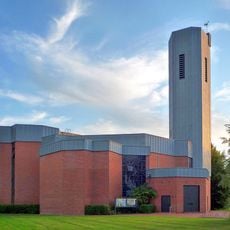
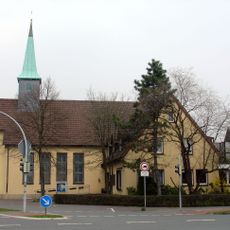
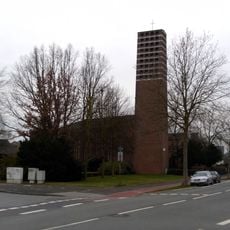
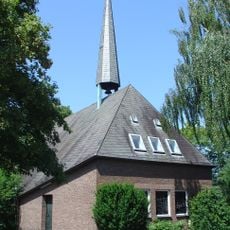
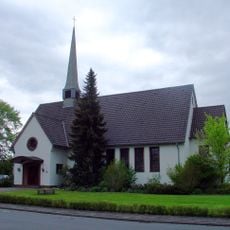
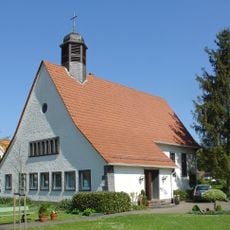
Herzebrock was established around 1313 as a monastic settlement, making it one of the older communities, while Clarholz emerged about 400 years later. Major changes came after World War II when refugees arrived and new Protestant churches were built in both villages in 1952.
Herzebrock-Clarholz is shaped by its deep religious traditions, with churches and monasteries serving as centers of community life. Visitors notice how faith and local gatherings continue to define daily rhythms and social connections today.
This area is best explored on foot or by bicycle, as the streets are quiet and there are many marked cycling routes, especially along the Ems and Lutter rivers. Visitors should plan to view historic buildings in daylight, and note that local museums open only on Sunday afternoons.
The Church of Laurentius was built atop the remains of an ancient Roman basilica, revealing layers of changes accumulated over generations within its walls. This surprising connection to Roman times often goes unnoticed by visitors, making it a hidden archaeological treasure.
The community of curious travelers
AroundUs brings together thousands of curated places, local tips, and hidden gems, enriched daily by 91,121 contributors worldwide.