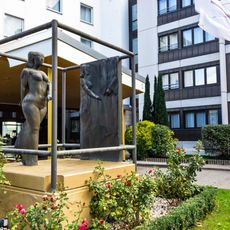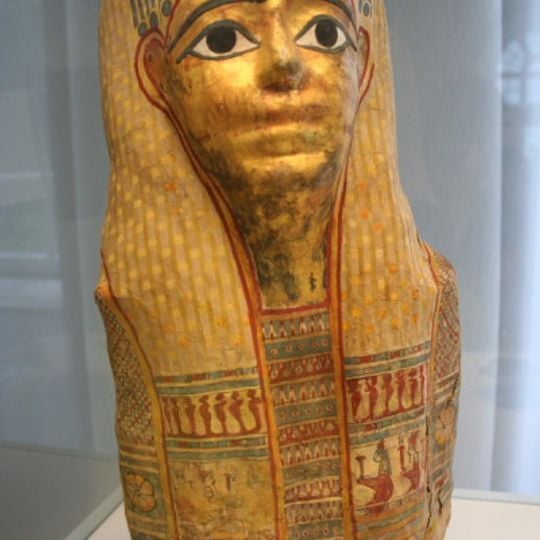
Bonn Egyptian Museum, Ancient Egyptian artifacts museum at University of Bonn, Germany.
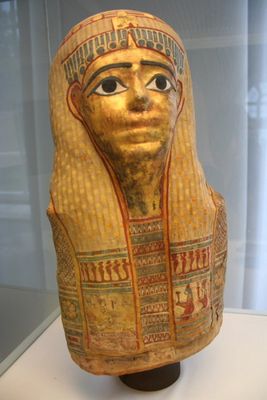
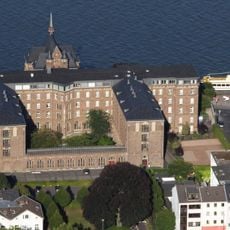
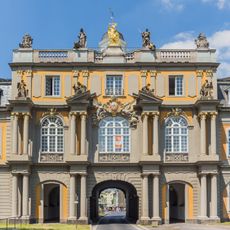
The Bonn Egyptian Museum occupies a renovated former fencing hall of 290 m² on the third floor of building P26 at Poststraße 26. Its permanent exhibition groups ceramics, stone vessels, sculptures, ushabtis and amulets by period and theme, from predynastic times to the Greco-Roman era. A scan of a 6 × 3 m wall cast from the Karnak temple and a display case with a model of Djoser's pyramid stand out.
The first objects were acquired in 1820/21 by theologian Johann Martin Augustin Scholz, who accompanied Heinrich Menu von Minutoli on his Egypt expedition. After the Egyptological seminar was founded in 1897, its first professor, Alfred Wiedemann, obtained donations from excavators, including finds from the Naqada tomb excavated by Flinders Petrie. Large parts of the collection were destroyed in World War II, among them relief fragments from Sahure's pyramid temple and Niuserre's sun sanctuary. Excavations at Qubbet el-Hawa by Elmar Edel from 1955 to 1982 refilled the holdings, and the museum opened to the public on 16 March 2001.
The museum displays objects from its own excavations at Qubbet el-Hawa near Aswan, including clay pots inscribed with early hieratic script and two painted bowls found only at that site. It also shows how private collectors shaped the collection, with donated and loaned pieces ranging from ushabtis to fakes.
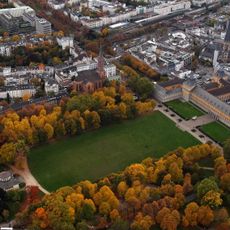
The museum sits within the Bonn University campus and is easily reached on foot, best visited with ample time to examine individual objects. Plan several hours to view the many items carefully and read the explanatory labels at your own pace.
The museum holds uncommon pieces that reveal how Egyptians made and used everyday items, not just religious or royal objects. Such finds offer a more direct sense of personal life among ordinary people in the ancient world.
The community of curious travelers
AroundUs brings together thousands of curated places, local tips, and hidden gems, enriched daily by 94,540 contributors worldwide.