Weida, town in Thuringia, Germany
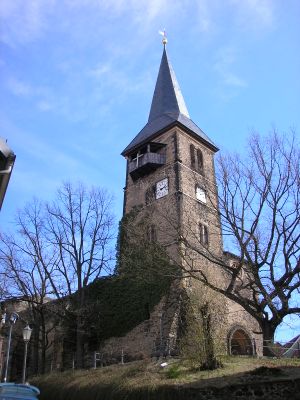
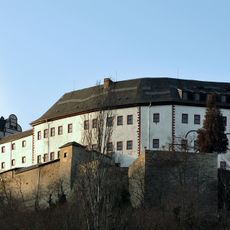
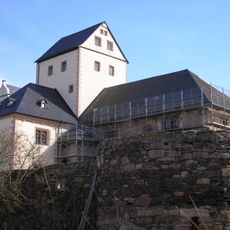
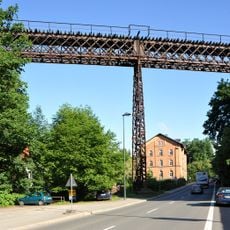
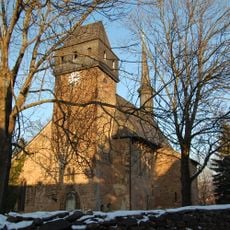
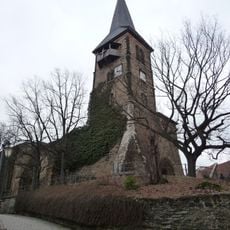
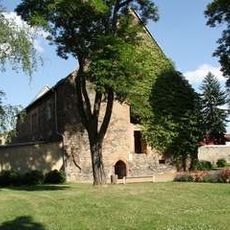
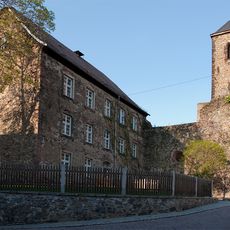
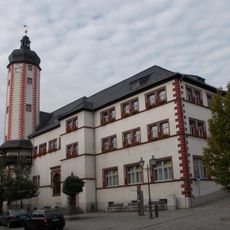
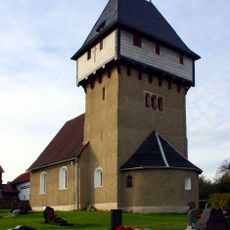
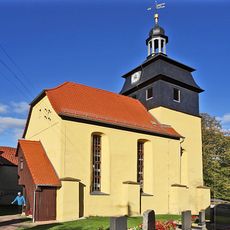
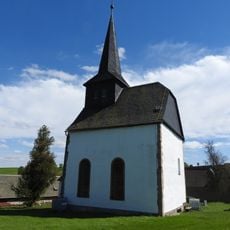
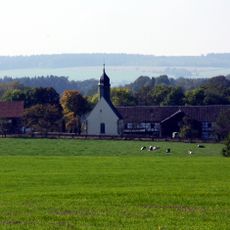
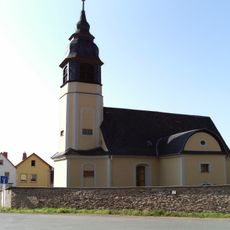
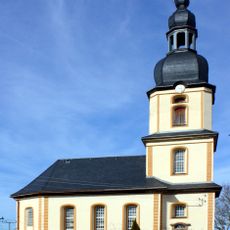
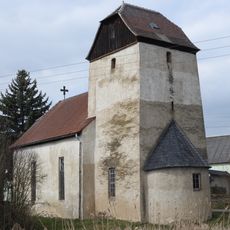
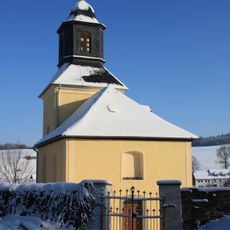
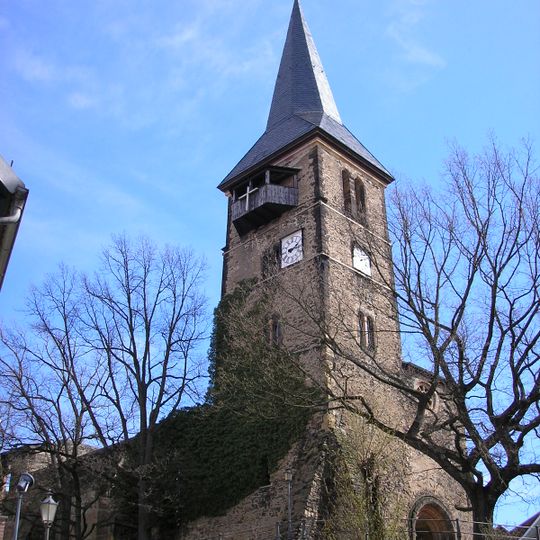
Weida is a small town in the Greiz region of Germany and serves as an administrative municipality with a history spanning over 800 years. The town is dominated by Osterburg, a castle complex from the 12th century, which together with various historic churches, a Renaissance town hall, and old town cores defines the townscape.
The town was founded in the 12th century when Heinrich I built a fortress here from 1163 to 1193, known as "The Firm House of Weida". In the early 15th century, the town lost its influence as the center of Vogtland and came under the rule of the Wettin family and later the Reuss princely line.
The name Weida comes from ancient linguistic roots and means "Cradle of the Vogtland". The town is shaped by its old buildings and streets that still show medieval layouts today, offering visitors a sense of continuity through their walks.
The town is accessible by car via highways A4 and A9 and has a train station called Weida-Mitte for travelers. Visitors can use the tourist information office to get details about hiking routes, cycling paths, and guided tours through the town.
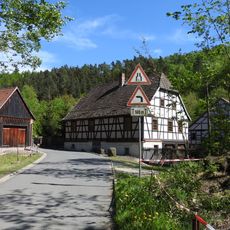
A special site worth visiting is the Friedrich Francke tannery, which has existed since 1844 and produced leather until 1990. Visitors can see the old machinery and craftsmanship techniques that still reflect the town's artisan heritage.
The community of curious travelers
AroundUs brings together thousands of curated places, local tips, and hidden gems, enriched daily by 91,294 contributors worldwide.