Denzlingen, municipality in Baden-Württemberg, Germany
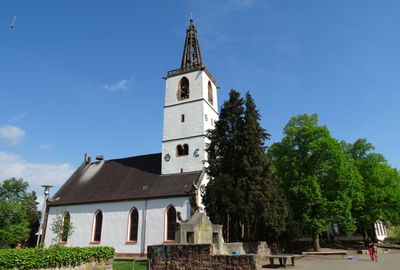
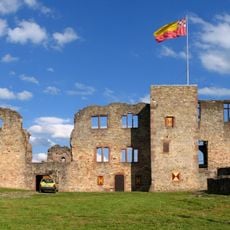
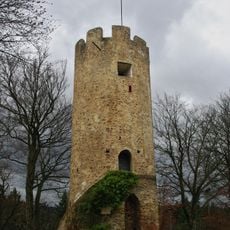
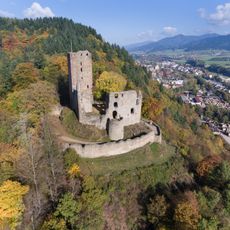
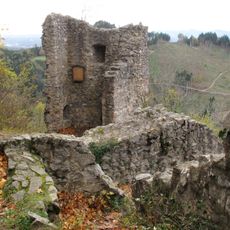
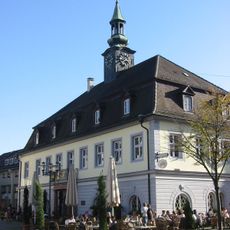
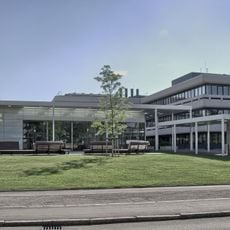
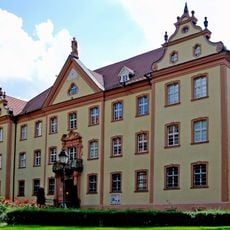
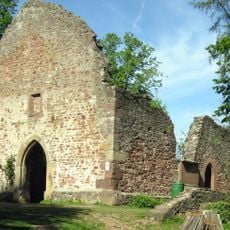
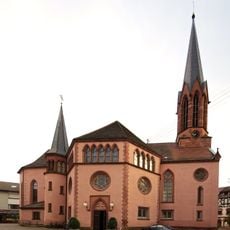
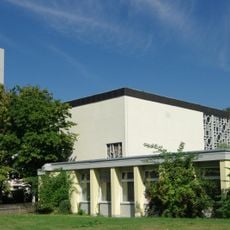
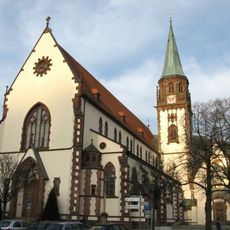
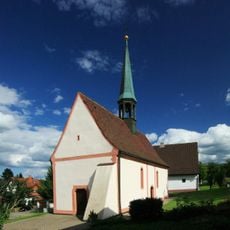
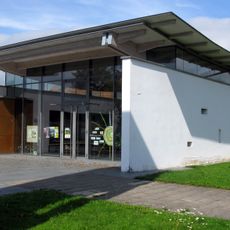
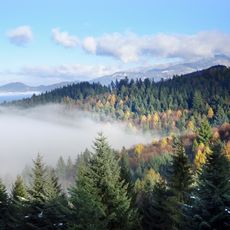
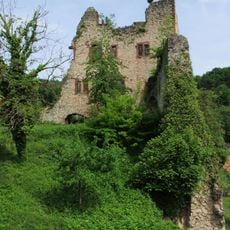
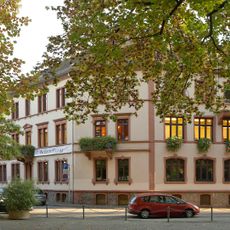
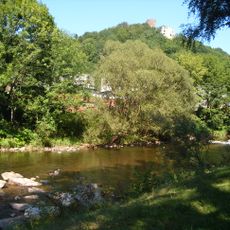
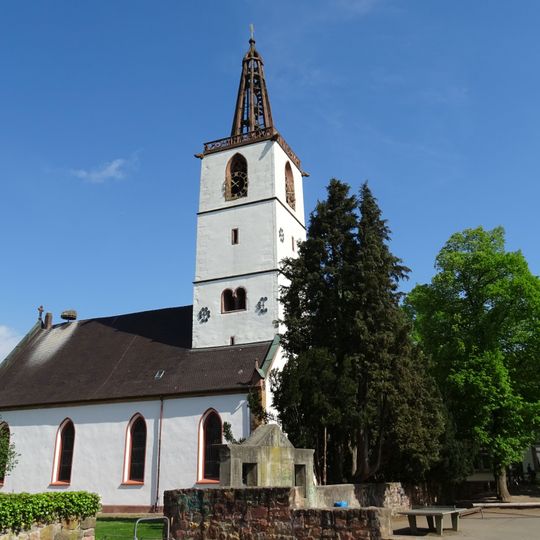
Denzlingen is a small municipality in Germany situated in flat countryside between the Elz and Glotter rivers, with wooded Black Forest hills visible beyond. The town contains historical structures such as the Storchenturm tower, the churches of St. Georg and St. Michael, and the ruins of St. Severins Chapel on Mauracherberg hill, alongside modern facilities like the town hall built in 1996 and the cultural center KuB.
The settlement has medieval roots evident in standing churches and the historic Stapflehues building marked with bakery symbols from 1597, while the community survived the hardships of the Thirty Years War. Development progressed from a purely agricultural place to a modern municipality while maintaining connections to traditional crafts such as milling and viticulture.
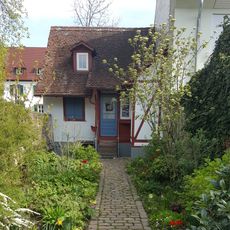
The name Storchenturm comes from the stork, a symbol deeply rooted in local identity and tradition. How residents gather at the river, on squares, and in timber-framed houses reflects an everyday culture centered on community, family connections, and keeping old ways of life alive.
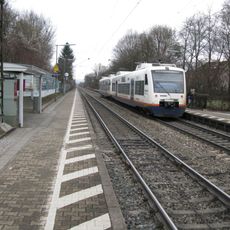
Visitors can reach Freiburg and surrounding regions conveniently by train, as the town has a well-equipped station and bus connections improved since 2014. The town is easily explored on foot or by bicycle with numerous walking and cycling paths leading to Black Forest hills and the nearby Kaiserstuhl, plus swimming and wellness facilities like Mach BLAU for relaxation.
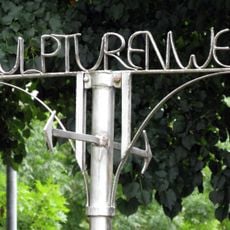
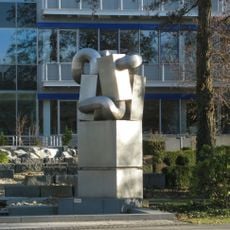
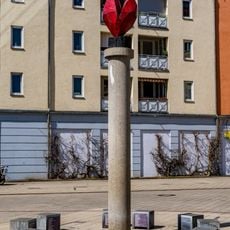
A stork sculpture created by artist Helmut Lutz from Breisach stands directly in front of the old town hall beside the Glotter river, representing a surprisingly personal artistic gesture for such a small place. The story of Stapflehues with its bakery sign from 1597 shows how craft marks and everyday details were preserved across centuries, telling simple human stories.
The community of curious travelers
AroundUs brings together thousands of curated places, local tips, and hidden gems, enriched daily by 91,431 contributors worldwide.