Gleisshammer, Residential district in Nuremberg, Germany
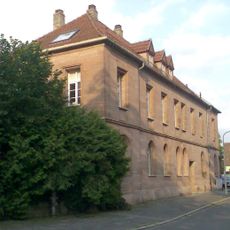
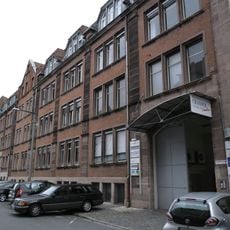
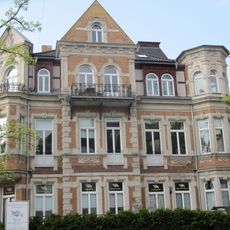
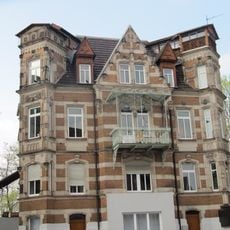
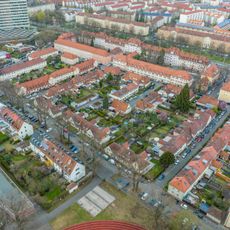
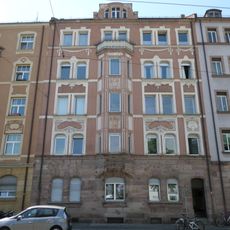
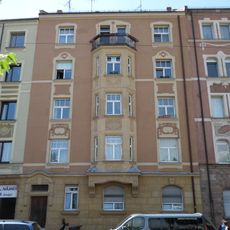
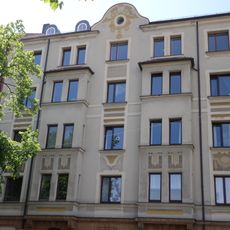
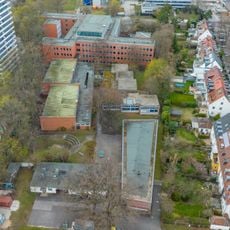
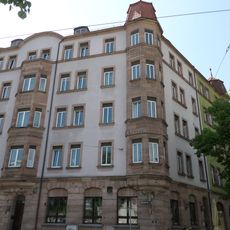
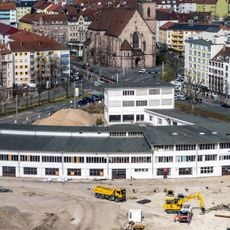
Gleisshammer is a residential district in southeastern Nuremberg composed of four to five-story buildings erected during the 1910s and 1920s. These structures create the visual character that defines the neighborhood today.
The area first appeared in records in 1336 as a hamlet near Zeltnerweiher pond. It became home to an iron forge, one of Nuremberg's earliest industrial works.
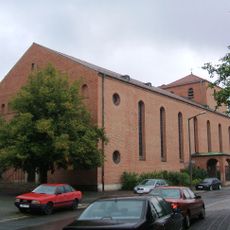
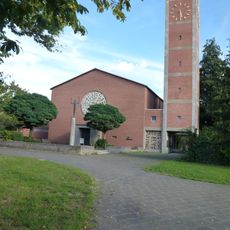
The district reflects two distinct religious communities, with residents worshipping at St. Peter Church and St. Kunigund Church. These congregations continue to shape the social and spiritual life of the neighborhood today.
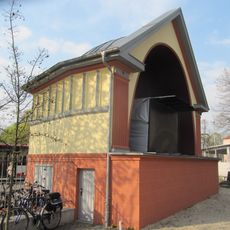
The Nuremberg-Gleisshammer station, open since 1920, links the district to multiple city bus routes and the Nuremberg-Feucht railway line. Visitors can navigate the neighborhood and reach other parts of the city using public transport.
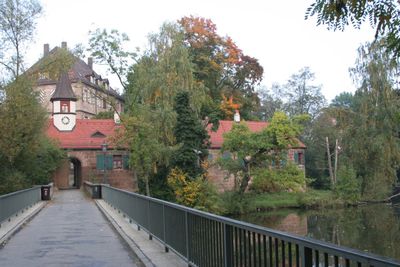
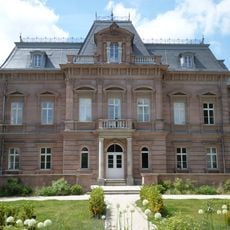
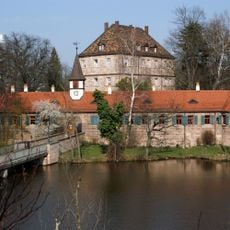
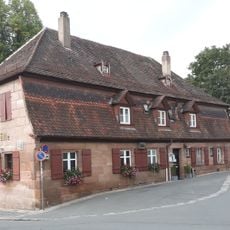
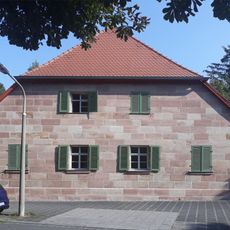
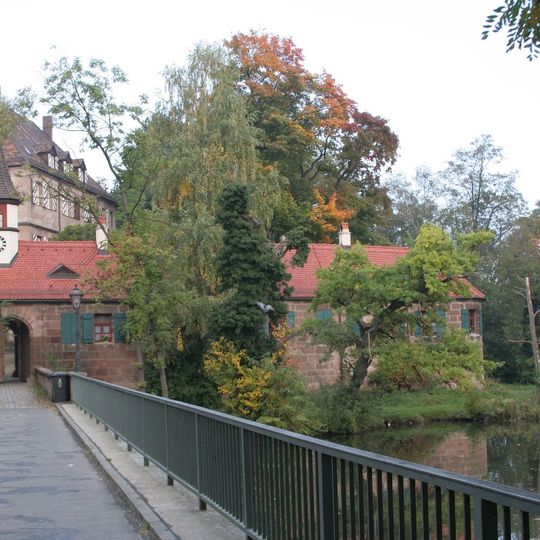
The Zeltnerschloss manor house was built in 1370 to protect a hammer mill operating in the area. Following restoration in 1955, it now houses apartments and cultural spaces.
The community of curious travelers
AroundUs brings together thousands of curated places, local tips, and hidden gems, enriched daily by 91,699 contributors worldwide.