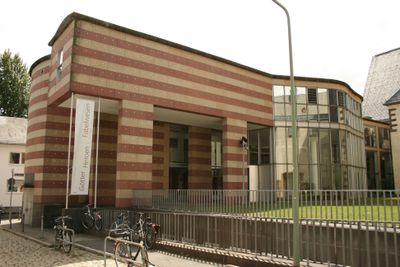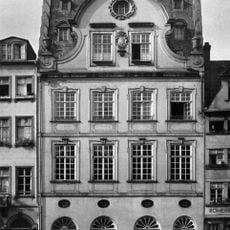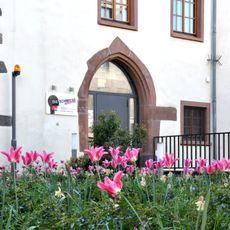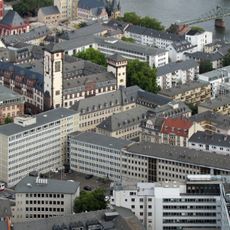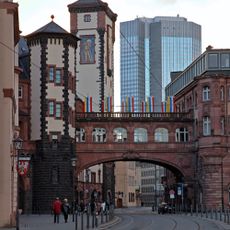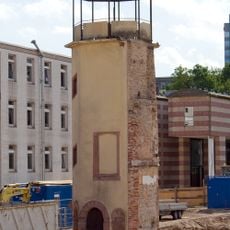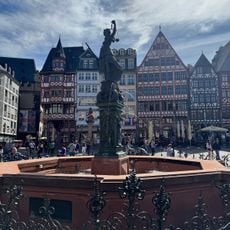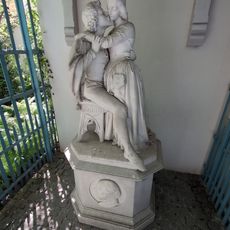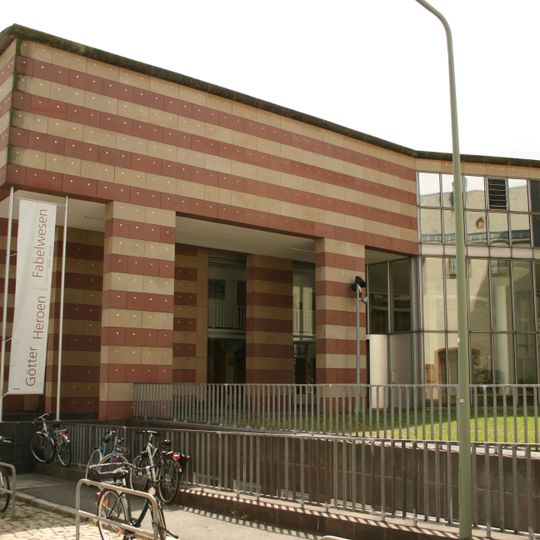
Frankfurt Archaeological Museum, Archaeological museum in Altstadt, Frankfurt, Germany.
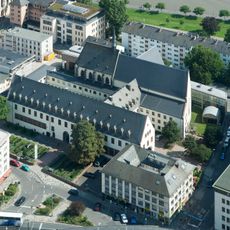
The Frankfurt Archaeological Museum occupies a former Carmelite monastery and displays finds spanning from prehistoric times through the medieval period. The collection encompasses artifacts from different eras and cultures that inhabited this region.
The institution was founded in 1937 when the archaeological collection separated from the Local History Museum. World War II brought severe damage to the building, but the most valuable pieces were rescued and later restored.
The museum's name changed in 2002 from Museum für Vor- und Frühgeschichte. Its collections are shown inside a former Carmelite monastery: prehistoric finds in the church transept, Roman Frankfurt and the city of Nida in the nave, and the early Middle Ages to the Carolingian period in the Annenkapelle. Temporary exhibitions occupy the main transept.
The main entrance is at the corner of Alte Mainzer Gasse and Karmelitergasse, near the Willy-Brandt-Platz U-Bahn station and the Karmeliterkloster tram stop. There is an elevator and an accessible toilet; ring the bell at the staff entrance at Karmelitergasse 1 to use the lift.
The Malergrab from the Okarbener Straße cemetery, shown in the church nave, held 29 paint pots among its grave goods. The set points to a painter's workshop in Roman Nida, the settlement beneath Frankfurt-Heddernheim; the Roman era in the Frankfurt area ran from 83 to 260 AD.
The community of curious travelers
AroundUs brings together thousands of curated places, local tips, and hidden gems, enriched daily by 93,239 contributors worldwide.