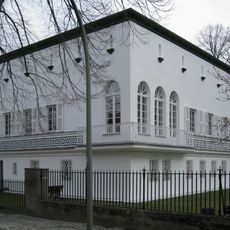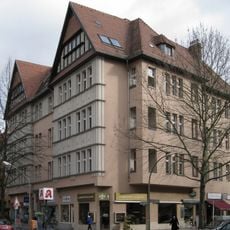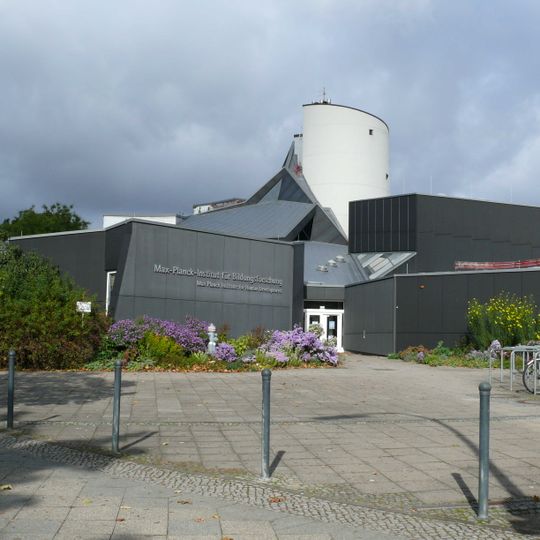
Max Planck Institute for Human Development, Research institute in Wilmersdorf, Berlin, Germany
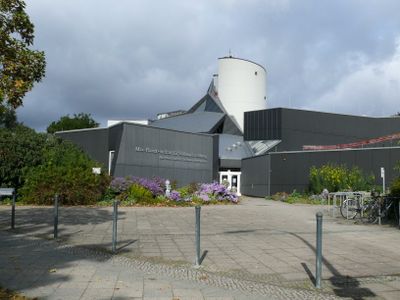
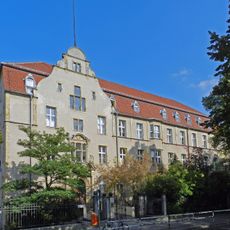
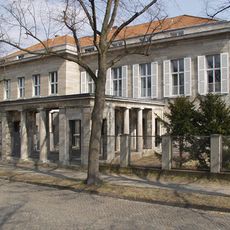
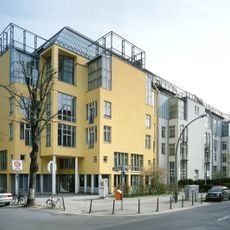
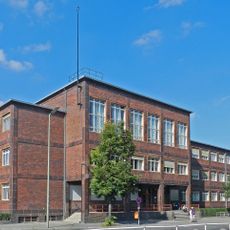
The Max Planck Institute for Human Development is a research facility with organically designed buildings, laboratories, and conference spaces in the Charlottenburg-Wilmersdorf district. The facility focuses on four research areas: psychology, emotions, rationality, and the relationship between humans and machines.
The facility was founded in 1963 as the Institute for Educational Research and received its current name in 1971 when its research focus expanded to human development. This shift reflected the growing importance of interdisciplinary understanding in science.
The building was designed by architects Hermann Fehling and Daniel Gogel and shapes Berlin's scientific landscape as a protected heritage ensemble. Its organic architecture creates spaces where researchers and visitors encounter a culture of thoughtful inquiry.
The institute offers limited public access, so check ahead about opening hours and possible tours before visiting. Public transportation reaches the location, and the site is situated in a residential area with good connections.
Researchers at the institute developed a specialized toolkit with nine strategies to help people identify and counter online misinformation. This practical resource emerged from years of research into how people think and make decisions.
The community of curious travelers
AroundUs brings together thousands of curated places, local tips, and hidden gems, enriched daily by 90,866 contributors worldwide.