Sterrenberg Castle, Medieval castle in Kamp-Bornhofen, Germany
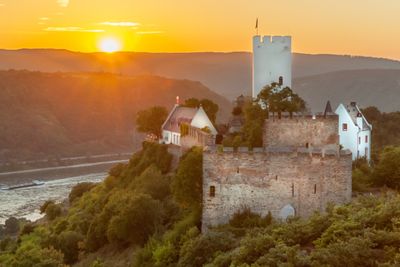
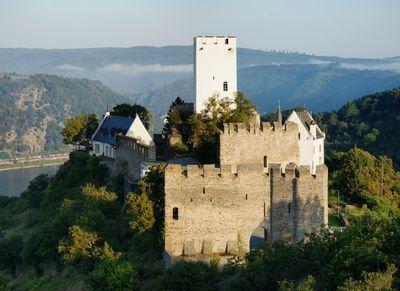
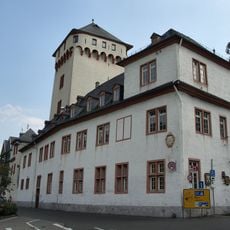
Sterrenberg stands on a hilltop overlooking the Rhine and is a medieval ruin with remaining walls and a tower that still show the building's former layout. The location provides views in both directions along the river, revealing the strategic importance of this site.
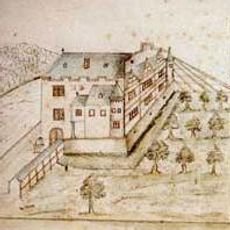
Sterrenberg is first documented in 1190, when Werner von Bolanden listed it as an imperial fief together with the toll at Bornhofen; a mention as an imperial castle in 1034 is uncertain. The Bolanden family held it until the second half of the 13th century, and the square bergfried survives from this early period. In 1310 the Archbishop of Trier, Baldwin of Luxembourg, received the castle as an imperial pledge and prevailed in his dispute with Count Diether VI of Katzenelnbogen by 1315. By 1456 it was described as dilapidated and by 1568 as uninhabited.
The castle represents part of the Rhine Valley cultural landscape, viewed today as evidence of medieval power structures and territorial control. These remains reflect how fortifications once shaped daily life and commerce for people living in the region.
The site is reachable from Kamp-Bornhofen via marked hiking trails that take about one hour on foot from the town. Sturdy footwear is recommended, as the path becomes steep in places and the ruin itself has uneven ground.
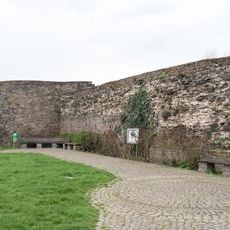
The outer shield wall stands about 30 to 35 metres from the core castle and is set at a slight angle to the inner one, so it looks as if it faced neighbouring Liebenstein. This presumed "quarrel wall" gave rise to the legend of the "hostile brothers", yet sources record no fighting between the two castles.
The community of curious travelers
AroundUs brings together thousands of curated places, local tips, and hidden gems, enriched daily by 93,208 contributors worldwide.