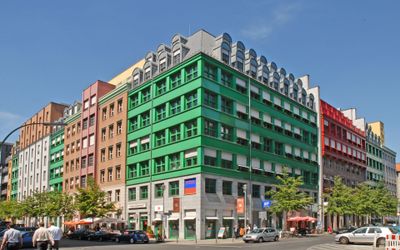
Quartier Schützenstraße, Postmodern architectural complex in Berlin-Mitte, Germany.
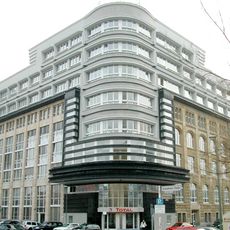
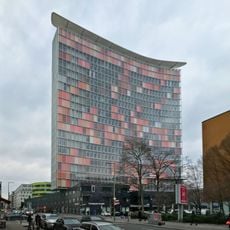
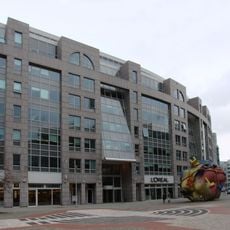
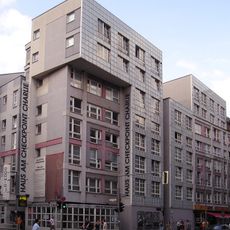
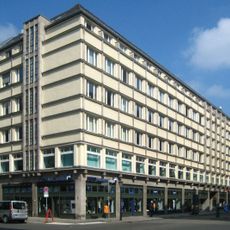
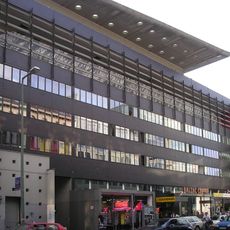
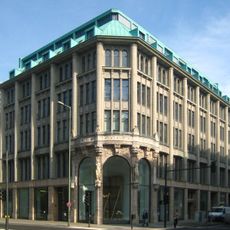
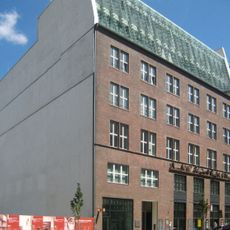
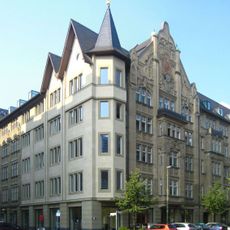
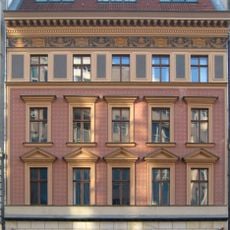
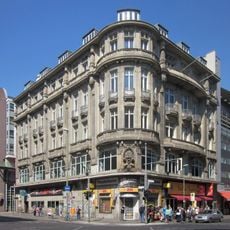
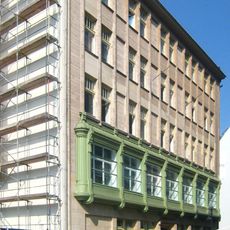
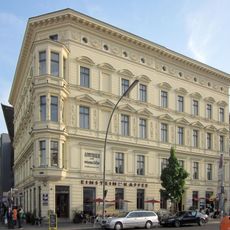
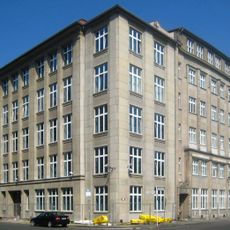
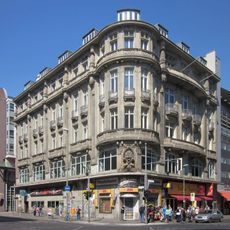
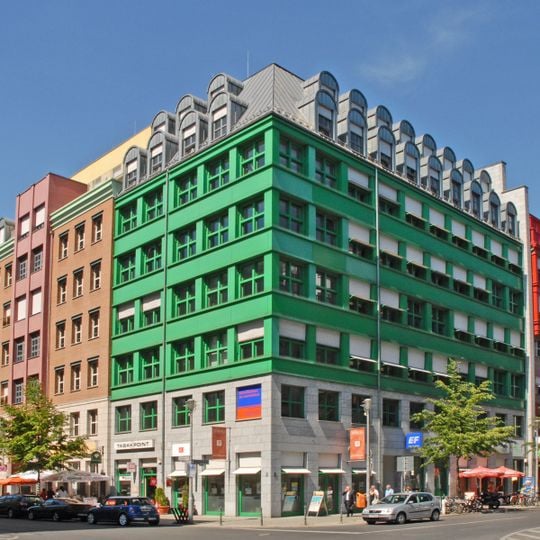
Quartier Schützenstraße is a large postmodern complex with eight stories above ground and four levels underground, occupying an entire city block. The interconnected buildings feature varied facade designs with different colors and window patterns, combining residential apartments and commercial spaces throughout.
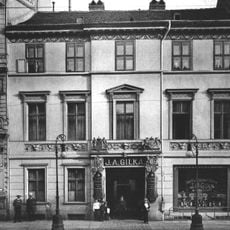
The complex was built between 1994 and 1997 during Berlin's architectural transformation following German reunification and the fall of the Berlin Wall. This era marked a turning point when architects began experimenting with new design approaches to reshape the city.
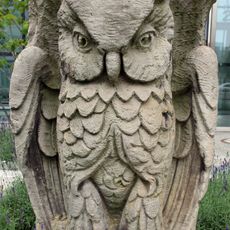
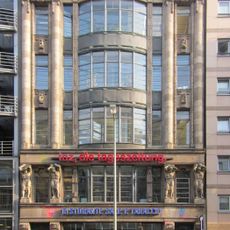
The complex incorporates historical facade elements like a replica of Rome's Palazzo Farnese, showing visitors how contemporary architects reinterpret classical forms. These references to Italian Renaissance design demonstrate how the place layers different cultural influences into a single composition.
The site is easily accessible with public pathways running through the complex, and the mix of shops and other uses means certain areas have activity during daytime hours. Plan your visit in daylight to fully appreciate the facade colors and architectural details.
Each section of the complex uses different colors and architectural styles, making it appear as though you are viewing multiple separate buildings when they are actually physically connected. This approach was an intentional strategy to create visual variety and interest.
The community of curious travelers
AroundUs brings together thousands of curated places, local tips, and hidden gems, enriched daily by 91,274 contributors worldwide.