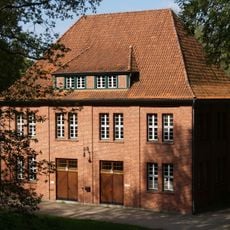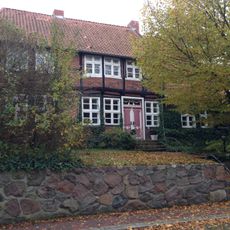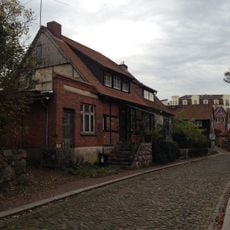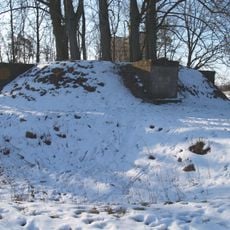
Schaalseekanal, Heritage canal in Schleswig-Holstein, Germany
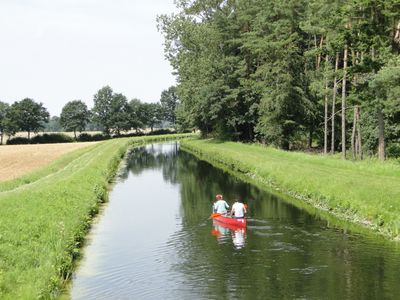
The Schaalseekanal links two lakes through an engineered waterway system in Schleswig-Holstein's landscape. The structure works by directing water between the two bodies using a natural elevation difference to generate electricity.
This engineering project arose during the 1920s when Germany sought new power sources for growing industrial needs. Its completion in spring 1925 made it an example of technical solutions from that period.
The waterway shaped how locals view their landscape, marking a shift from purely agricultural water use to industrial power generation. Residents today see it as a monument to their region's engineering past.
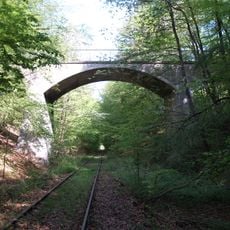
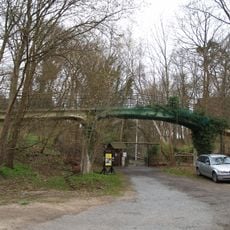
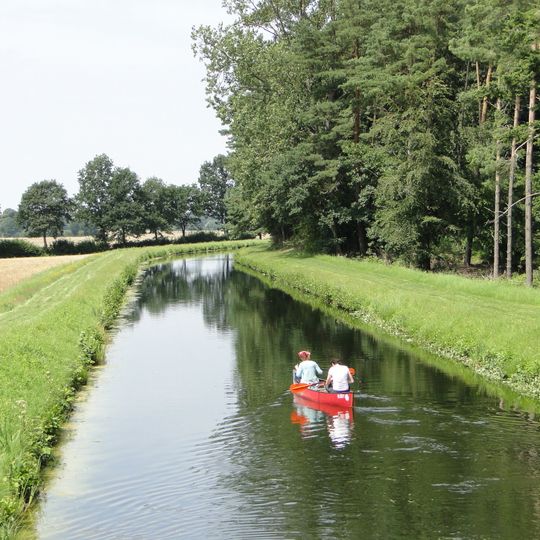
The waterway is accessible by foot or bicycle along its banks and embankments in the surrounding area. Much of the route runs underground, so visitors should expect sections where the water is not visible from above.
An unusual feature is that the waterway disappears underground for its first section before emerging to flow openly along raised embankments. This tunnel section was a rare engineering achievement for its time.
The community of curious travelers
AroundUs brings together thousands of curated places, local tips, and hidden gems, enriched daily by 91,354 contributors worldwide.