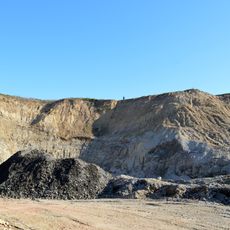
Mors, Danish island in Limfjord, Northern Jutland.
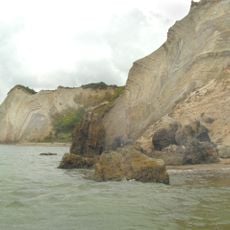
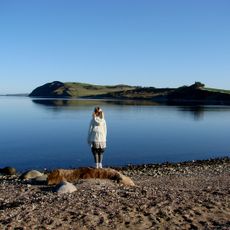
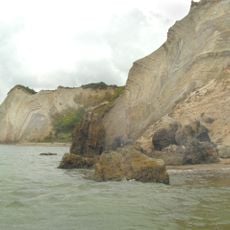
Mors is an island in Northern Jutland with starkly different zones: dramatic white clay cliffs line the north, while farmland and meadows dominate the south. The landscape feels open and windswept, with small towns scattered across the 367-square-kilometer area, and the Limfjord surrounds the island on all sides.
In the 15th century, residents joined a peasant uprising but accepted amnesty terms that led them to abandon the rebel movement. Since then, the island developed as an agricultural and fishing community that shaped its character for the following centuries.
Fishing remains woven into daily life here, visible in harbor activities and how residents connect to the sea. Local food culture celebrates shellfish and other marine products, reflecting centuries of dependence on the waters of the Limfjord.
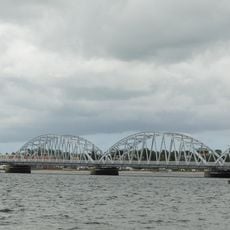
Two bridges connect the island to mainland Denmark, making it easily reachable by car from either direction. Plan time to drive across the island itself, as distances between attractions and towns can be considerable due to its size.
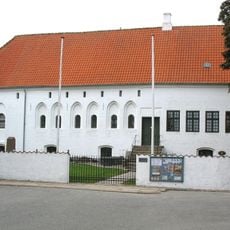
The white clay cliffs hide marine fossils from 55 million years ago, now displayed in a local museum that holds Denmark's largest collection. These ancient remains offer a glimpse into an era when warm seas covered the region.
The community of curious travelers
AroundUs brings together thousands of curated places, local tips, and hidden gems, enriched daily by 92,640 contributors worldwide.