Hippo Regius, Roman archaeological site in Annaba, Algeria
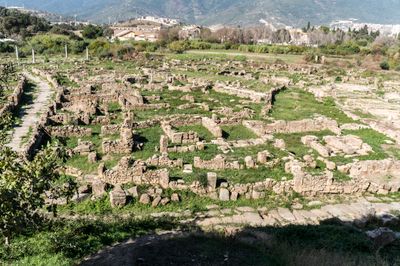
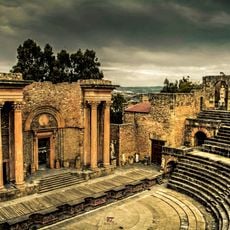
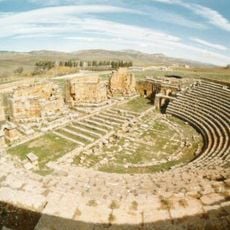
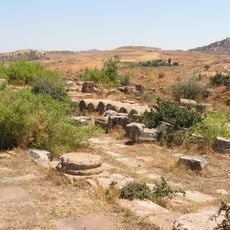
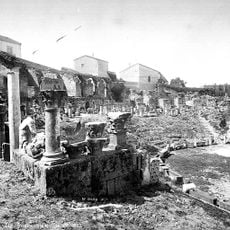
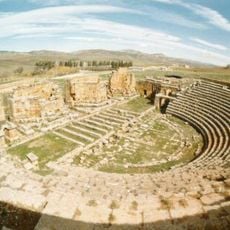
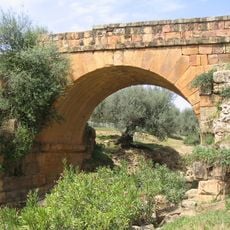
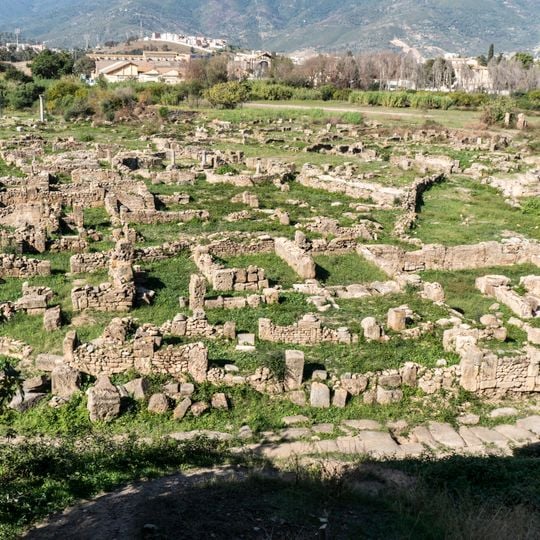
Hippo Regius is a Roman archaeological site in the Algerian coastal city of Annaba, spread across several terraces. The complex includes paved streets, residential quarters with rows of columns, a large rectangular forum, and foundations of numerous public buildings.
Phoenician traders founded the settlement in the 12th century BC, which later rose to become an important colony under Roman rule. Augustine led the diocese here from 396 onward and wrote theological works until his death during the Vandal siege in 430.
The remains of several Christian basilicas show different architectural styles and floor decorations from different centuries. The main northern church still preserves a central apse and large mosaic fragments that recall the time as an episcopal seat.
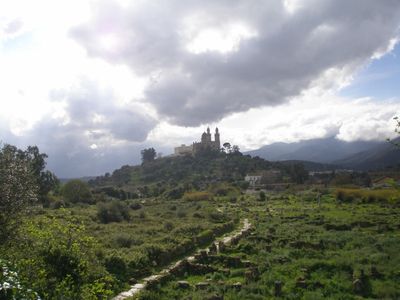
The walking route begins at the former harbor area and leads uphill through residential quarters with exposed walls and column bases. Sturdy footwear is advisable, as the paths are uneven and sometimes cross old paving stones and steps.
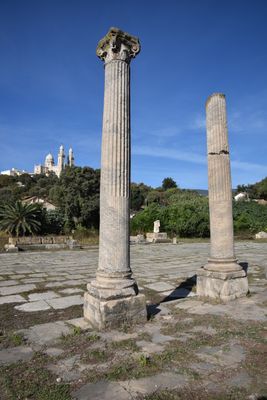
A raised stone platform in the market area once served for the sale of enslaved people and stands today between the trading columns. The forum preserves several upright columns that still rise about 3.6 meters (12 feet) high and give an impression of the original scale of the public square.
The community of curious travelers
AroundUs brings together thousands of curated places, local tips, and hidden gems, enriched daily by 91,573 contributors worldwide.