Thuburnica, Archaeological site in Jendouba Governorate, Tunisia.
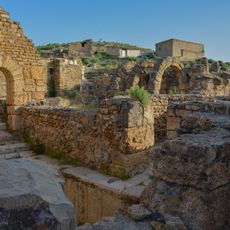
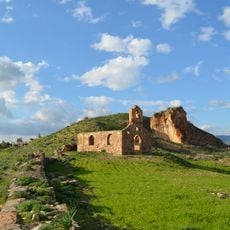
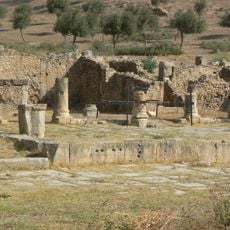
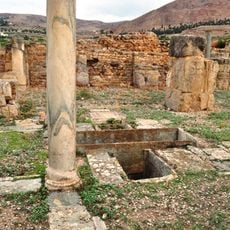
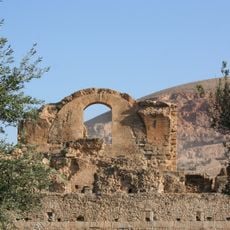
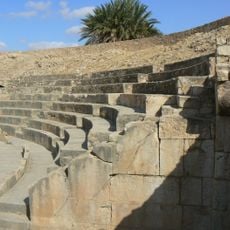
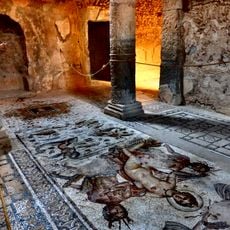
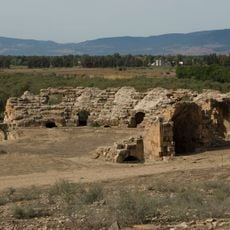
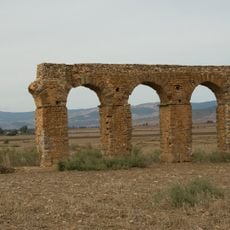
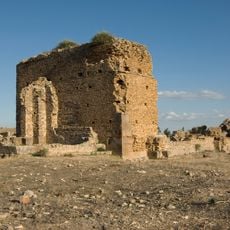
Thuburnica is a Roman settlement in northern Tunisia with substantial remains of various public and private structures from ancient times. The ruins show a paved street, multiple storage cisterns, bathing facilities, a temple, two standing arches, and a large mausoleum, connected by the remains of an aqueduct that once supplied water to the site.
The settlement was founded by Roman general Gaius Marius, who established it by bringing military veterans into an existing Berber village. Emperor Augustus later transformed it into an official Roman colony with formal administration and urban planning.
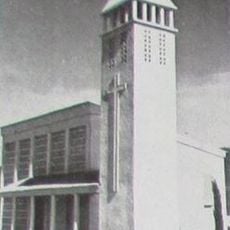
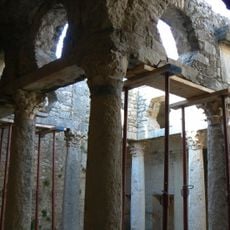
The site demonstrates how worship changed over centuries, with a temple dedicated to Ba'al Hammon that was converted into a church during the 4th century as Christianity spread across the region. You can see this religious shift directly in how the structure was transformed by those living there.
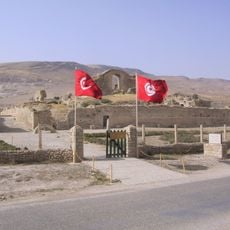
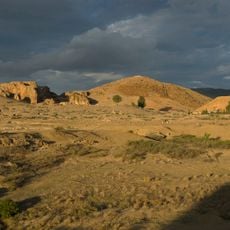
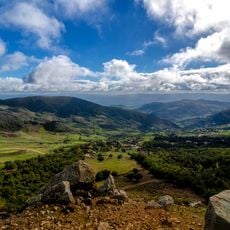
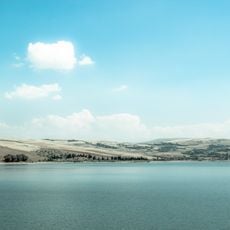
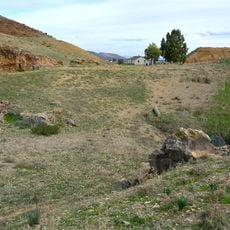
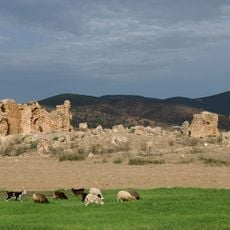
The site sits on a hilltop in a semi-arid landscape where partially excavated ruins are scattered across open ground. Walking across the site with time to explore each structure separately works best, as the buildings are spread out rather than clustered together.
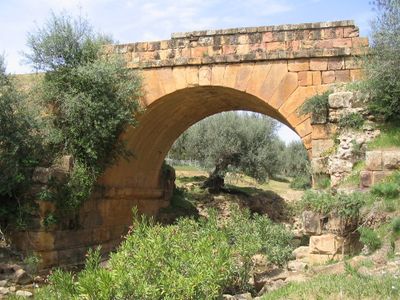
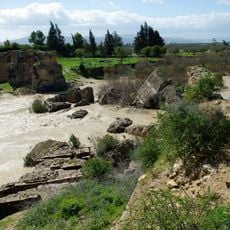
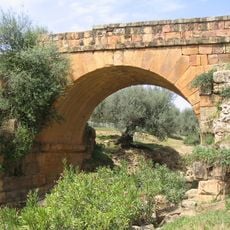
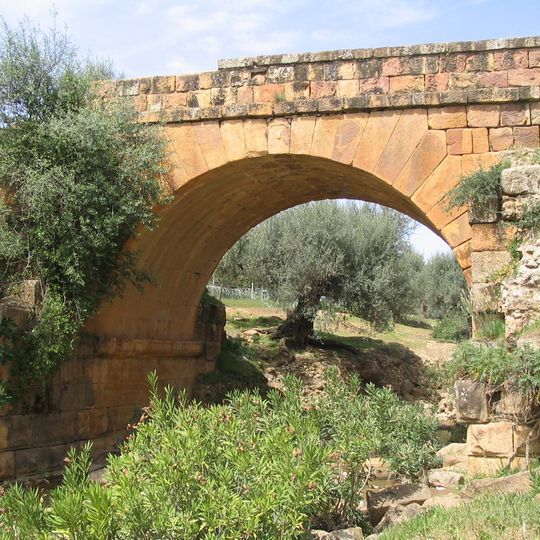
A Roman stone arch still functions as a bridge crossing a river valley, connecting the ancient settlement to the surrounding land today. This continuous use across many centuries shows how practical Roman engineering was and how much local people valued the original construction.
The community of curious travelers
AroundUs brings together thousands of curated places, local tips, and hidden gems, enriched daily by 91,393 contributors worldwide.