Chemtou, Archaeological site in northwestern Tunisia
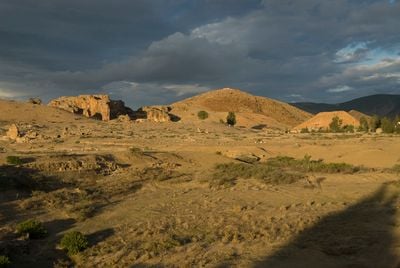
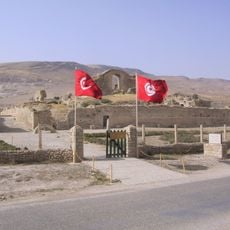
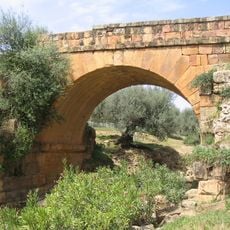
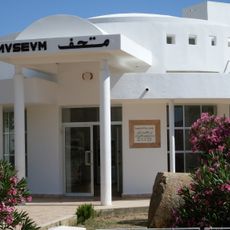
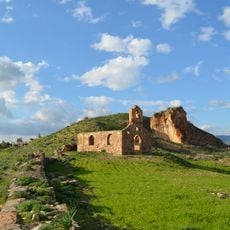
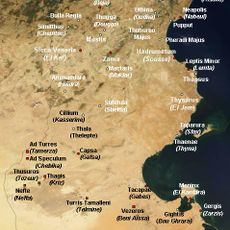
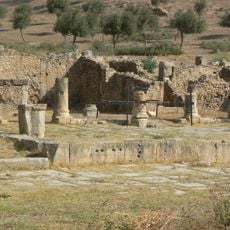
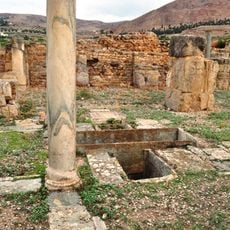
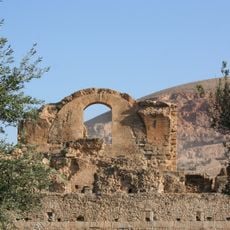
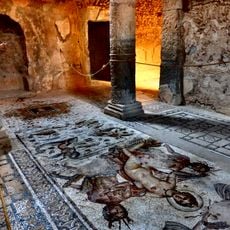
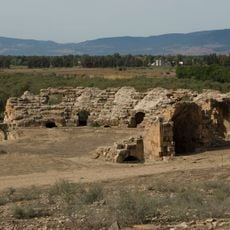
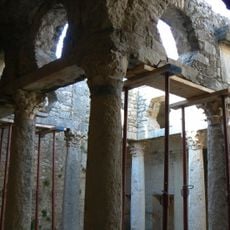
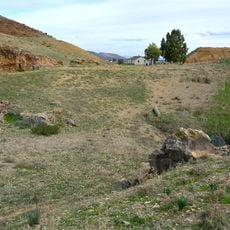
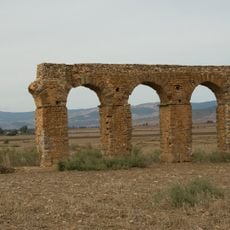
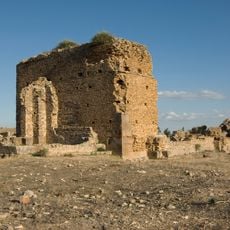
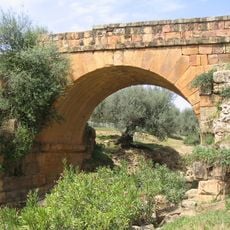
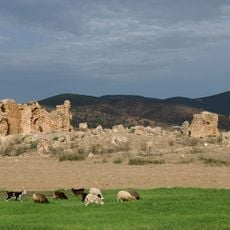
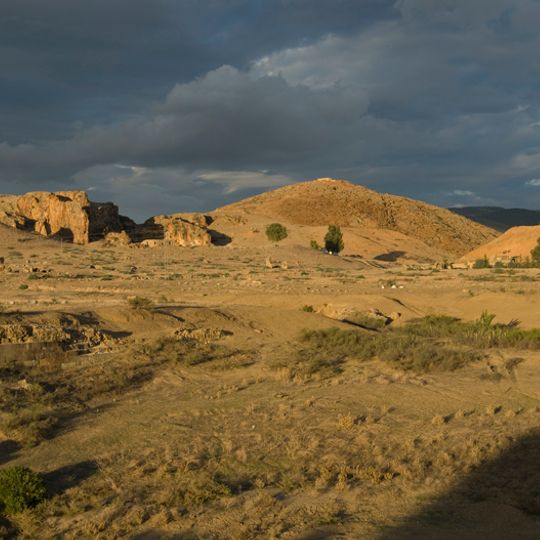
Chemtou is an ancient archaeological site in northwestern Tunisia, near the Algerian border, where the remains of a Numidian temple, Roman baths, an aqueduct, and marble quarries can be seen. An on-site museum displays finds from the excavations and helps put the ruins in context.
The site began as a Numidian sanctuary in the 4th century BC and later grew under Roman rule into the colony of Simitthus. The Romans turned it into one of the leading marble-quarrying centers of the empire, sending stone to Rome and across the Mediterranean.
The marble quarried here, known as Giallo Antico, has a warm yellow and orange color that made it recognizable across the Roman world. Pieces of this stone can still be found in museums and ancient buildings far from the site itself.
The site is open and exposed, so sturdy shoes and sun protection are important, especially in summer. Arriving in the morning gives more comfort before the heat of the day sets in, and the light is also better for seeing the stone details.
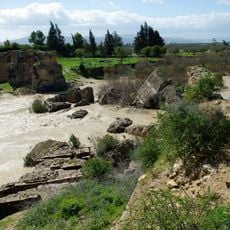
Along the Medjerda River, archaeologists uncovered the remains of a water-powered mill that ground grain mechanically. This is one of the earliest known examples of this technology in the ancient world, predating its widespread use by several centuries.
The community of curious travelers
AroundUs brings together thousands of curated places, local tips, and hidden gems, enriched daily by 91,383 contributors worldwide.