Narva, Border city in northeastern Estonia
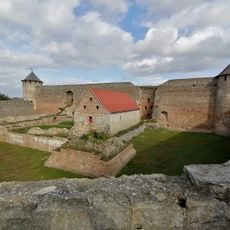
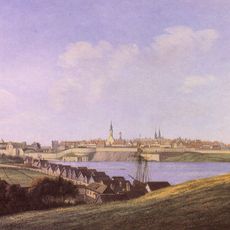
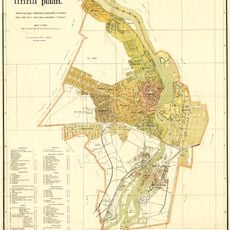
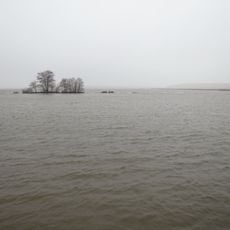
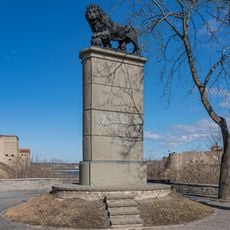
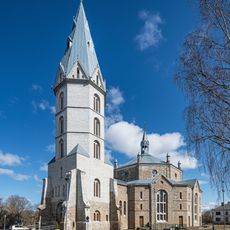
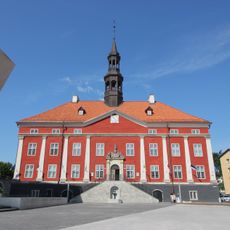
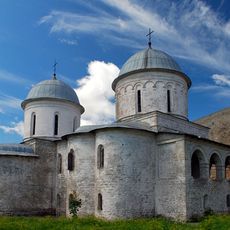
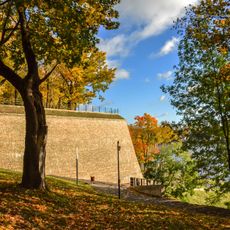
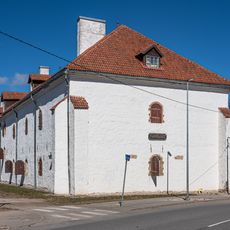
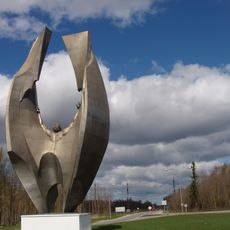
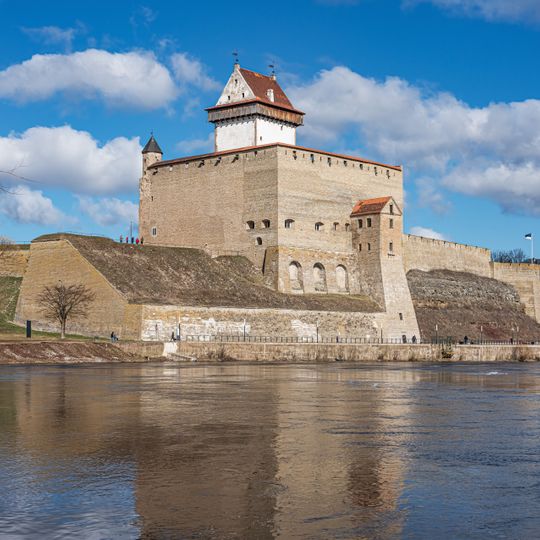
Narva sits along the Narva River, whose opposite bank belongs to Russia, and the cityscape is defined by medieval fortresses on both sides. The city extends along the water and forms an administrative unit with roughly fifty thousand inhabitants in northeastern Estonia.
Danish rulers established the fortress in the 13th century to control the trade route between the Baltic Sea and Russian territories. The settlement officially received town rights in the 14th century under King Valdemar IV and developed into a trade hub between east and west.
The name Narva comes from Old Norse and means narrow passage, referring to the tight river crossing. The city has a multilingual feel where Russian and Estonian traditions coexist, and many signs and public notices are displayed in both languages.
Buses connect the city regularly with Tallinn and Tartu, with the trip from the capital taking about three hours. The border location means that travelers should expect checks at the Russian frontier and carry valid travel documents.
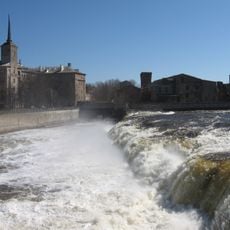
The Krenholm Manufacturing Company arose in the mid-19th century and turned the city into a major industrial site with one of the largest cotton mills in Europe. The old factory buildings on a river island remain standing today and shape the industrial heritage of the region.
The community of curious travelers
AroundUs brings together thousands of curated places, local tips, and hidden gems, enriched daily by 92,278 contributors worldwide.