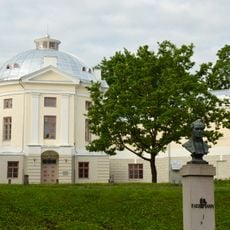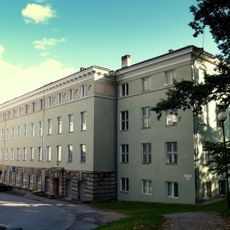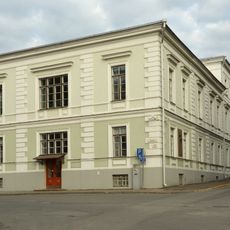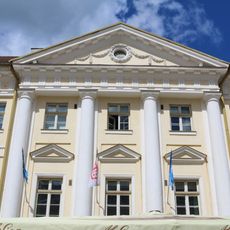
University of Tartu Old Observatory, Neoclassical astronomical observatory in Tartu, Estonia
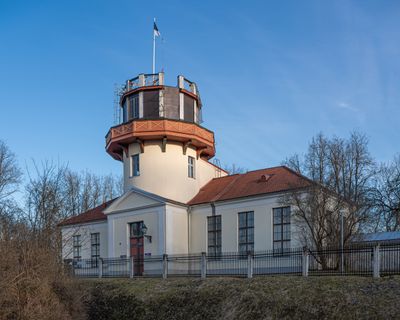
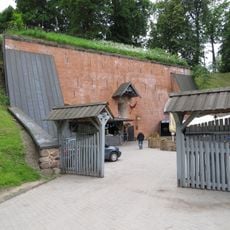
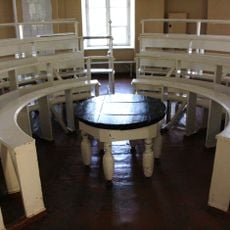
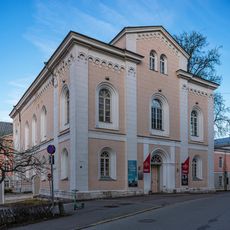
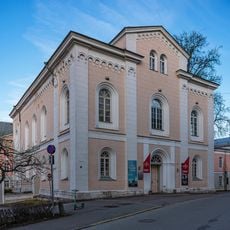
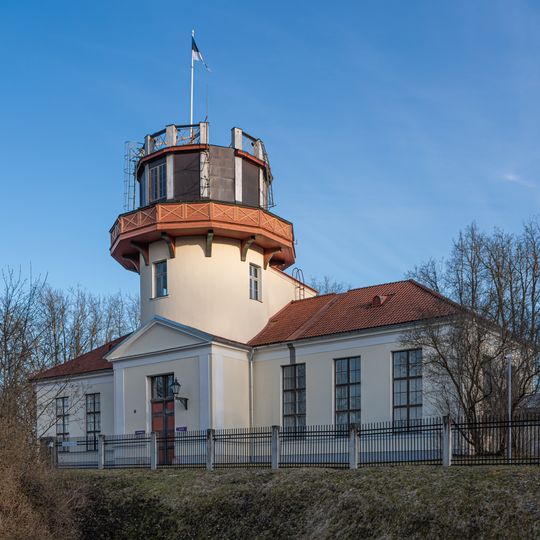
The University of Tartu Old Observatory is a neoclassical building constructed on a hill with limestone walls, completed in 1810 according to designs by Johann Wilhelm Krause. The structure houses astronomical instruments and equipment that remain part of the exhibition space for visitor observation and study.
The building opened in 1810 and operated as the primary research center for astronomical work until 1964, serving generations of scientists in the region. During this period, important measurements and observations conducted at this site contributed significantly to European scientific knowledge and understanding.
The building displays how this site functioned as a hub for scientific work in the region, connecting local researchers with European astronomical developments. Visitors experience the working methods of past astronomers through preserved instruments and records that shaped understanding of the night sky.
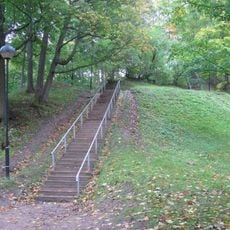
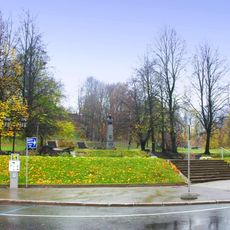
The site sits on elevated ground and requires climbing stairs to reach the main structure, which affects accessibility for some visitors. Advance booking is recommended for observation sessions and guided tours to ensure availability and a better experience.
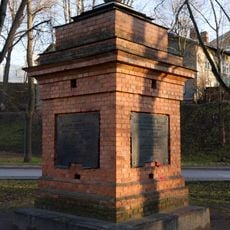
This location marks the first measurement point of the Struve Geodetic Arc, a 19th-century survey line that stretched across northern Europe and contributed groundbreaking data about the Earth's shape. The arc represents one of the earliest scientific collaborations spanning multiple countries and remains recognized as part of UNESCO World Heritage.
The community of curious travelers
AroundUs brings together thousands of curated places, local tips, and hidden gems, enriched daily by 92,322 contributors worldwide.