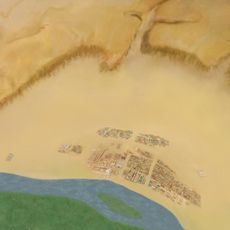
Antinoöpolis, human settlement
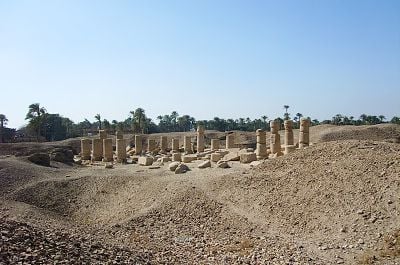
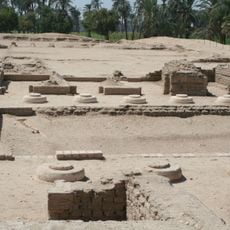
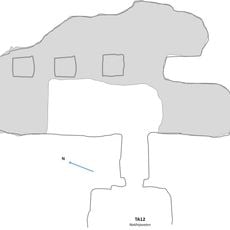
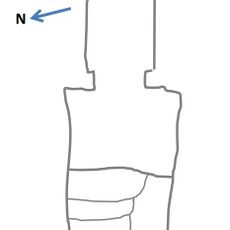
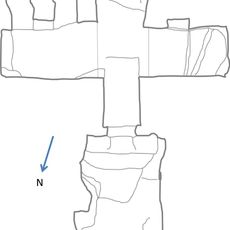
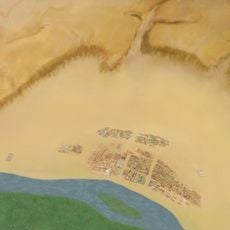
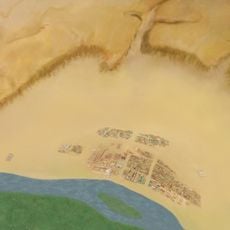
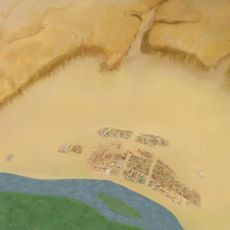
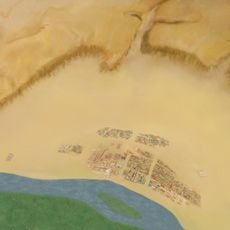
Antinoöpolis is a Roman city and archaeological site on the east bank of the Nile in Minya Governorate, Egypt. The remains include temples, residential areas, and public structures spread across a wide area that is partly covered by later settlements.
The city was founded in the 2nd century by Emperor Hadrian, shortly after his companion Antinous drowned in the Nile nearby. It grew into a trading point along the river before slowly declining over the following centuries.
Antinoöpolis was named after Antinous, a young Greek who drowned nearby and was then declared a god by Emperor Hadrian. Visitors can still see traces of the temples built in his honor among the scattered stones of the site.
The remains are scattered over a wide area, so it helps to research the key points before arriving. A local guide can help find the most interesting sections and move safely across the terrain.
Much of the city's stone was quarried in the 19th century to supply building material for other constructions in the region, which explains why so little stands today. Despite this, excavations at the site have produced papyri written in Greek and Coptic, offering a direct look at everyday life in the Roman period.
The community of curious travelers
AroundUs brings together thousands of curated places, local tips, and hidden gems, enriched daily by 90,854 contributors worldwide.