Speos Artemidos, Ancient rock temple at Minya Governorate, Egypt
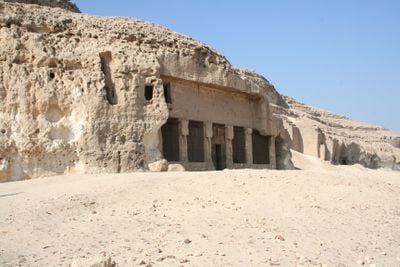
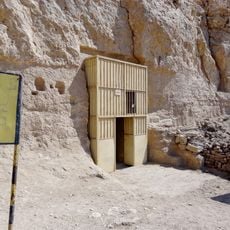
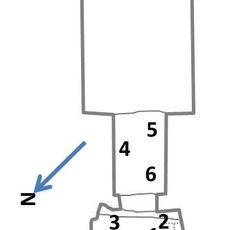
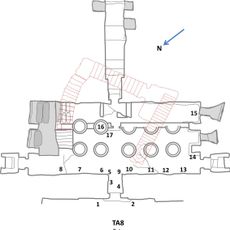
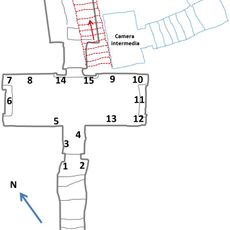
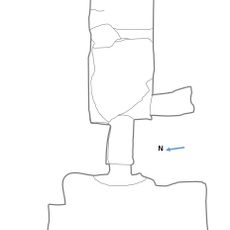
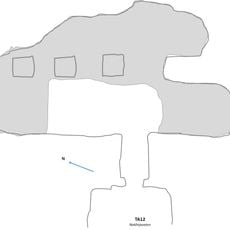
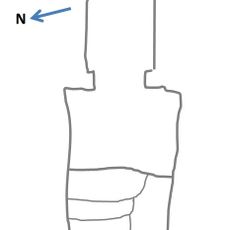
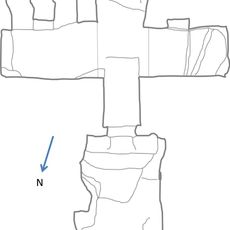
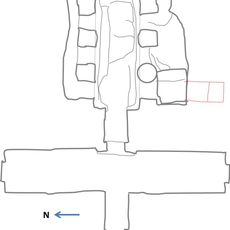
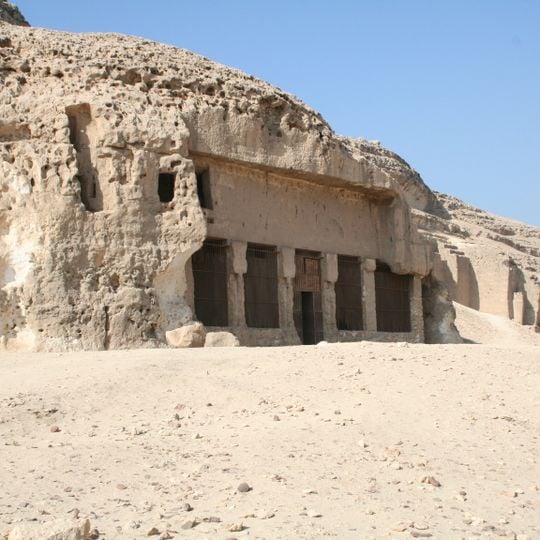
Speos Artemidos is a rock-cut temple on the eastern cliffs of the Nile, about 2 km south of the Middle Kingdom tombs at Beni Hasan. Its facade is divided by four square pillars into tall rectangular openings fitted with dark vertical bars, with a narrow central doorway. Inside, two chambers are connected by a short passageway; the outer portico originally had eight stone columns in two rows, of which three facade columns remain relatively intact.
The temple was commissioned during the 18th Dynasty under Hatshepsut and originally included a long inscription criticizing earlier Hyksos rulers. The site was later used and modified by subsequent dynasties.
The temple displays reliefs and inscriptions showing ceremonies and religious rituals dedicated to the goddess Pakhet. Visitors can still see details of the wall carvings that reflect the spiritual life of ancient Egyptians.
The two rock-cut temples lie in the cliffs on the eastern side of the Nile, about 2 km south of the Middle Kingdom tombs at Beni Hasan and 28 km south of Al Minya, near the village of Istabl Antar. Hatshepsut's temple has a rectangular outer portico whose facade retains three of its four columns, leading to a short passageway and a square inner sanctuary with a statue niche at the back. The rock face above the portico carries the dedicatory text bearing Hatshepsut's name.
The small shrine beside Hatshepsut's temple bears the name of Alexander IV of Macedon, son of Alexander the Great. Jean-François Champollion first identified the site as the Grotto of Artemis described by ancient Greek writers, who equated their Artemis with the goddess Pakhet.
The community of curious travelers
AroundUs brings together thousands of curated places, local tips, and hidden gems, enriched daily by 94,336 contributors worldwide.