Alexandria National Museum, Archaeological museum in Alexandria, Egypt
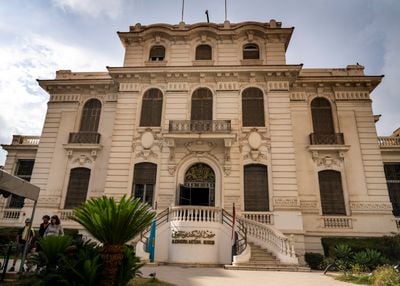
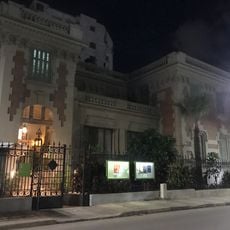
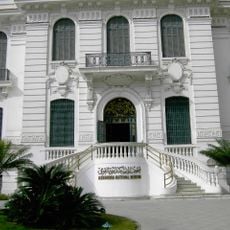
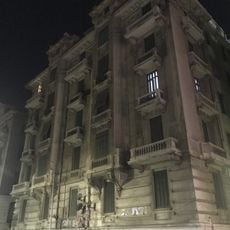
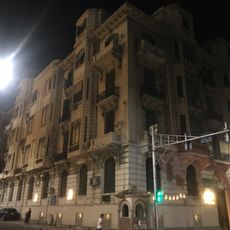
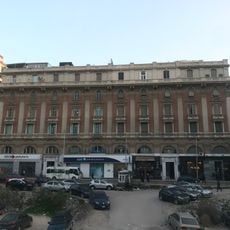
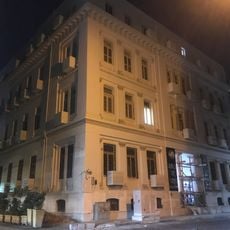
The Alexandria National Museum occupies a restored palace with three floors in the city center, organized to show objects from different periods of history. The displays move through time from the age of the pharaohs to more recent eras.
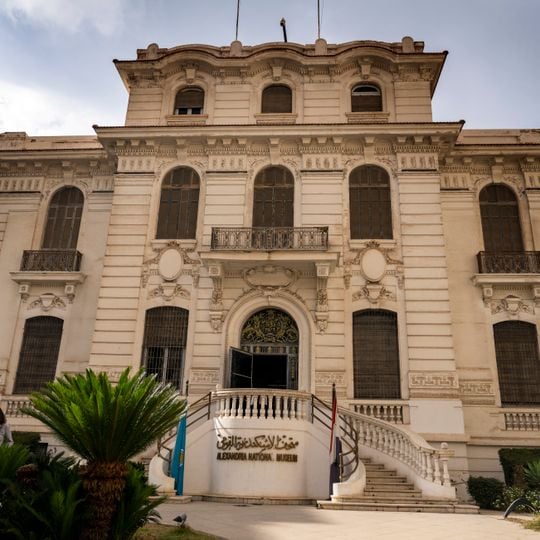
The palace was built in 1926 for the wealthy timber merchant Asaad Basili in an Italian architectural style. In 1954 it was sold to the United States for 53,000 Egyptian pounds and served as the American consulate. Egypt's Supreme Council of Antiquities later bought it for 12 million pounds and converted it into a national museum, inaugurated by President Hosni Mubarak on 1 September 2003.
The collections reflect the many peoples who lived in Alexandria and left their mark on the city. Walking through the rooms, you see how Egyptians, Greeks, Romans, and others shaped the place over centuries.
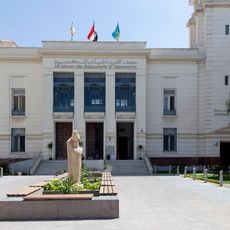
The museum stands at 110 Tariq Al-Horreya Street, the former Rue Fouad, in central Alexandria. The three floors are arranged by period, with the Pharaonic collection on the first floor and the Greco-Roman material above it. A curved double staircase leads up to the arched entrance, and the building sits within a garden.
The museum devotes a dedicated hall to objects raised from Alexandria's submerged harbour, among them a black granite statue of Isis and a statue of one of her priests, shown with photographs of the recovery operations. Coins found underwater in Abu Qir Bay are displayed in the coin room.
The community of curious travelers
AroundUs brings together thousands of curated places, local tips, and hidden gems, enriched daily by 95,265 contributors worldwide.