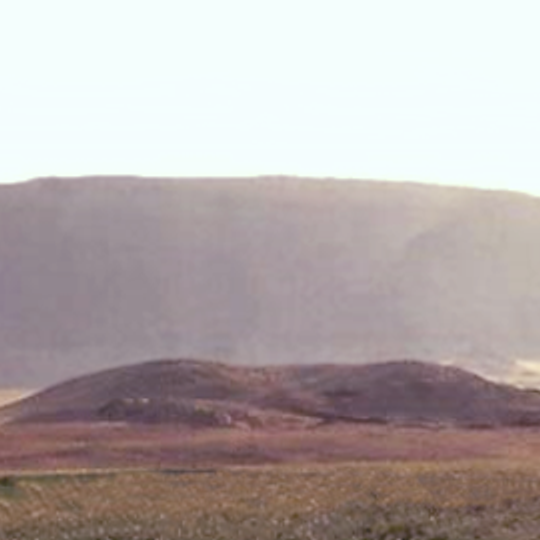
Pyramid of Ahmose, Egyptian royal pyramid in Abydos, Egypt
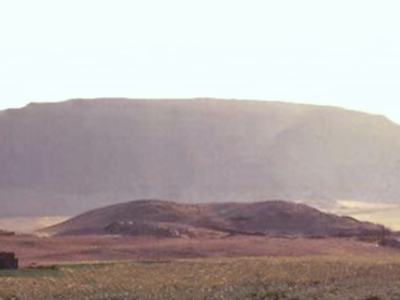
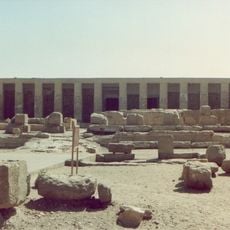
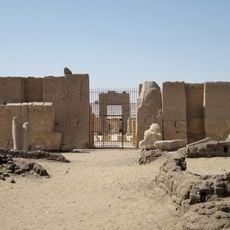
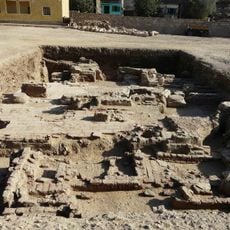
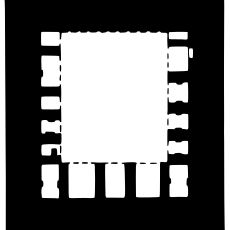
The Pyramid of Ahmose at Abydos is today a low mound of compacted earth and rubble about 10 metres high, with no stone facing, steps or inscriptions visible. It was originally built with a base of 52.5 metres and a steep 60-degree slope, reaching a height of 45 metres, but its limestone cladding was removed and the loose sand-and-rubble core collapsed.
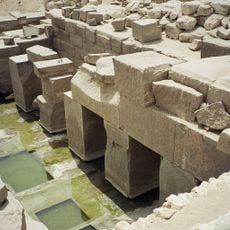
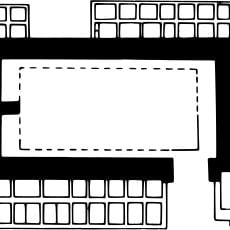
Ahmose I built this pyramid around 1550–1525 BC at Abydos, the first large pyramid there and the last royal pyramid in Egypt. It was a cenotaph from the start; his actual tomb was probably at Dra' Abu el-Naga. Excavations by Mace and Currelly (1899–1904) and Stephen Harvey (from 1993) uncovered the complex.
This was the last royal tomb of its kind in Egypt, marking a turning point in how pharaohs were buried. Rulers who came after chose different locations and forms for their final resting places.
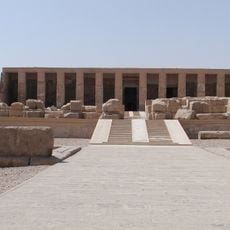
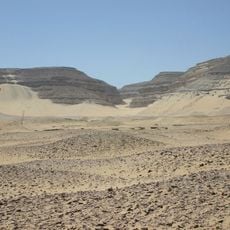
The site lies near the Abydos temple complex in southern Egypt and can be reached by local roads. Visitors should prepare for hot, dry conditions and plan exploration during daylight hours.
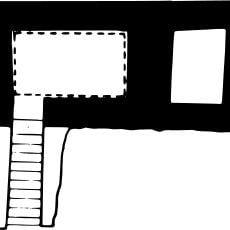
The pyramid is the only large Egyptian pyramid with no substructure at all. In 1902 Arthur Mace tunneled under the ruins from the north side and found no buried entrance; later searches also found nothing, confirming it never held a burial.
The community of curious travelers
AroundUs brings together thousands of curated places, local tips, and hidden gems, enriched daily by 93,318 contributors worldwide.