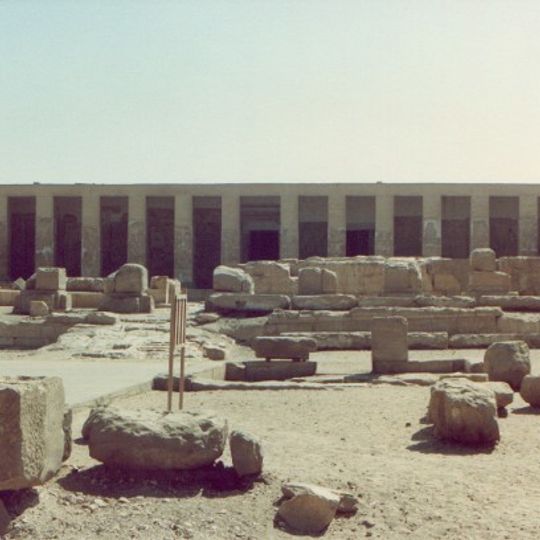
Shunet el Zebib, Ancient burial enclosure in Abydos, Egypt
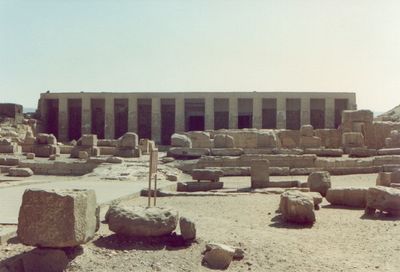
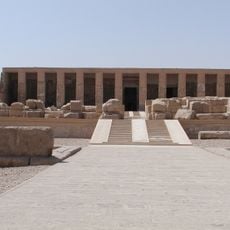
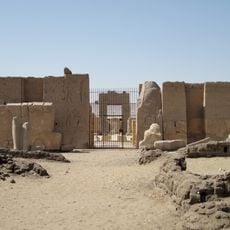
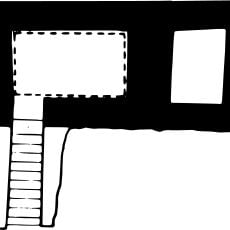
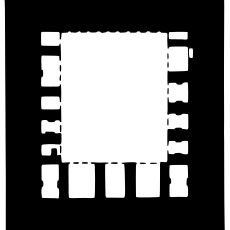
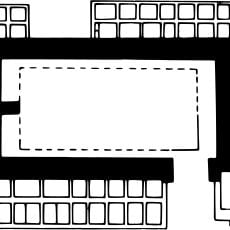
Shunet el Zebib is a burial enclosure in Abydos, Egypt, among the oldest standing monuments in the country, made of massive mud brick walls. The rectangular structure covers a large site and displays tall outer walls with regular vertical recesses on all sides.
King Khasekhemwy had this complex built around 2750 BC during the Second Dynasty as part of his burial grounds. The enclosure influenced later building forms, including the conception of step pyramids in the following century.
The Arabic name of this enclosure means "storehouse of raisins," a modern label given by local residents based on the shape of its walls. The outer walls display a regular pattern of deep recesses, matching the facade style of early royal buildings and still visible today as a clear example of this technique.
Access to the site is easiest in the early morning, when temperatures are still manageable and the light makes the wall structures clearly visible. The paths around the enclosure consist of uneven desert ground, so sturdy shoes and sun protection are advisable.
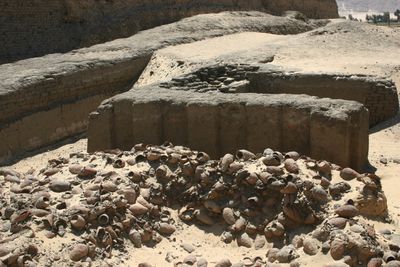
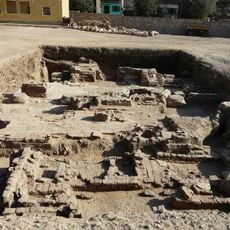
During restoration work, around 150,000 new mud bricks were made using old techniques to stabilize damaged wall sections. This measure helped preserve the original height and thickness of the walls without using modern materials.
The community of curious travelers
AroundUs brings together thousands of curated places, local tips, and hidden gems, enriched daily by 91,805 contributors worldwide.