Temple of Seti I, Egyptian temple in Abydos, Egypt
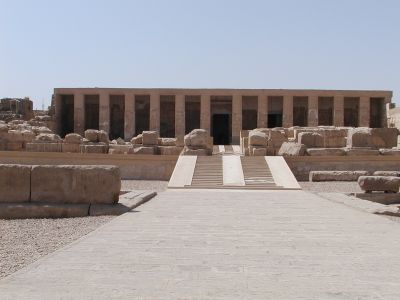
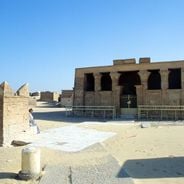
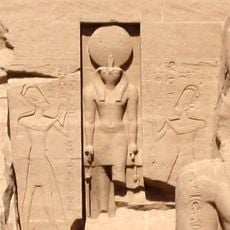
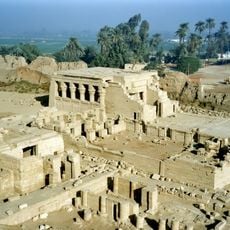
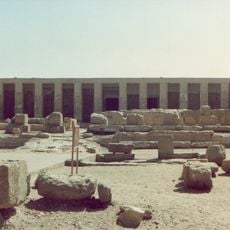
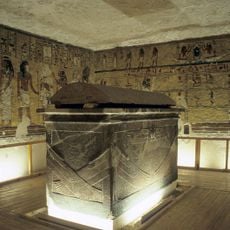
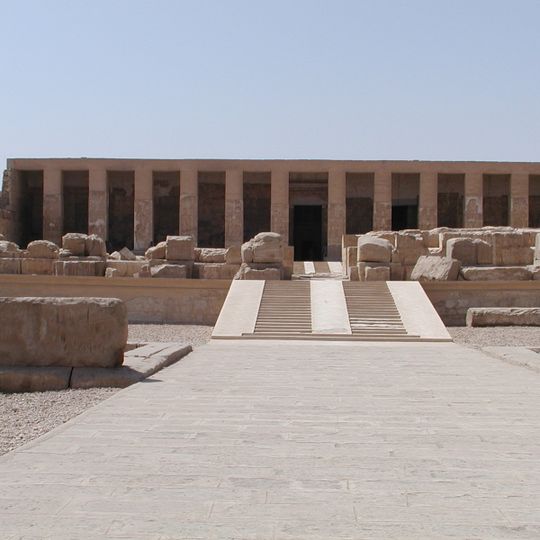
The Temple of Seti I is a limestone structure with seven chapels dedicated to different deities and two large columned halls featuring ornate sandstone supports throughout. The walls display finely carved reliefs showing religious ceremonies and scenes from the pharaoh's reign.
Construction began under Pharaoh Seti I around 1290 BCE and was completed by his son Ramesses II after his father's death in 1279 BCE. The temple became an important shrine dedicated to the god Osiris during Egypt's most powerful era.
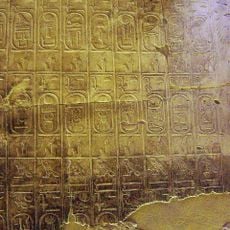
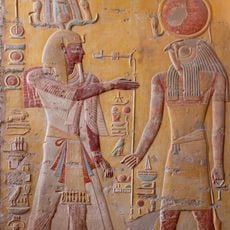
The temple walls display scenes of religious rituals and the pharaoh making offerings to gods, showing how daily religious life unfolded in ancient times. Walking through the chambers, visitors can see these carved moments that reveal what mattered most to the people who built and worshipped here.
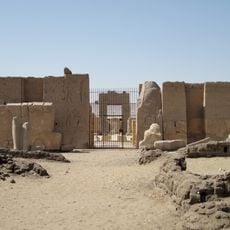
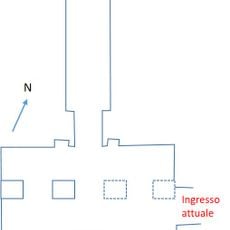
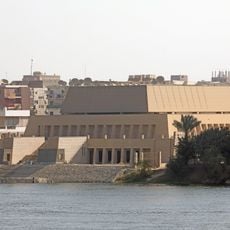
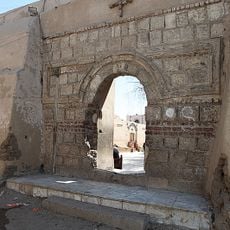
The temple sits near the Nile River and is accessible from Cairo, with the main entrance on the northeast side marked by a partially damaged gate. The site is open for exploration at your own pace, though sturdy footwear and sun protection are recommended for comfortable visiting.
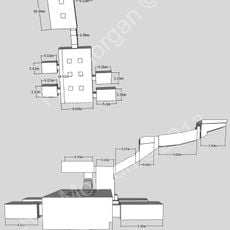
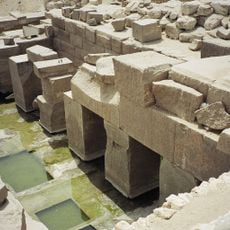
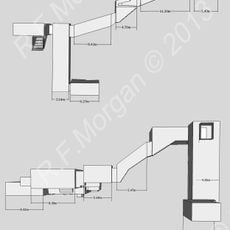
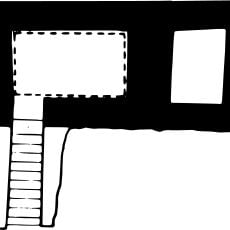
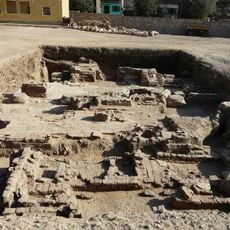
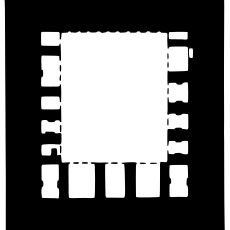
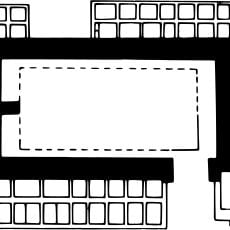
The structure follows an unusual L-shaped plan that differs from standard rectangular Egyptian temples and connects to an underground chamber called the Osirion. This subterranean space features carefully placed granite blocks whose original purpose remains debated among scholars.
The community of curious travelers
AroundUs brings together thousands of curated places, local tips, and hidden gems, enriched daily by 91,824 contributors worldwide.