Royal Tomb of Akhenaten, Royal tomb in Amarna, Egypt.
The Royal Tomb of Akhenaten is an archaeological site in Amarna, Egypt, designed as the resting place of an 18th Dynasty pharaoh. Multiple chambers are linked by sloping passages and inside there are areas for granite sarcophagi along with wall paintings featuring sun disk motifs.
Edward Ayrton discovered this resting place in 1907 and found objects suggesting the burial of Pharaoh Akhenaten during the 18th Dynasty. The site was created in the period when the ruler moved his capital to Amarna and established a new religious center there.
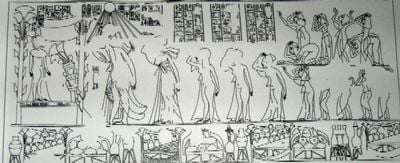
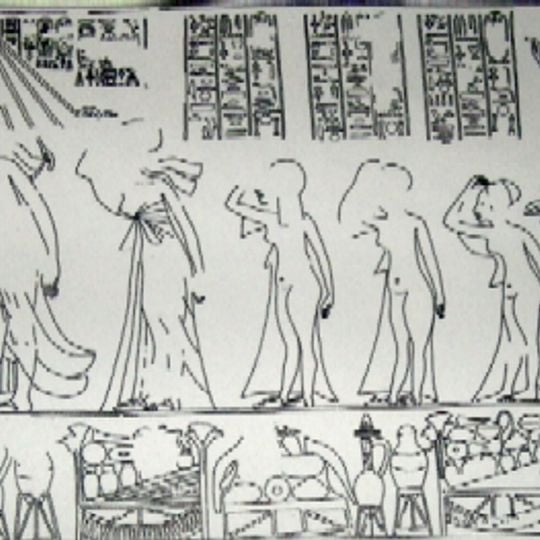
The tomb walls show depictions of Queen Nefertiti and the Aten sun disk, making visible the religious transformation during Akhenaten's reign. The decoration follows a different style than in other royal tombs of that era and emphasizes the connection between ruler and sun worship.
Access leads down twenty steps into the mountain and then through a long passage to the different burial chambers. The rooms are in varying states of preservation, so visitors should be prepared for uneven surfaces and changing light conditions.
Photographer Harry Burton set up parts of the site as a darkroom in 1923 to develop images from the tomb of Tutankhamun there. This unusual use turned the royal tomb into a technical aid for documenting another important discovery.
The community of curious travelers
AroundUs brings together thousands of curated places, local tips, and hidden gems, enriched daily by 92,234 contributors worldwide.