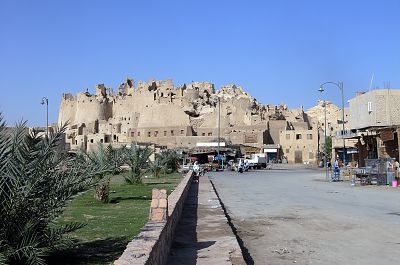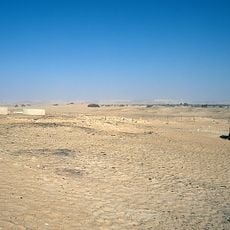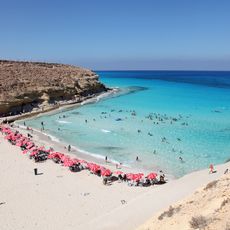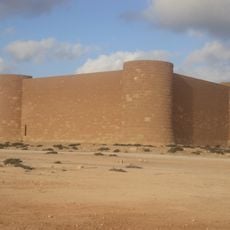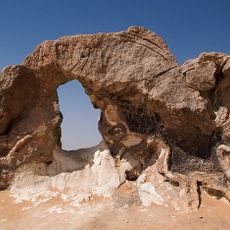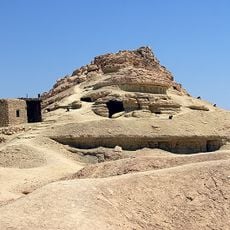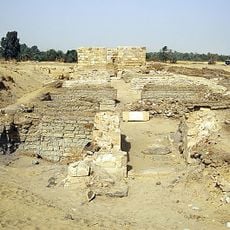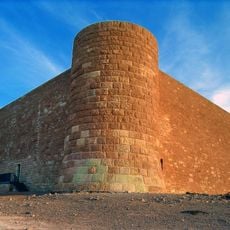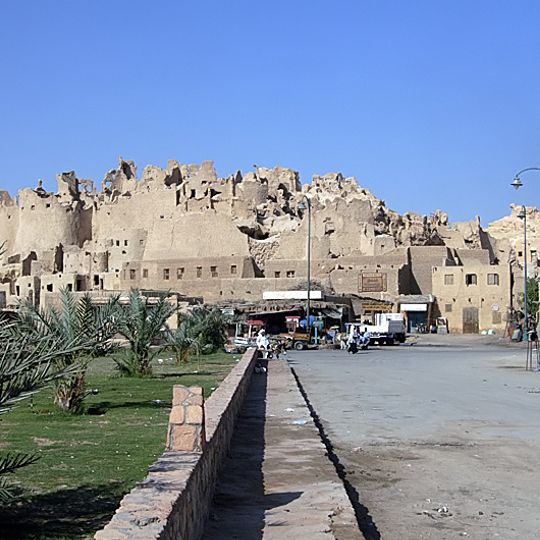
Shali, 13th-century fortification in Siwa Oasis, Egypt
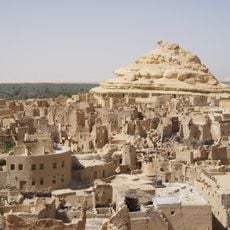
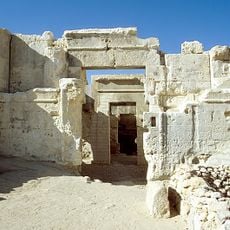
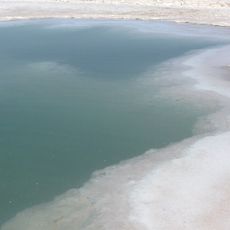
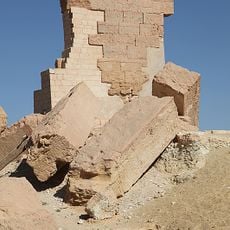
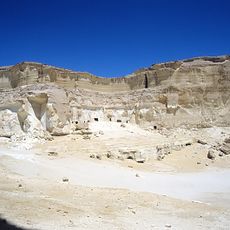
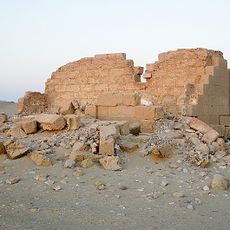
Shali is a fortress that rises from the Siwa Oasis landscape, built entirely from kershef, a material made by mixing salt and mud that hardens into solid blocks. The structure contains multiple levels with narrow winding passages and numerous chambers that once served as living spaces, storage areas, and shelters.
The fortress was built in 1203 to protect Siwa inhabitants from nomadic raids and served as a residential complex for nearly seven centuries. It was gradually abandoned, with the final occupation ending in the late 1920s.
The elevated mosque within the fortress displays traditional Berber architectural elements, with walls bearing original builder handprints pressed into the kershef material. These personal marks connect visitors directly to the people who lived and worked here centuries ago.
Visitors need permits to enter the archaeological site, and morning hours provide better lighting for exploring the narrow pathways within the fortress. Wear sturdy shoes, as the ground is uneven and climbing multiple levels requires physical effort.
The walls contain high concentrations of salt, which naturally strengthens them when dry but makes them vulnerable during heavy rains. This material paradox ties the structure directly to the desert climate and shows how closely the architecture was adapted to its harsh environment.
The community of curious travelers
AroundUs brings together thousands of curated places, local tips, and hidden gems, enriched daily by 60,000 contributors worldwide.