Akhetaton, Archaeological site of ancient capital in Upper Egypt.
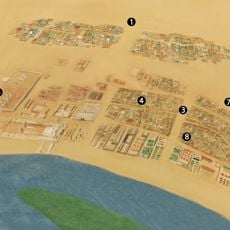
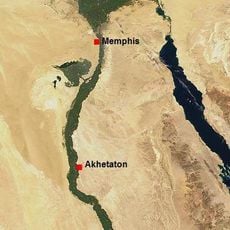
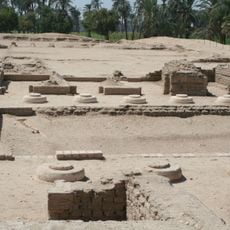
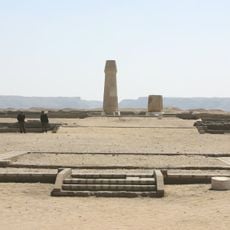
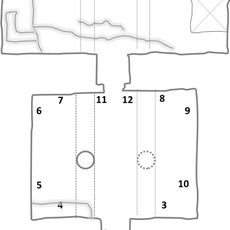
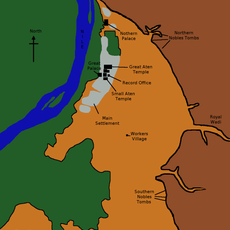
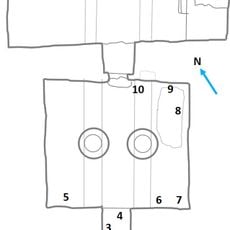
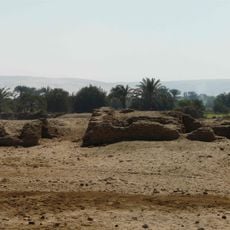
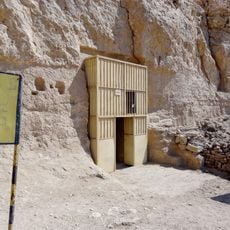
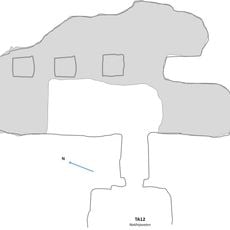
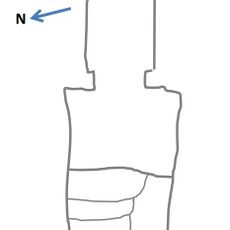
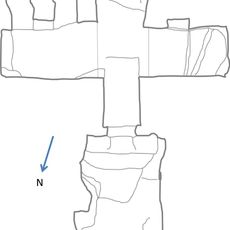
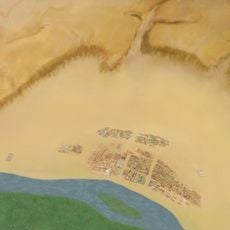
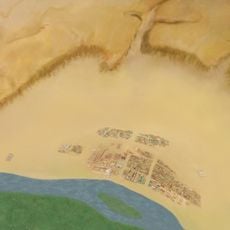
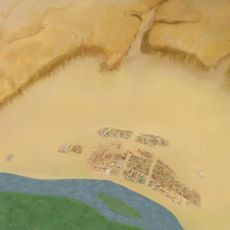
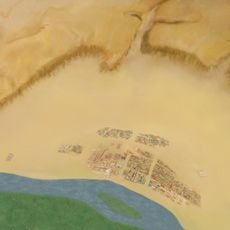
Akhetaton is an archaeological site in Upper Egypt where the ruins of a pharaoh's planned city spread across the eastern bank of the Nile, with temples, royal residences, and administrative buildings. The structures were built primarily from mud bricks, and several areas contain surviving wall paintings and carvings.
A pharaoh built this city around 1348 BCE as his new capital and abandoned it roughly 16 years later. The rapid desertion led to unusual preservation of the structures and writings from this era.
This place was the center of a religious revolution when Pharaoh Akhenaten promoted worship of the sun god Aton instead of traditional deities. Walking through the ruins, you can sense how the city's layout and remaining structures reflect this radical spiritual shift.
The site consists of several separate areas spread across the landscape, so planning your route ahead makes the visit easier. The terrain is open and exposed, so bring water, sun protection, and sturdy shoes for walking among the ruins.
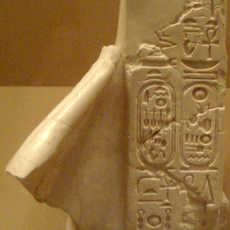
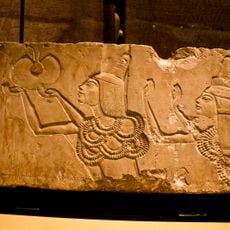
The wall carvings and paintings show artistic styles that differ noticeably from other Egyptian art periods, with more realistic depictions of people and animals. These visual differences are one reason why this place remains so valuable to archaeologists.
The community of curious travelers
AroundUs brings together thousands of curated places, local tips, and hidden gems, enriched daily by 92,729 contributors worldwide.