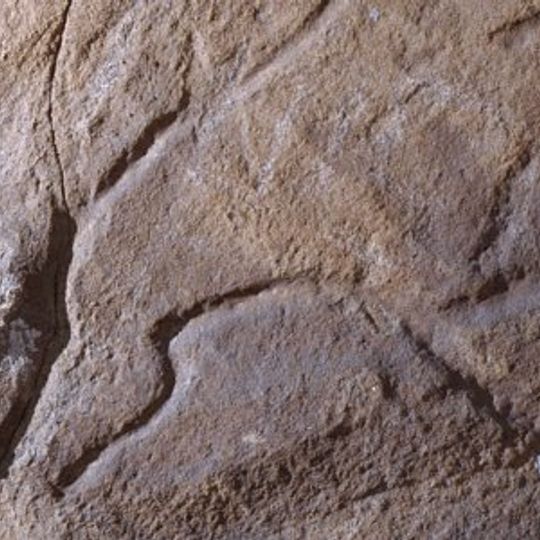
Cueva del Moro, Rock art cave in Tarifa, Spain
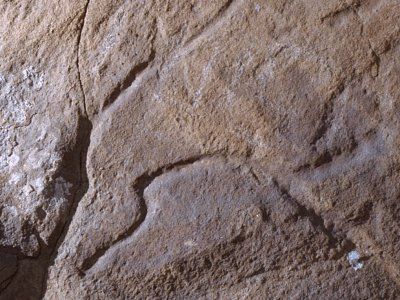
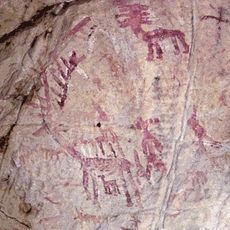
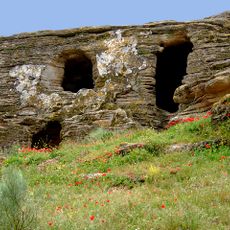
Cueva del Moro is a rock shelter near Tarifa decorated with Paleolithic engravings arranged across two distinct levels. The artwork features a detailed depiction of a pregnant mare approximately 103 centimeters long, created from marks made into the stone surface.
The site was discovered in 1994 by Lothar Bergmann and contains artwork dating back approximately 20,000 years. These works were made thousands of years before the renowned Altamira paintings, positioning this location as one of Europe's oldest artistic records.
The cave's name references the Moorish history of the region, though the rock art predates this era by millennia. Visitors can see how this ancient form of expression occupied a significant place in the lives of prehistoric communities.
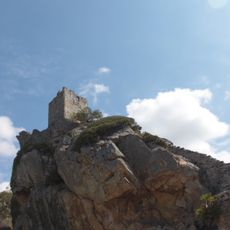
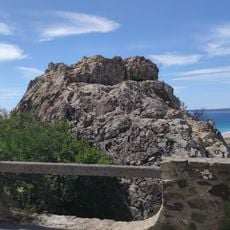
The cave sits roughly 40 meters high and requires advanced climbing skills to reach, so visitors should come well prepared for the ascent. Protective barriers are in place around the site to help preserve the delicate engravings from damage.
Red dots cover portions of the walls alongside animal depictions, forming the largest collection of this type in Cadiz province. This combination of dotted marks and naturalistic imagery offers clues about how prehistoric artists worked.
The community of curious travelers
AroundUs brings together thousands of curated places, local tips, and hidden gems, enriched daily by 90,790 contributors worldwide.