Camargue, Natural reserve in southern France
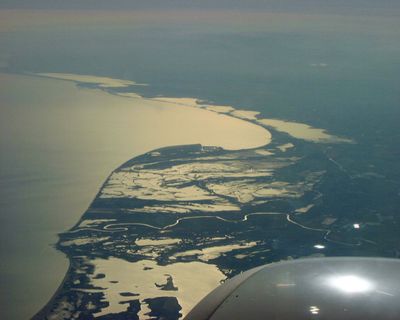
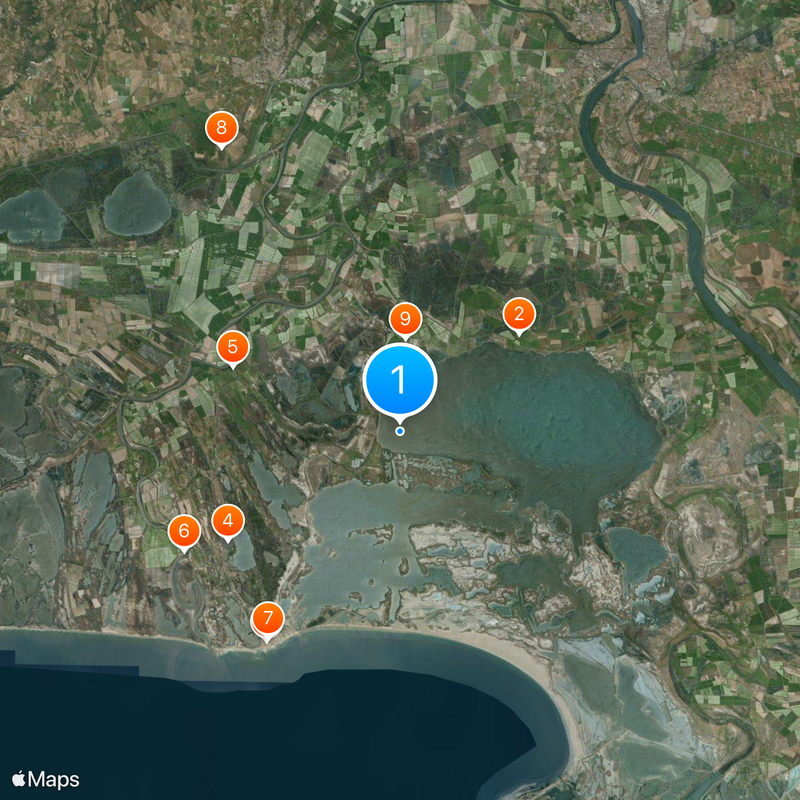
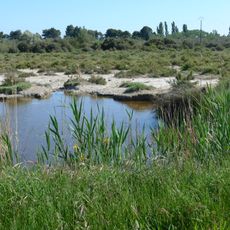
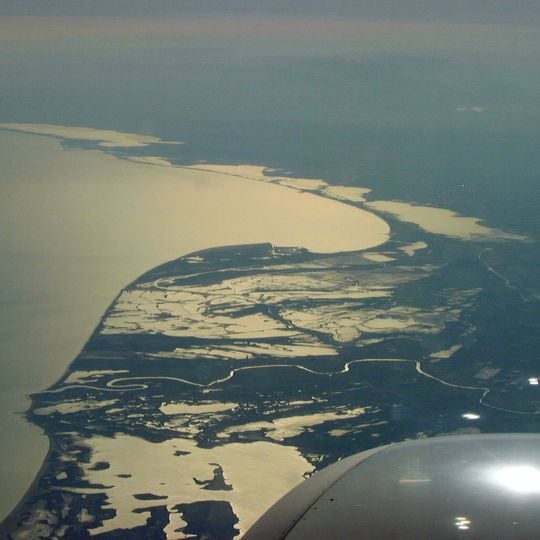
The Camargue is an extensive wetland in southern France between the Mediterranean Sea and the two arms of the Rhone delta. Shallow lagoons alternate with reed beds while salt meadows stretch to the horizon and are crossed by narrow channels.
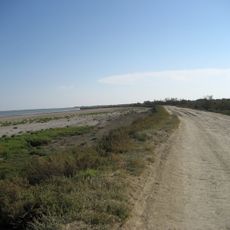
Monks laid out the first drainage ditches in the Middle Ages and thus created the foundation for later agricultural use. In the 19th century engineers began systematic dyke construction to protect the shifting delta from flooding and to gain usable land.
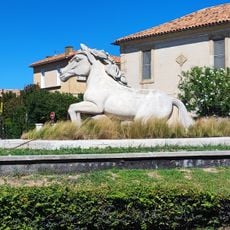
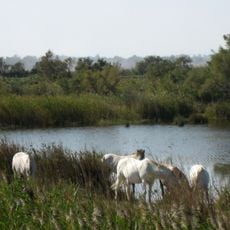
White horses graze freely here and have been adapted to the swampy terrain through selective breeding over centuries. Black bulls move in herds across the wet pastures and shape the image of this region just as much as the traditional huts of the cattle herders.
Several raised wooden walkways lead over the marshes and allow birdwatching without disturbing the sensitive vegetation. In summer visitors should bring sun protection and water as shade is scarce in the open areas.
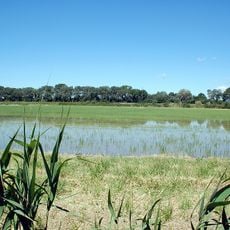
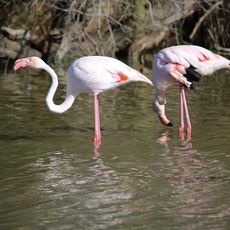
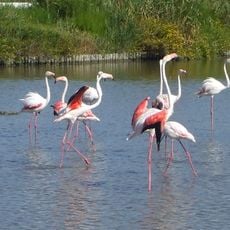
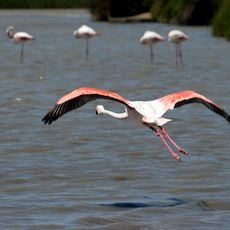
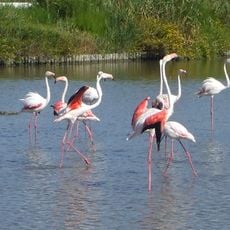
Here extensive rice fields grow next to natural salt basins and form an unusual combination of freshwater and saltwater ecosystems in a small space. Flamingos use the shallow waters as a stopover between Africa and Europe and turn entire shore zones pink in spring.
The community of curious travelers
AroundUs brings together thousands of curated places, local tips, and hidden gems, enriched daily by 92,566 contributors worldwide.