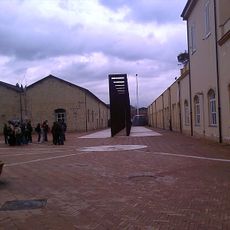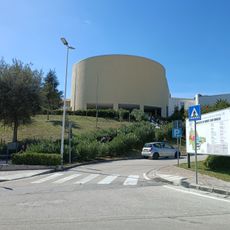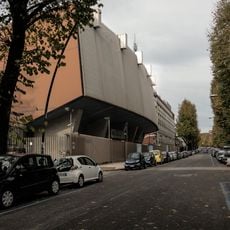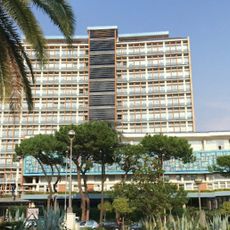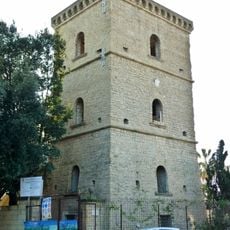
Vesuvius Observatory, Volcano observatory in Napoli, Italy.
Vesuvius Observatory is a research facility in Naples dedicated to monitoring volcanic activity across the Campania region. The institution employs seismic stations, GPS technology, and geochemical networks to track ground movements and gas emissions from Mount Vesuvius, the Phlegrean Fields, and Ischia.
Ferdinand II of Bourbon founded the observatory in 1841 as the world's first institution dedicated to monitoring volcanic activity. This pioneering establishment set the foundation for modern volcanology and continuous surveillance of hazardous volcanic regions.
The observatory maintains a museum containing scientific instruments and documents that demonstrate the evolution of volcanological research methods through generations.
The observatory sits on a hilltop overlooking southern Naples and the bay, making it somewhat elevated and requiring a bit of climbing to reach. Visitors should expect some steep pathways and set aside time to explore both the museum displays and outdoor areas.
In 1872, lava flows came dangerously close to the observatory building, isolating the research team for several days before access was restored. This event revealed how closely scientists worked near an active volcanic threat and how they maintained their monitoring duties even during such hazardous conditions.
The community of curious travelers
AroundUs brings together thousands of curated places, local tips, and hidden gems, enriched daily by 93,013 contributors worldwide.