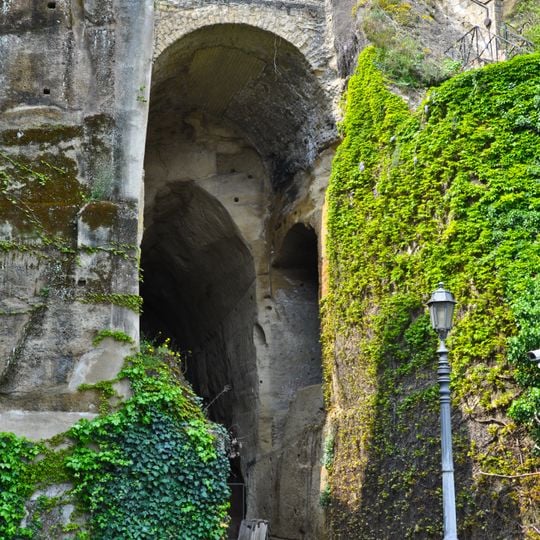
Crypta Neapolitana, Roman tunnel in Naples, Italy
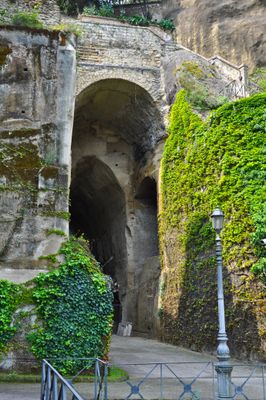
The Crypta Neapolitana is an underground passage running approximately 700 meters through the Posillipo hill and linking two districts of Naples. This tunnel was built as a practical road connection and remains visible today as part of the city's subterranean structure.
This tunnel was built in 37 BC by Roman architect Lucius Cocceius Auctus during a period of political tension and served as an important transportation route for centuries. It lost its primary function as a main road after modern tunnels were constructed in the early 20th century.
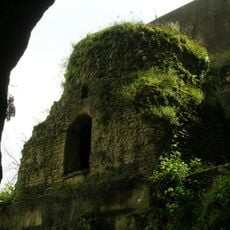
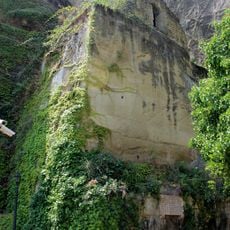
The tunnel entrance stands near a Roman columbarium that locals associate with the poet Virgil and his final resting place. This connection has shaped how residents view their ancient past and continues to inspire local pride in their classical heritage.
The tunnel is narrow and dark, so bringing a flashlight or headlamp helps you see the Roman stonework clearly. Sturdy shoes are essential because the ground is uneven and can be slippery in places.
During World War II, local residents used this ancient passage as shelter from air raids, and ammunition explosions left visible damage on the tunnel walls. Those scars remain today as silent records of how the community relied on this Roman structure for protection during the war.
The community of curious travelers
AroundUs brings together thousands of curated places, local tips, and hidden gems, enriched daily by 91,805 contributors worldwide.