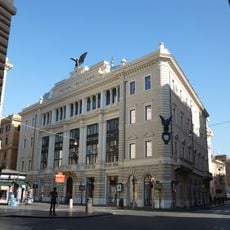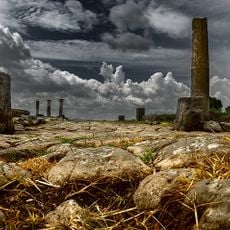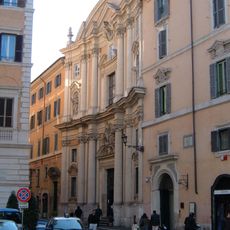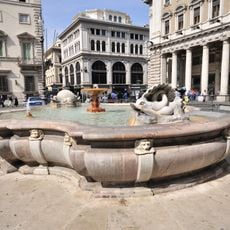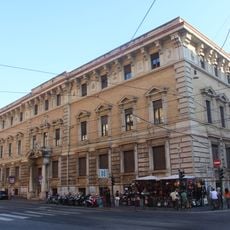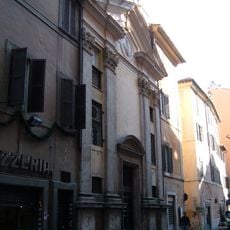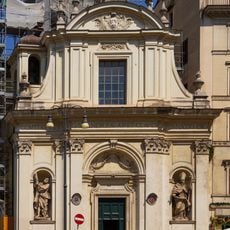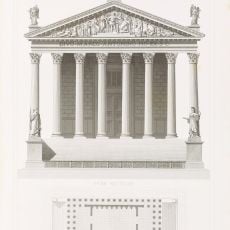
Arco di Portogallo, Archaeological site on Via del Corso, Rome, Italy.
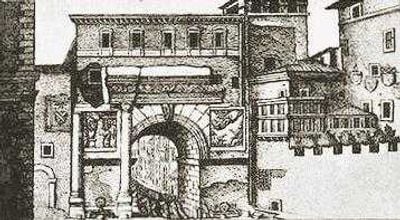
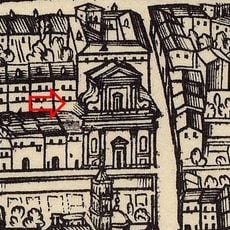
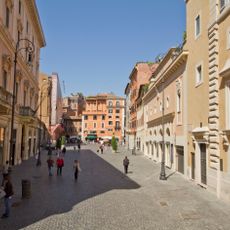
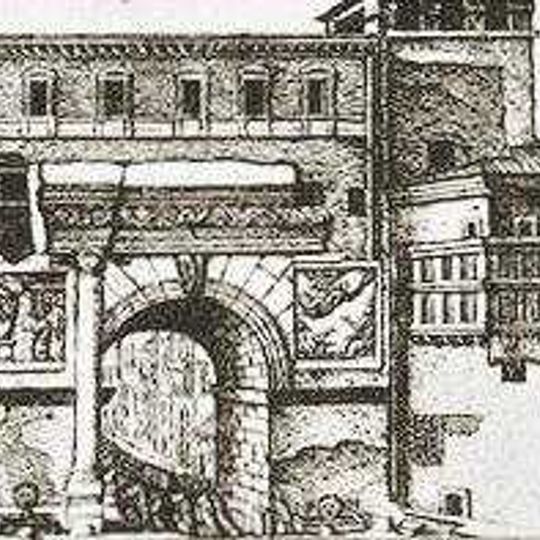
Arco di Portogallo is an ancient gateway on the Via del Corso in Rome, originally built as a single passageway framed by columns on both sides that crossed the main thoroughfare. The structure functioned as a symbolic marker in the urban landscape of central Rome.
Built in late antiquity, possibly under Emperor Aurelian between 270 and 275 CE, the gateway incorporated sculptured panels from the earlier era of Emperor Hadrian. This practice reflects how Romans reused and repurposed art from previous generations into their constructions.
The reliefs displayed scenes of Emperor Hadrian distributing food to Roman children and the apotheosis of his wife Vibia Sabina.
The main sculptured reliefs from the original gateway are now displayed at the Palazzo dei Conservatori in the Capitoline Museums collection. This allows visitors to examine these ancient artworks in detail while on a museum visit to that location.
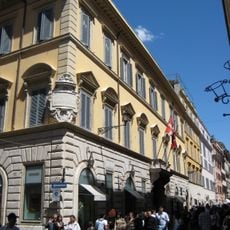
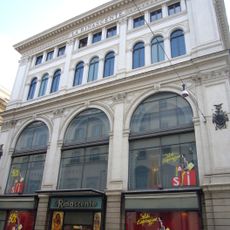
The foundation stone of one support pillar lies approximately 2.4 meters below the current street level and remains hidden beneath the Palazzo Peretti-Fiano building. This striking depth reveals how much the ground level of Rome has changed since ancient times.
The community of curious travelers
AroundUs brings together thousands of curated places, local tips, and hidden gems, enriched daily by 91,102 contributors worldwide.