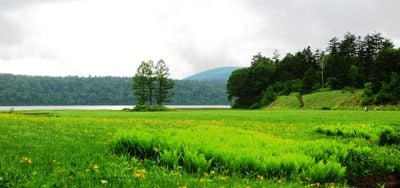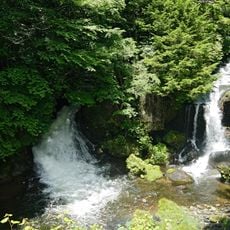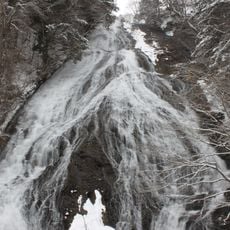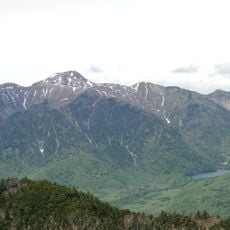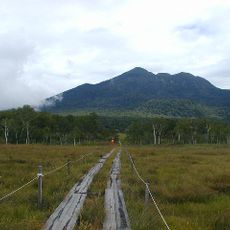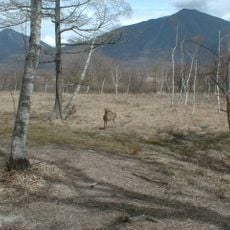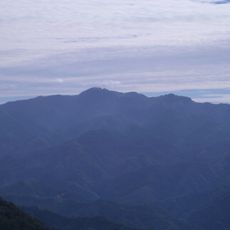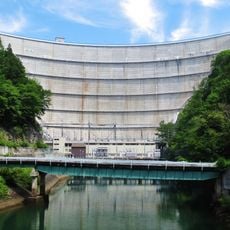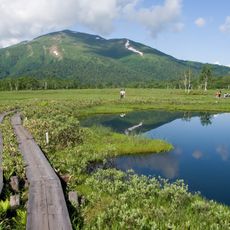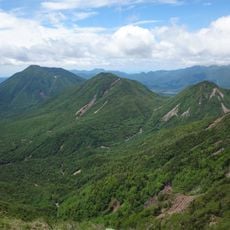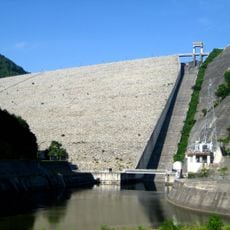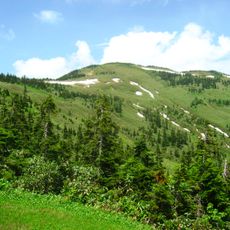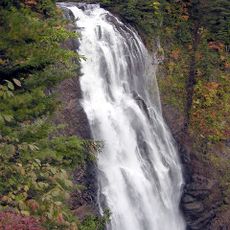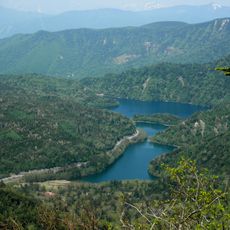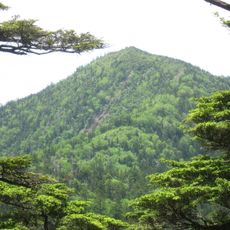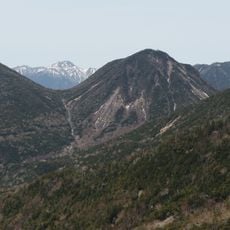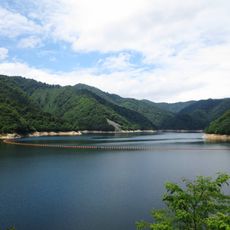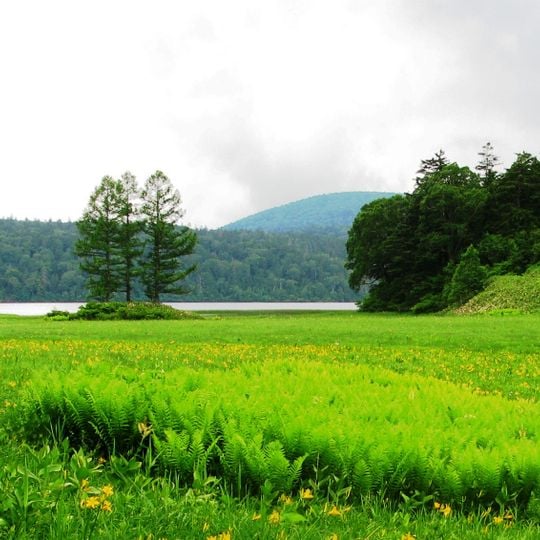
Ōe Marsh, Raised bog in Hinoemata, Japan.
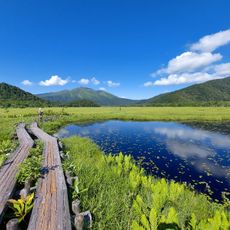
Ōe Marsh is a raised bog in Hinoemata featuring waterlogged peat soil where specialized plants like sphagnum mosses and hardy shrubs thrive in acidic conditions. The landscape shifts between open water areas, moss-covered patches, and dense vegetation that creates a complex ecosystem.
The bog formed several thousand years ago as water accumulated in depressions and sphagnum mosses grew slowly over time. Over the centuries a thick peat layer developed, creating a record of past climate and environmental conditions.
The Ministry of Environment involves local communities in regular data collection and monitoring activities to maintain the ecological balance of this protected wetland system.
Wooden boardwalks and marked paths allow visitors to explore the bog without damaging the fragile ecosystem. The best time to visit is late spring through early autumn when the paths are accessible and plant growth is most active.
The bog stores millions of tons of carbon locked in its peat layer and helps regulate regional water cycles naturally. This storage capacity makes the ecosystem an important natural resource that influences the surrounding area.
The community of curious travelers
AroundUs brings together thousands of curated places, local tips, and hidden gems, enriched daily by 92,718 contributors worldwide.