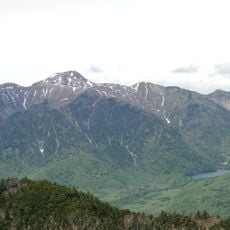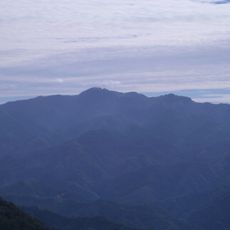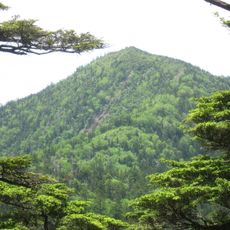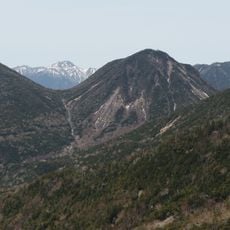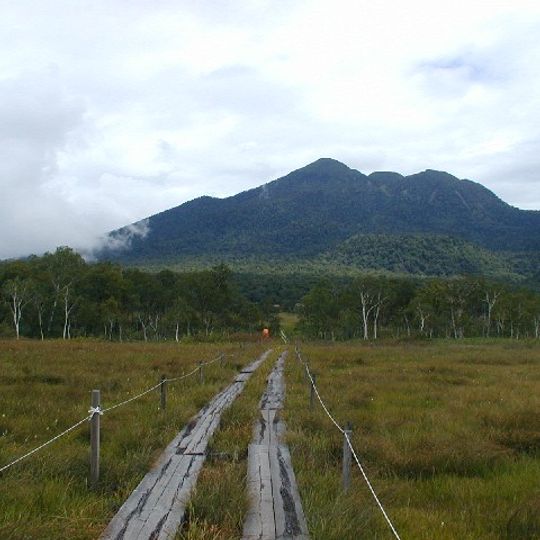
Mount Hiuchigatake, Stratovolcano in Oze National Park, Fukushima Prefecture, Japan
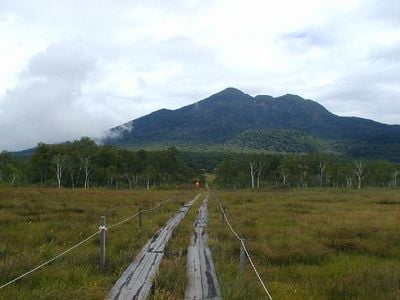
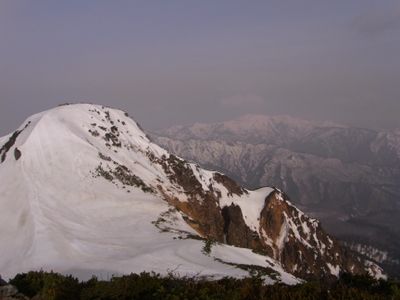
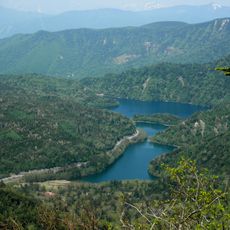
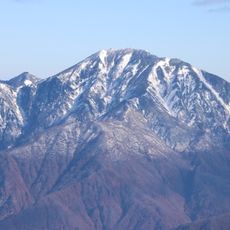
Mount Hiuchigatake is a stratovolcano in Oze National Park, Fukushima Prefecture, Japan, reaching an elevation of 2,356 meters (7,730 feet) and built from andesite rock. Two lava dome formations called Akanagure and Mi-ike shape the summit zone and define the appearance of the peak.
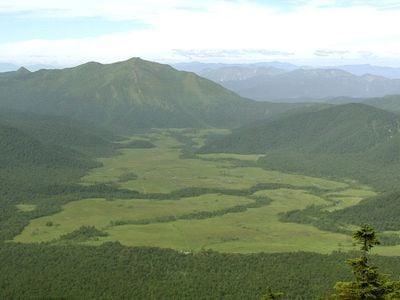
A phreatic eruption occurred on July 28, 1544 at the Mi-ike lava dome, causing mudflows and ash deposits across the area. This volcanic activity once dammed a stream and shaped the Ozegahara high-altitude moor over more than 6,000 years.
Mount Hiuchigatake stands among the 100 Famous Japanese Mountains, drawing numerous visitors to its slopes throughout the hiking seasons each year.
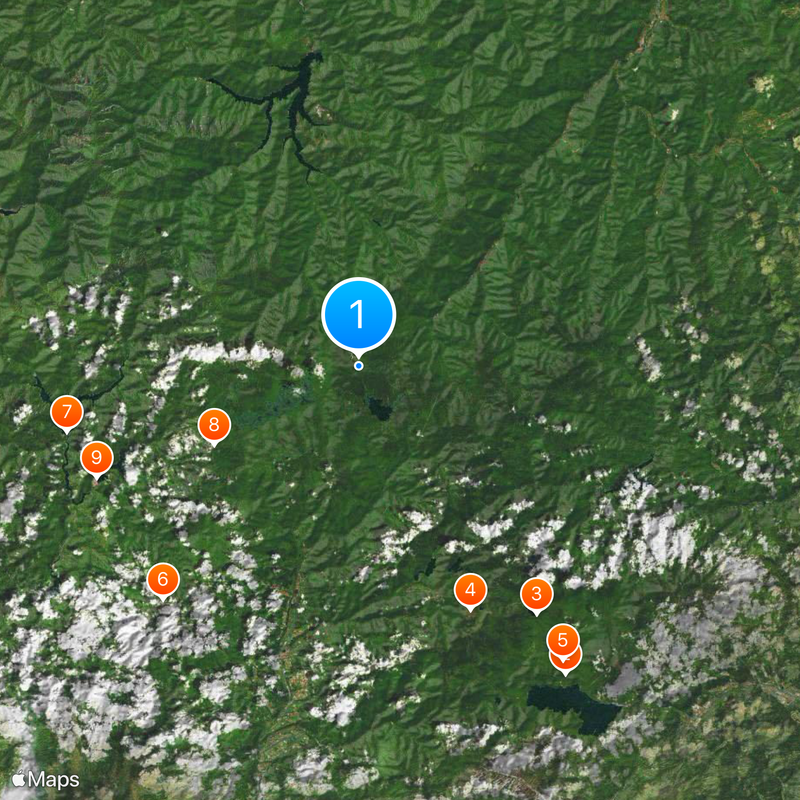
The hiking trail from Numayama-toge measures 13.4 kilometers and takes around six hours for the round trip to the summit and back. Hikers should start early and watch the weather, as conditions can shift quickly on a volcano peak.
The earlier eruptive activity at the summit created a natural dam that later gave rise to the Ozegahara high-altitude moor. This process took several millennia and formed one of Japan's largest moorland areas.
The community of curious travelers
AroundUs brings together thousands of curated places, local tips, and hidden gems, enriched daily by 60,000 contributors worldwide.