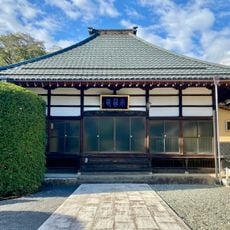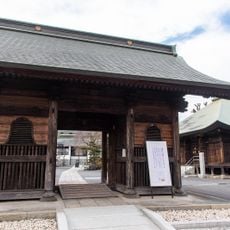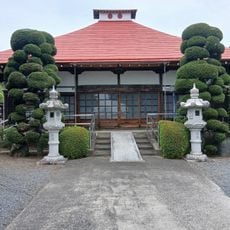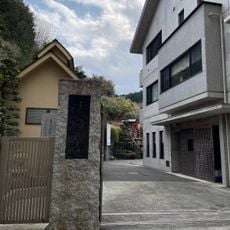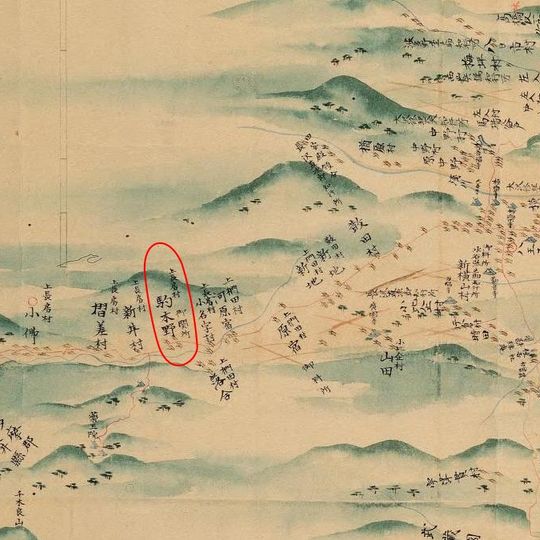
Kobotoke no Seki, Feudal checkpoint in Urakakkocho, Japan
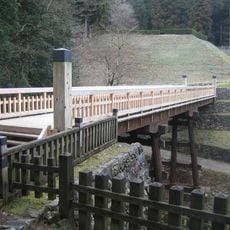
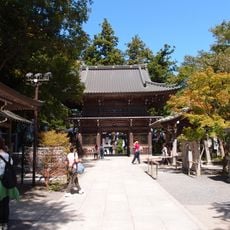
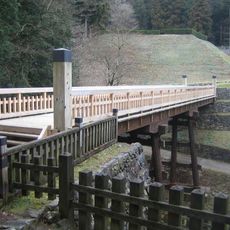
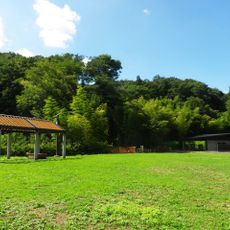
Kobotoke no Seki is a historic sekisho, a road checkpoint, set at the Kobotoke Pass in the forested hills west of Tokyo along the old Koshu Kaido highway. The site sits on a narrow mountain path where the terrain naturally funneled travelers through a single controlled point.
The checkpoint was set up in the late 16th century as the Tokugawa shogunate sought to control movement along the main roads connecting the capital to the western provinces. It stayed in use for roughly two and a half centuries until the shogunate fell in the mid-19th century and the post was no longer needed.
At Kobotoke no Seki, travelers were required to show travel documents before crossing the pass, a practice that shaped how ordinary people moved through the region. Those without the right papers were turned back, which made the checkpoint a powerful presence in daily life along the Koshu Road.
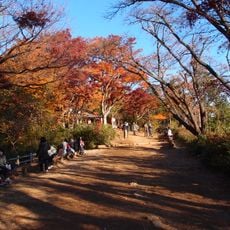
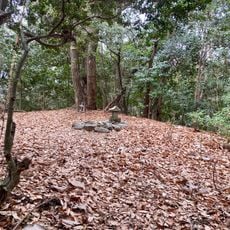
The site is reached on foot along a hiking path through wooded hills, and information boards at the location explain its past role. Sturdy footwear is a good idea since the trail involves some uneven ground and moderate slopes.
Women were subject to especially strict checks at mountain pass checkpoints like this one, as the shogunate was concerned about them leaving the capital region without permission. The mountain setting made it nearly impossible to find an alternate route, so the pass effectively became a gate with no way around it.
The community of curious travelers
AroundUs brings together thousands of curated places, local tips, and hidden gems, enriched daily by 91,562 contributors worldwide.