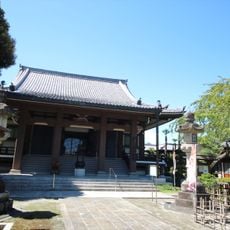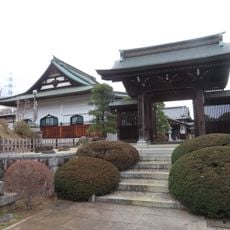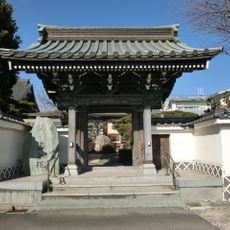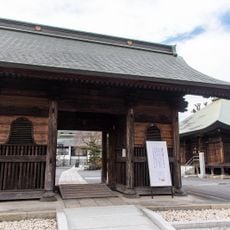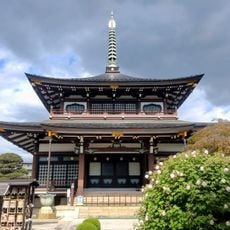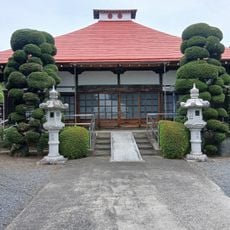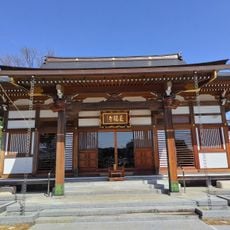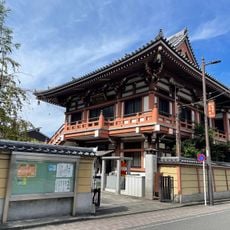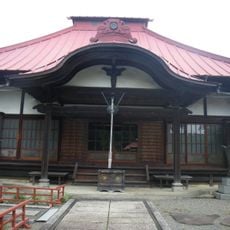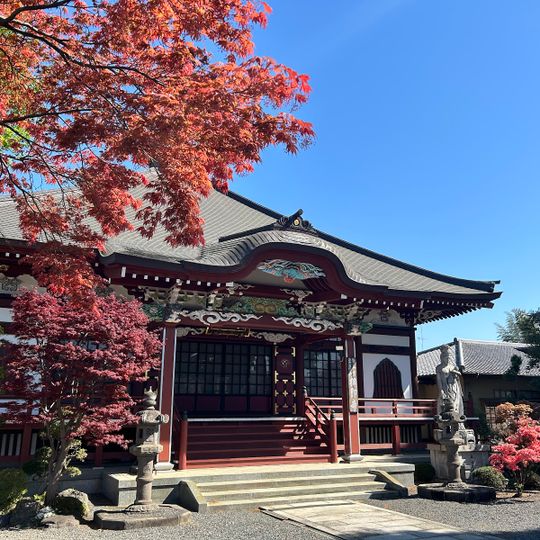
Sōsoku-ji, Buddhist temple in Hachioji, Japan.
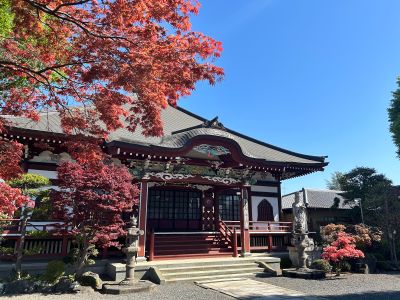
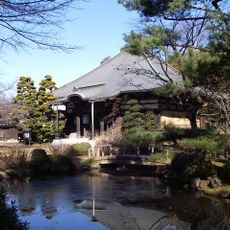
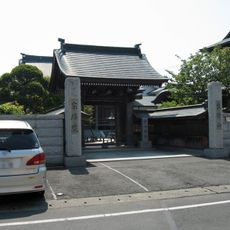
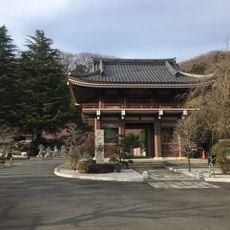
Sōsoku-ji is a Jōdo-shū Buddhist temple in Izumi-machi, Hachioji. Its Enmeikaku Jizō-dō hall houses a 1.9-metre bronze seated Jizō Bodhisattva, cast in 1776 by the sculptor Tanaka Harima Yoshitomo and the caster Katō Jinzaemon. The temple was founded in 1546 by Ninyo Teian and served as a guardian against the demon gate of Hachioji Castle.
Sōsoku-ji was founded in 1546 by Ninyo Teian, a Jōdo (Pure Land) sect temple. In 1648 it received a vermilion-seal charter from the third shogun Tokugawa Iemitsu; charters from the 4th, 5th and 7th to 11th shoguns also survive. In 1771 the Enmeikaku Jizō hall was built, burying and enshrining 283 heads of those killed in the Hachioji Castle battle.
The temple is known for its rakusukan jizō, a small statue given a school backpack by a mother whose nine-year-old son was killed by machine-gun fire on 8 July 1945 while evacuated from Shinagawa. The story inspired children's books by Kazuko Koseko in 1979 and 1980. The statue is shown on 23 June, 8 July and 8 August each year.
The site is located about one hour from central Tokyo and is easily reached from Hachioji Station by foot or local transport. Visitors should wear comfortable shoes and allow time to walk through the different areas at a leisurely pace.
The temple's best-known figure is the Randoseru Jizō, a small statue given a school backpack after a nine-year-old evacuee from Shinagawa was killed by aircraft fire on 8 July 1945; his mother saw a resemblance to her son. It is shown on 23 June, 8 July and 8 August, and inspired Kazuko Koseko's 1979 and 1980 children's books.
The community of curious travelers
AroundUs brings together thousands of curated places, local tips, and hidden gems, enriched daily by 94,458 contributors worldwide.