帝塚山古墳, Ancient tomb in Sakai, Japan
Tezukayama is an ancient burial mound with a distinctive keyhole shape when viewed from above, consisting of a circular section connected to a rectangular platform. The structure spans a significant expanse and demonstrates the elaborate design of these burial mounds from ancient times.
The mound was built during the Kofun period between 250 and 538 AD, an era marking the emergence of centralized political authority in ancient Japan. These monumental structures represent a time when power concentrated and enabled large-scale construction projects.
The site was decorated with haniwa terracotta figures placed around its perimeter to mark sacred boundaries. These clay objects show how rituals and protective practices were central to burial customs of that era.
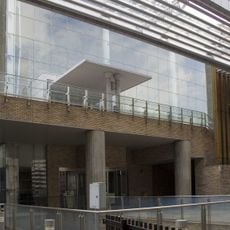
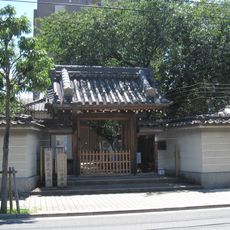
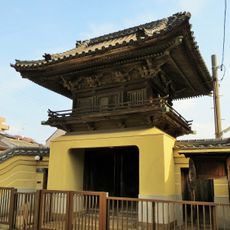
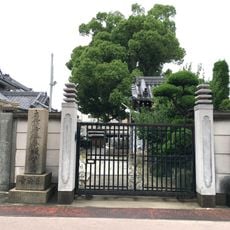
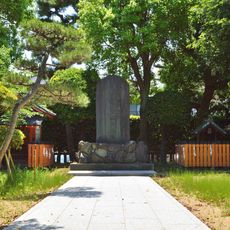
The site is not open to public access, but visitors can view its outer structure from surrounding areas and learn more about its design at a nearby information center. It helps to check in advance which paths around the perimeter are open and when the center operates.
Archaeological research reveals that constructing this massive earthen structure required coordinated labor from thousands of workers spread over several years. The scale of work shows how important this burial site was to early Japanese rulers.
The community of curious travelers
AroundUs brings together thousands of curated places, local tips, and hidden gems, enriched daily by 91,478 contributors worldwide.