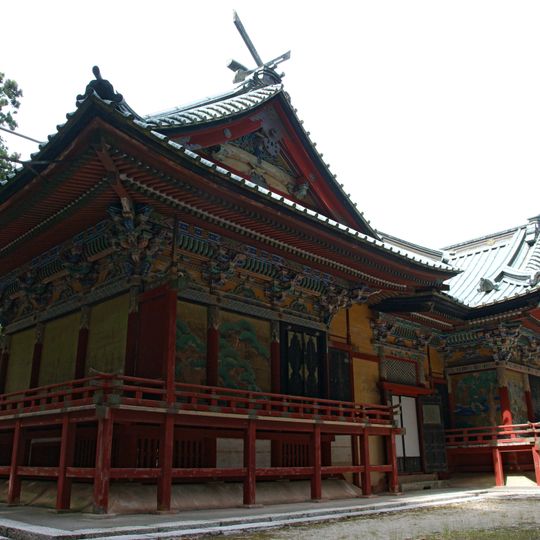
Hiyoshi Tōshō-gū, Shinto shrine in Sakamoto, Japan
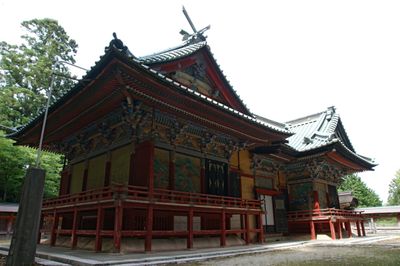
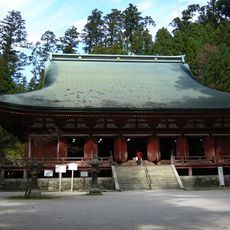
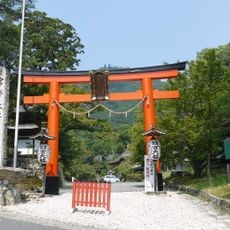
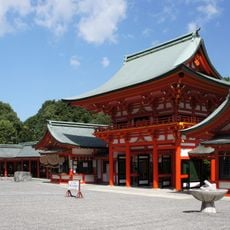
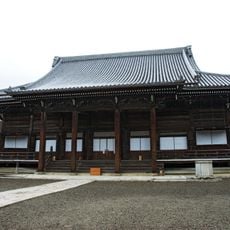
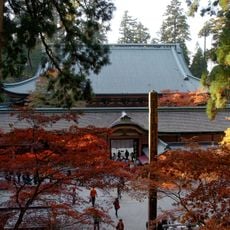
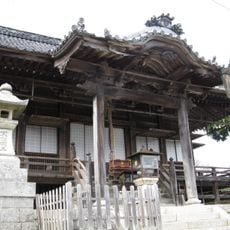
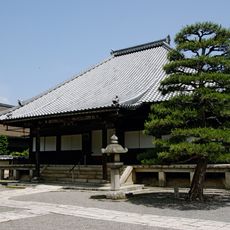
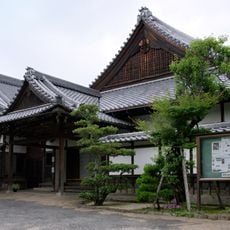
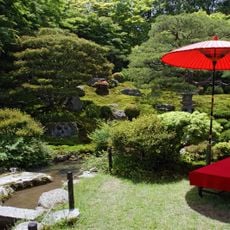
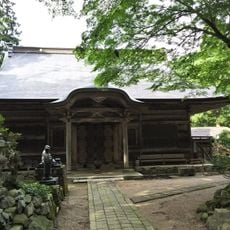
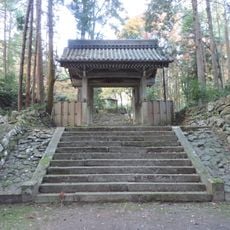
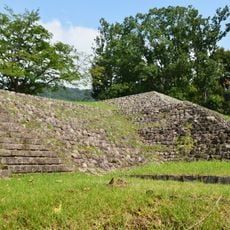
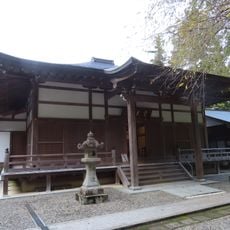
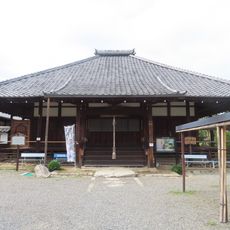
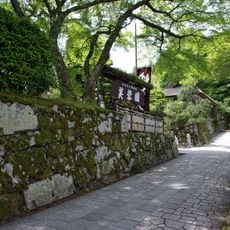
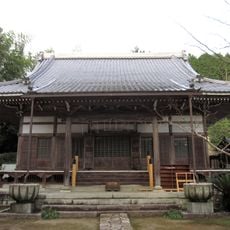
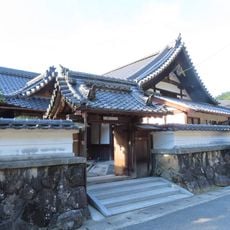
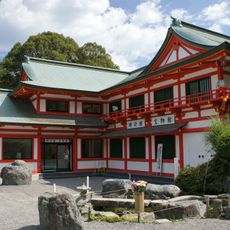
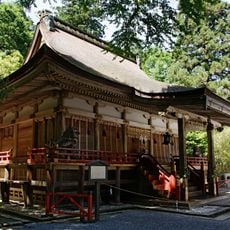
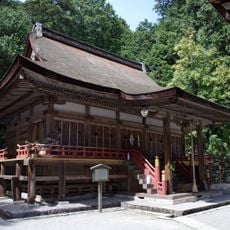
Hiyoshi Tōshō-gū is a Shinto shrine in Sakamoto located near Lake Biwa, built with East Asian hip-and-gable roofs and incorporating Ishi-no-ma-zukuri construction principles. The complex displays traditional Japanese architectural techniques throughout its buildings and grounds on this mountainous site.
Buddhist monk Tenkai founded this shrine in 1623 to commemorate Tokugawa Ieyasu, who established the Tokugawa shogunate. This act of devotion became a key moment in securing the family's spiritual authority across the nation.
This shrine honors Tokugawa Ieyasu, and visitors come to experience the spatial arrangement of its main halls, which mirror the pattern of the Big Dipper constellation in the sky. The design choice reflects ancient Japanese beliefs about connecting earthly structures to celestial order.
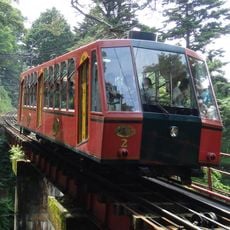
The shrine is reachable on foot from Sakamoto-hieizanguchi Station or accessible by the Sakamoto Cable Car, allowing visitors to choose their preferred access route. Comfortable walking shoes are recommended since the terrain is hilly.
This shrine served as the blueprint for the later construction of Nikkō Tōshō-gū, sometimes earning it the description Kansai's counterpart to that more famous site. The earlier foundation demonstrates how architectural concepts were transmitted between sacred locations.
The community of curious travelers
AroundUs brings together thousands of curated places, local tips, and hidden gems, enriched daily by 91,679 contributors worldwide.