Former Nate-juku Honjin, Former honjin inn in Kinokawa, Japan
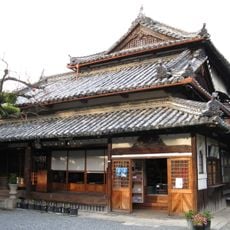
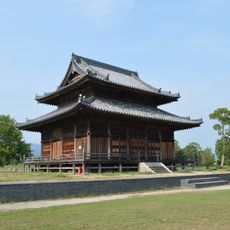
The Former Nate-juku Honjin is a walled Edo-period honjin complex measuring about 40 m east-west by 80 m north-south on the Yamato Kaidō in Kinokawa. Its main building combines a residential section built in 1718 with a guest hall added in 1746, both irimoya-style with tiled roofs. Two earthen kura storehouses and two government offices stand within the grounds.
The Imose family, local samurai, were appointed headmen and magistrates over the post station in 1630 and built the honjin on the Yamato Kaidō, the route used by the daimyō of Kishū Domain. The original structure burned down and was rebuilt in 1714; the main residence dates from 1718 and its guest rooms from 1746. The complex measures about 40 m east-west by 80 m north-south.
This complex served as a lodging place where feudal lords and high officials stayed during their travels along important routes. The layout and furnishings reveal how these visits shaped the local economy and social order of the time.
The site is accessible on foot from the nearby train station and operates as a museum where visitors can see historical objects and the original room arrangements. Plan to spend adequate time exploring all areas of the complex and viewing the exhibits displayed throughout the buildings.
The two kura storehouses carry ridge tags (munafuda) dated to the Kan'ei era (1624–1644), which is why they are thought to have survived the 1714 fire that destroyed the rest of the complex. The main building's residential wing dates from 1718 and its guest hall from 1746.
The community of curious travelers
AroundUs brings together thousands of curated places, local tips, and hidden gems, enriched daily by 93,674 contributors worldwide.