Meiji-ji, Buddhist temple in Nakano, Japan
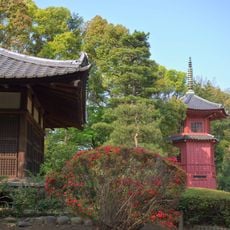
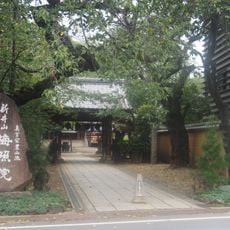
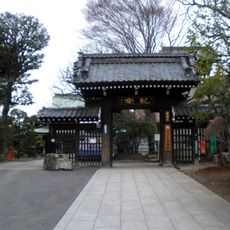
Meiji-ji is a Shingon-shū Tōji-ha temple at 2-28-20 Numabukuro, Nakano, with the mountain name Shin Fudaraku-san and the cloister name Sezon-in. Its precinct holds a main hall completed in 1917 and a tahōtō serving as an eternal memorial grave, while part of the grounds is leased to the ward and open as Hyakkannon Park. More than 180 Kannon statues stand in the precinct.
Meiji-ji began in 1912 (Meiji 45), when the nun Eishō had a stone Kannon statue carved to pray for Emperor Meiji's recovery; he died before its eyes were opened, and the consecration rite was held in 1912 (Taishō 1) for his repose. A campaign then gathered support from politicians, financiers and ordinary people, and by 1916 copies of the hundred Kannon pilgrimage sites of Saigoku, Bandō and Chichibu had been installed. The main hall was completed in 1917, and the name Meiji-ji was granted in 1936.
Meiji-ji's name was only granted in 1936, long after the temple began as a Kannon hall. Each year on the last Sunday of July the temple holds a lantern offering (Kentōkai): visitors buy a light and place it before one of the stone Kannon figures, and proceeds go to UNICEF and similar causes. Gamelan music and dance are performed in the park area while a goma fire ritual is held in the main hall.
Meiji-ji is a four-minute walk from Numabukuro Station on the Seibu Shinjuku Line, at 2-28-20 Numabukuro, Nakano. The grounds open from 6 a.m. to 6 p.m. Part of the precinct is leased to the ward and open as Hyakkannon Park, so the stone images can be viewed in the park area as well as around the main hall.
The Kannon statues are said to change in number each time they are counted, because they leave the grounds to bring salvation elsewhere. By 1923 the precinct held one hundred images; today there are more than 180, and the count still shifts.
The community of curious travelers
AroundUs brings together thousands of curated places, local tips, and hidden gems, enriched daily by 93,380 contributors worldwide.